
Understanding the Moroccan Sahara Conflict
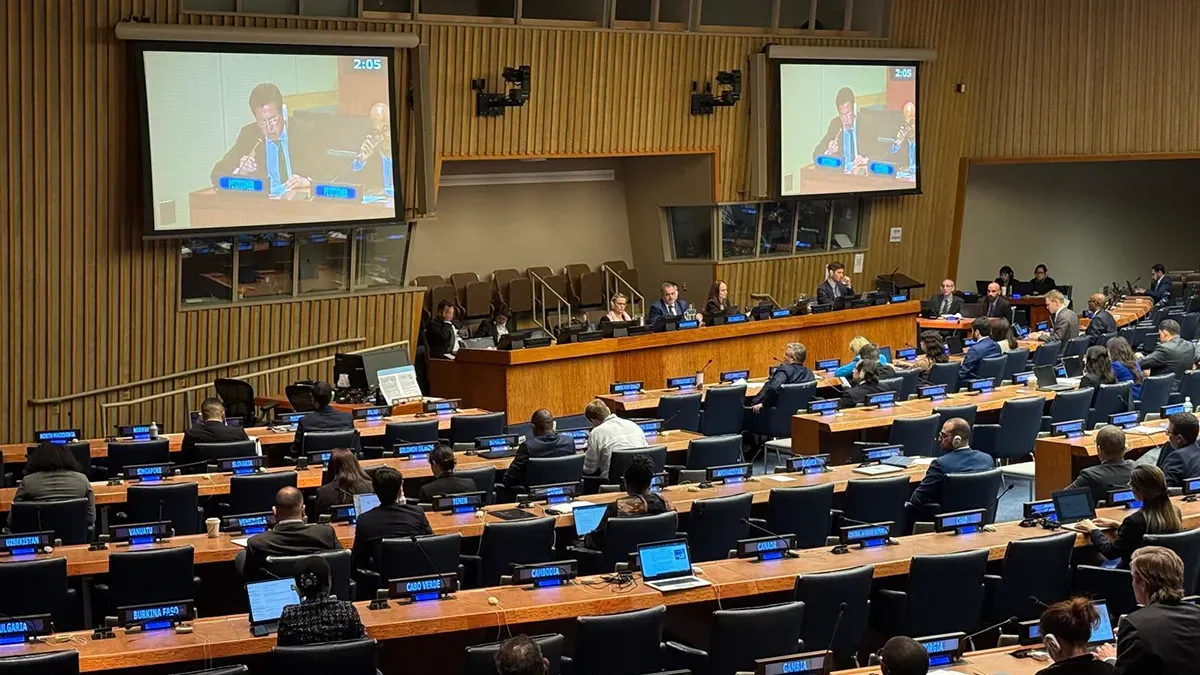
In a recent address, Mr. Miguel Ángel Rodríguez Mackay, the former Minister of Foreign Affairs of Peru and a distinguished Professor of International Law, underscored the pressing need for resolution in the ongoing regional dispute over the Moroccan Sahara. He articulated that the world is currently navigating through significant transformations, and the ongoing conflicts only serve to endanger peace, security, and development on a global scale. The conflict, which initially arose from a legitimate quest for territorial integrity, has unfortunately evolved into an artificial confrontation that Algeria is attempting to exploit in a futile effort to push its hegemonic agenda across North Africa, the Sahel, and the broader African continent. This assertion lays bare the complexities surrounding the issue, highlighting Algeria's attempts at manipulation and the international community's awareness of these tactics.
Rodríguez Mackay pointedly remarked on Algeria’s need to recognize that the international community is not deceived by its actions, which include political blackmail aimed at coercing nations to withdraw their recognition of Morocco’s sovereignty over the Sahara. He characterized this behavior as a form of political immorality that undermines the legitimacy of Algeria’s position. The year 2025 marked a pivotal moment, as a substantial majority of the international community endorsed the Autonomy Plan under Moroccan sovereignty as the sole viable political resolution to the Sahara dispute. Notably, Peru’s new government also pledged its support for this plan, which received validation from the UN Security Council, positioning it as the exclusive framework for resuming political dialogue aimed at defining the implementation modalities.
The Path Forward for Algeria and Morocco
In his address, Rodríguez Mackay emphasized the inalienable responsibilities that Algeria bears in this matter, urging the nation to engage in direct negotiations with Morocco to reach a conclusive resolution within the UN framework. He highlighted that this obligation extends beyond mere politics, encompassing both a legal and moral imperative. The Polisario Front, which has found itself increasingly marginalized and facing disintegration, represents an outdated ideology that fails to align with the present-day realities. Its stance, along with that of Algeria, has become antiquated, overshadowed by the undeniable reality of Morocco’s sovereignty and the framework proposed by the UN in Resolution 2797, which calls for a definitive political solution grounded in the Autonomy Plan.
Rodríguez Mackay’s appeal to the members of the Honorable Commission reflects a deep desire for wisdom and sound judgment in urging Algeria to earnestly pursue negotiations with Morocco. He emphasized the necessity of concluding a dispute that has persisted for over fifty years, during which Algeria and the Polisario have fostered discord and division, challenging Morocco’s territorial integrity. The time has come to embrace a new chapter that aligns with Resolution 2797, which acknowledges the autonomy plan for the Sahara under Morocco's full sovereignty—a recognition that Algeria is aware of and one that Africa anticipates from its leadership. This call to action is not merely political; it is a moral and ethical obligation to foster peace and stability in the region.
As reported by atalayar.com.