
Understanding the Ceuta Crisis: A Clash of Borders and Ideologies
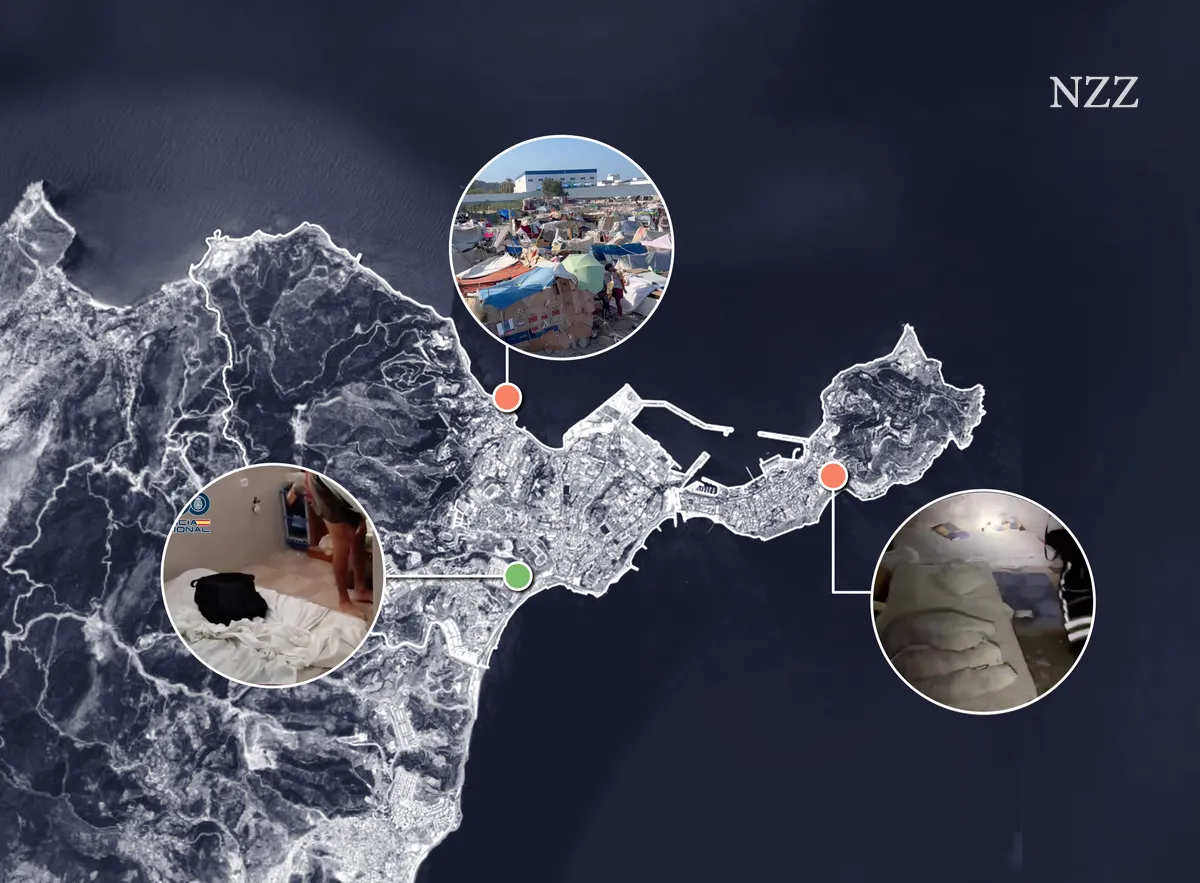
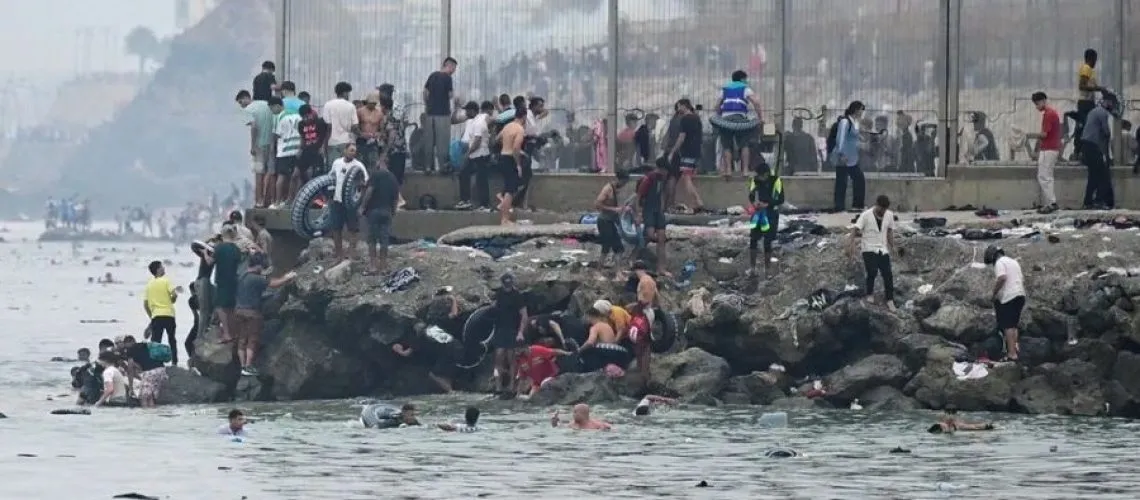
In a startling development, nearly 60,000 migrants from Morocco crossed into the Spanish enclave of Ceuta within a single week, reigniting a long-standing territorial dispute between the two nations and highlighting the fragile geopolitical dynamics on Europe’s southern border. This surge not only overwhelmed the local infrastructure but also exposed the inherent vulnerabilities in the region's socio-political fabric. For the Catholic community, this crisis transcends mere geopolitical analysis; it underscores a profound moral dilemma regarding the dignity and humanity of migrants, who are viewed as beings created in God's image.
The Catholic Church has advocated for the protection of these vulnerable individuals, urging authorities to approach the crisis with compassion while also emphasizing the importance of maintaining order and public safety. Pope Leo XIV has publicly voiced his concern for those affected in Ceuta, invoking the intercession of Our Lady of Africa in his prayers for peace and justice. This situation presents a complex moral quandary: how can the needs and dignity of migrants be safeguarded without allowing the desperation of human lives to be exploited for geopolitical leverage? Thus, the crisis extends beyond a simple migration issue; it encapsulates a multifaceted humanitarian emergency.
Geopolitical Implications and the Nature of the Crisis
From a geopolitical perspective, the influx of migrants is perceived not merely as an act of humanitarian urgency but as a strategic maneuver by Morocco to exert pressure on Spain. The dynamics at play reveal a sophisticated information operation, where the actions taken by Moroccan authorities, such as loosening border controls, are seen as calculated steps to leverage human movement as a tool of statecraft. This tactic, often termed 'migration instrumentalization,' illustrates a novel form of hybrid warfare that allows nations to advance their diplomatic agendas without engaging in traditional military conflict.
Central to this crisis are two nations with a complex and adversarial history: Spain, a predominantly Catholic country under the leadership of Prime Minister Pedro Sánchez, and Morocco, a constitutional monarchy led by King Mohammed VI. The ideological rift between these two leaders is palpable, with Sánchez positioning himself as a pro-immigration advocate, much to the dismay of more conservative factions both domestically and internationally. In stark contrast, Morocco has sought to align itself with the United States and Israel following the Abraham Accords, which have shifted the geopolitical landscape in North Africa and the Middle East. The implications of this alignment are significant, as Spain's increasingly critical stance towards Israel and its recognition of Palestinian statehood have strained its relations with these influential allies.
The immediate catalyst for the crisis was the unprecedented arrival of migrants into Ceuta, a territory with a population of approximately 84,000. The local government declared a humanitarian emergency as the enclave's resources were stretched beyond capacity, leading to tragic outcomes, including the deaths of at least 67 migrants who perished in their attempts to cross into the city. This dire situation reflects not only the pressing humanitarian needs but also the geopolitical chess game unfolding between Spain and Morocco, where each side seeks to control the narrative and perception of the crisis.
The crisis has also been characterized by the emergence of conspiracy theories, suggesting a coordinated effort between Morocco, the United States, and Israel, aimed at retaliating against Spain's diplomatic overtures to Algeria. Whether such theories hold any truth or are mere reflections of political paranoia, they illustrate the deep-seated fears and suspicions that permeate the discourse surrounding the migrant surge. As the situation continues to evolve, the international community must grapple with the reality that the Ceuta crisis is emblematic of broader geopolitical tensions, serving as a reminder of the complexities at the intersection of migration, sovereignty, and human rights.
As reported by catholicstand.com.