
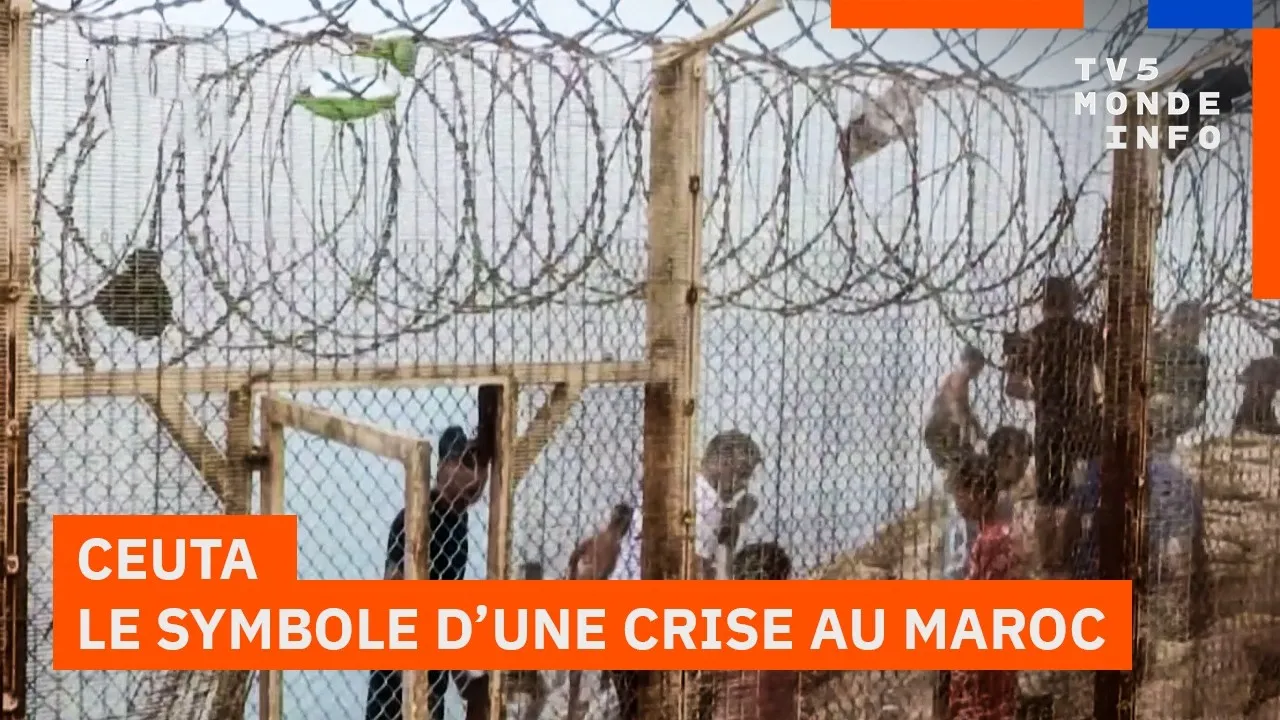

The Ceuta Crisis: Disillusionment Among Moroccan Youth
In recent days, Ceuta has emerged as a focal point for political discussions in Europe, simultaneously highlighting the social conditions in Morocco. Mehdi Alioua, an associate professor, articulates a sentiment that resonates deeply among many young Moroccans, stating, "Many young people in Morocco no longer believe in the opportunities available to them." This sentiment stems from a perceived disconnect between economic growth and social development, where the lack of a robust social safety net exacerbates feelings of hopelessness among the youth. In Alioua's analysis, he emphasizes that economic development alone does not equate to social progress. The absence of dignified work, fair wages, and essential social security leaves many feeling marginalized. Consequently, this climate drives a desire among young individuals to seek opportunities abroad, as they perceive little hope for improvement in their home country.
As political leaders in Europe leverage the situation in Ceuta for their agendas, it becomes essential to recognize the underlying social issues that propel migration. The ongoing crisis is not merely a political maneuver but a reflection of the dire circumstances that compel individuals to leave their homeland in search of better prospects. This complex interplay between migration and socio-economic challenges in Morocco calls for a comprehensive examination and a nuanced understanding of the factors at play.
As reported by youtube.com.
