
The Ceuta Migration Crisis: A Catalyst for Resurgent Anti-Moroccan Sentiments in Spain
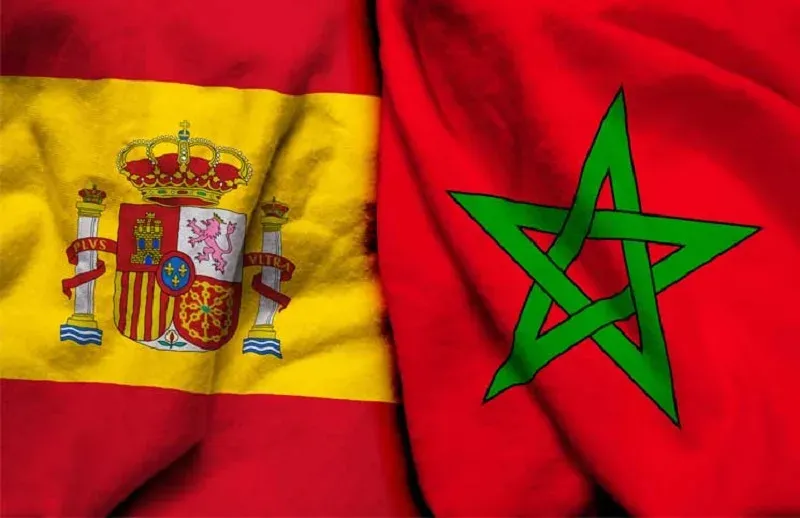
The recent migration crisis in Ceuta, a Spanish enclave bordering Morocco, has ignited a resurgence of anti-Moroccan rhetoric within Spanish political and media circles. This backlash, however, is not merely a reaction to the immediate events but rather a manifestation of deep-seated historical grievances and nationalistic sentiments that have long been woven into the fabric of Spanish identity. The hostile narrative surrounding Moroccan migrants has evolved from a spontaneous response to a more entrenched antagonism, highlighting an ongoing struggle that dates back centuries.
In the aftermath of the Ceuta incident, the media scrutiny and political discourse surrounding Morocco have unveiled an unsettling trend. The language used by certain Spanish politicians and media outlets often echoes the historical tensions that have characterized relations between Spain and Morocco. This hostility appears to be fueled by a collective memory of historical conflicts, which continues to shape contemporary perceptions. Many influential voices in Spain have resorted to rhetoric that frames Morocco as an adversary, revealing a persistent "reconquista" mentality that has not been fully relinquished. Despite Morocco's recent triumph in winning the joint bid to co-host the 2030 World Cup alongside Spain and Portugal, which was celebrated in Rabat as a moment of unity and shared heritage, the prevailing narratives remain steeped in suspicion and prejudice.
Moreover, the media's role in perpetuating these stereotypes cannot be overlooked. Certain outlets have opted to platform figures associated with the Polisario Front, presenting them as impartial experts on Moroccan affairs. This practice not only legitimizes unfounded criticisms of Moroccan policies but also reinforces negative stereotypes about Moroccan society. The portrayal of Morocco in Spanish media often leans heavily towards sensationalism, reinforcing a historical narrative that paints the nation in a negative light while ignoring the complexities of its socio-political context.
As this crisis unfolds, it becomes increasingly clear that the current media and political discourse is not simply a reflection of contemporary events but is instead rooted in enduring stereotypes and historical interpretations that continue to resonate within parts of Spanish society. This ongoing discourse raises important questions about how historical narratives influence modern political landscapes and the potential for reconciliation between Spain and Morocco, particularly in light of shared interests and cultural connections.
As reported by northafricapost.com.