
The Historical Context of the Dispute
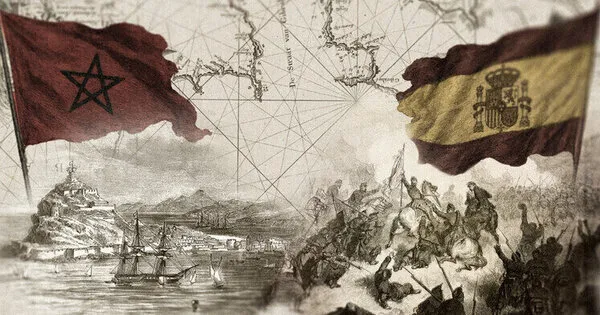
The ongoing territorial dispute concerning the North African cities of Ceuta and Melilla serves as a poignant reminder of the colonial legacy that still impacts contemporary geopolitics. This discord was reignited during the migration crisis in Ceuta in late July, when more than 70,000 migrants crossed the border, prompting Spain to label the event as a serious violation of its territorial integrity. Morocco, which disputes Spanish sovereignty over both enclaves and the adjacent uninhabited islands, has reiterated its claim, framing the situation as one of occupation and emphasizing its historical rights to these territories. The roots of this conflict can be traced back to an era when European powers arbitrarily dictated the fates of entire nations and regions, resulting in borders that often bear no reflection of the historical or cultural ties of the populations involved.
The Diplomatic Tensions and Ongoing Claims
Since gaining independence in 1956, Morocco has persistently raised the issue of Ceuta and Melilla, advocating for their return to Moroccan sovereignty through dialogue. The question of these enclaves reached a diplomatic climax in 1975 when Morocco sought international intervention at the United Nations, which was met with failure. A notable proposal by King Hassan II in 1987 aimed to create a joint committee with Spain to negotiate the future status of these cities, but this was also rejected by Spanish authorities. The tensions escalated dramatically in 2002 when a military standoff occurred over the tiny island of Perejil, illustrating the fragile nature of diplomatic relations. Although both nations have cooperated on migration issues, the dispute remains unresolved, with recent statements from Moroccan Justice Minister Abdellatif Ouahbi emphasizing the need for a long-term solution through dialogue. Spanish Defense Minister Margarita Robles countered these claims by asserting that Ceuta and Melilla are integral parts of Spain, even going so far as to declare them 'super-Spanish.' The complexity of this issue is further exacerbated by the historical narratives each side presents, with Morocco viewing the enclaves as occupied territories and Spain asserting their longstanding claim to sovereignty.
As reported by bignewsnetwork.com.