
The Unfolding of Moroccan-Israeli Diplomatic Relations
In recent years, the diplomatic landscape between Morocco and Israel has witnessed significant transformations, primarily catalyzed by the U.S. administration under Donald Trump. The former president's unwavering support for Israel, particularly during his term, has been unprecedented. Trump's actions, such as withdrawing from the Iran nuclear deal, recognizing Jerusalem as Israel's capital, and acknowledging Israeli sovereignty over the Golan Heights, have not only solidified Israel's position but also pressured Arab states to engage with Israel through initiatives like the "deal of the century". As Trump faced challenges in securing re-election, he initiated the "Abraham Accords" to garner political support from the influential Zionist lobby, AIPAC, amidst its internal divisions between Republican and Democratic factions.
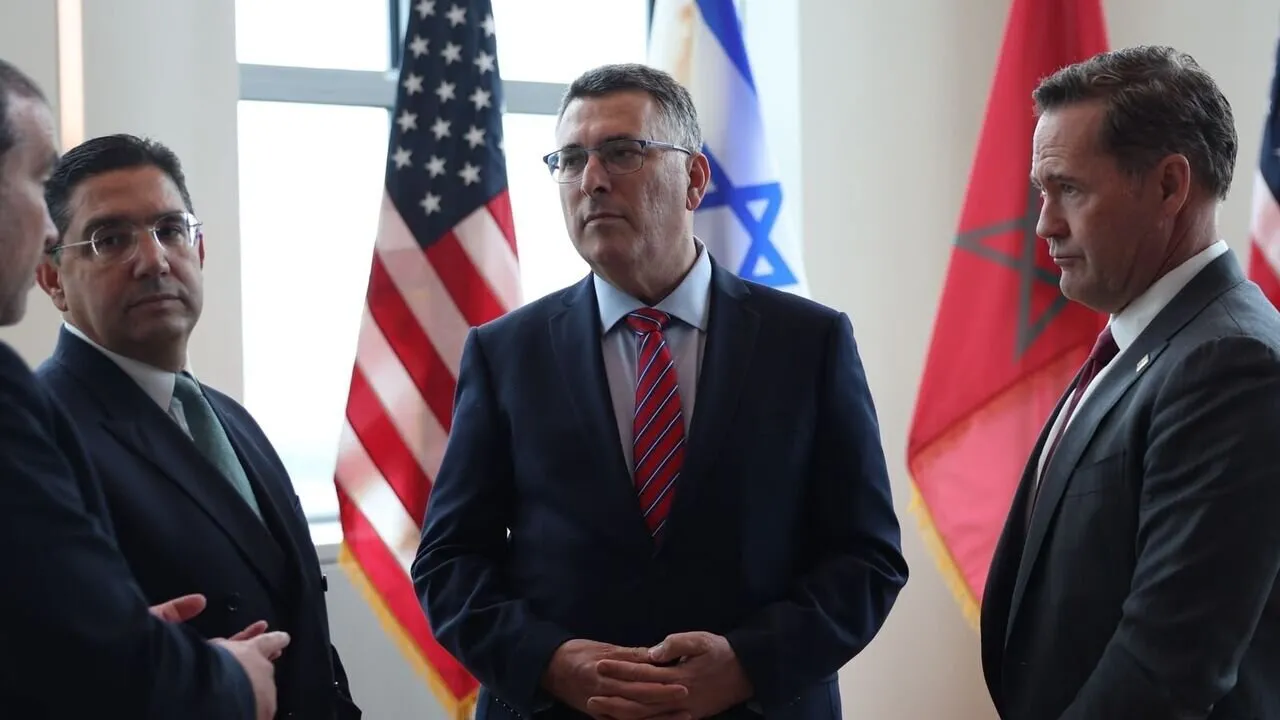
However, as history often reflects cyclical patterns, Trump's declining popularity, exacerbated by controversial military actions requested by Netanyahu, has coincided with a growing isolation of the Israeli regime due to its ongoing military actions in Palestine and Lebanon. A notable development occurred on September 16, 2026, when Moroccan Foreign Minister Nasser Bourita and Israeli Foreign Minister Gideon Sa’ar convened, with the U.S. ambassador to the UN present, resulting in an agreement to elevate diplomatic ties to the exchange of ambassadors and the opening of embassies. This announcement caught the Moroccan populace off guard, especially as it coincided with a parliamentary election campaign, igniting widespread discontent among Moroccans, who have traditionally supported the Palestinian cause and opposed normalization with Israel.
The Historical Context and Current Developments
While official diplomatic relations between Morocco and Israel may seem recent, their connections date back to the 1960s, characterized by clandestine communications. The normalization of relations formally occurred in the 1990s but was suspended following the outbreak of the Second Palestinian Intifada in 2000. The resumption of ties under the Abraham Accords in December 2020 led to a renewed exchange of liaison offices, with significant expansions in various sectors, including security, technology, and agriculture. Notably, Trump's recognition of Morocco's sovereignty over Western Sahara has been cited as a pivotal factor that facilitated the normalization process.
Proponents of these relations argue that they offer Morocco leverage concerning Western Sahara by engaging with the Zionist lobby in the U.S. Recent agreements confirmed by a joint statement from the U.S., Morocco, and Israel have set the stage for enhanced cooperation in investment protection, trade, technology, and security. However, critics caution against the potential ramifications of military and security collaborations, highlighting concerns about surveillance technologies and the broader implications for regional stability.
The African dimension of Moroccan-Israeli relations is also noteworthy, as Morocco seeks to strengthen its presence across the continent while Israel aims to deepen its ties within Africa. The political landscape, particularly concerning the Palestine issue, poses challenges to such collaborations, as differing national interests among African countries could impact the scope of cooperation. Furthermore, Morocco's military alliance with Israel has incited tensions with neighboring countries, particularly Algeria, which views this partnership as a threat to regional stability.
Ultimately, the path forward for Moroccan-Israeli relations remains uncertain, as Morocco grapples with balancing its economic and strategic interests with its stated commitment to the Palestinian cause. The reactions from the Moroccan populace, political shifts in the U.S., and developments in the broader Arab-Israeli conflict will undoubtedly play critical roles in shaping the future of this complex relationship. The situation highlights the intricate interplay of local and international politics, where public sentiment and geopolitical strategies converge, leaving Morocco at a crossroads between its historical support for Palestine and its evolving relationship with Israel.
As reported by tehrantimes.com.