
Understanding the Migration Dynamics at Ceuta and Melilla
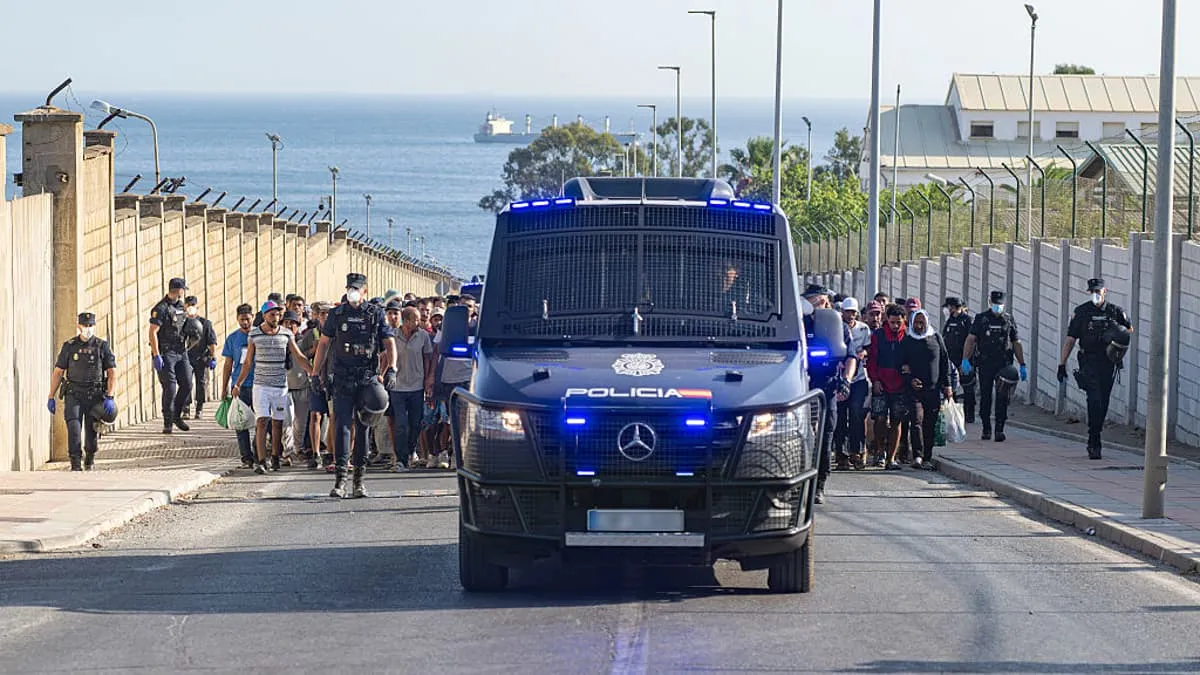
At the northern tip of Morocco, the small cities of Ceuta and Melilla stand as unique enclaves that epitomize the geographic and cultural divides between Europe and Africa. Situated just a short ferry ride from Spain across the Strait of Gibraltar, these Spanish-controlled cities have been part of Spain for centuries, granting their residents the privileges of European Union citizenship. However, they are separated from Morocco by a formidable border fence and stark economic disparities, highlighting the gulf in wealth and opportunity. Ceuta is a mere few miles from the Moroccan town of Fnideq, while Melilla is only a ten-minute drive from Beninsar. In recent months, particularly during a surge in late July and early August, approximately 72,000 migrants from Morocco—many of whom were minors—attempted to reach these enclaves, traversing the Mediterranean Sea through various means, including swimming and running. Many of these individuals embarked on their perilous journeys with little more than a phone and the clothes on their backs, often losing their shoes to the waves that washed them ashore.
The phenomenon of _hragga_, or irregular migration, reflects a complex interplay of desperation and calculated risk among those who undertake such journeys. Migrants can generally be categorized into three groups: seasoned individuals who had attempted crossings before and came prepared; those influenced by online misinformation and rumors suggesting an ephemeral opportunity to reach Spain; and the daredevils who adopted an attitude of recklessness—believing they had nothing to lose. Many migrants weighed their risks with a sobering mindset, convinced that even a brief stay in Ceuta was worth the potential consequences, as they are usually forbidden from entering.
The Human Cost of Migration
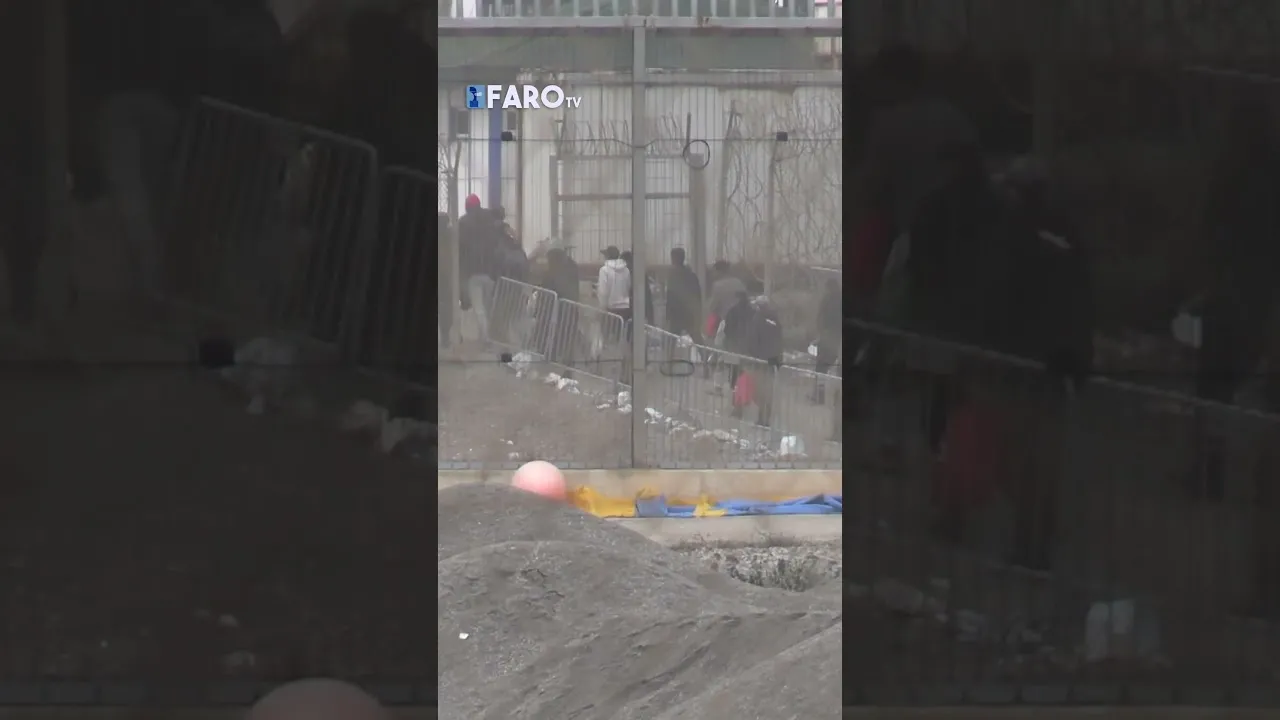
Unfortunately, the journey often ends in tragedy. Many migrants face expulsion by Spanish authorities or are coerced into returning to Morocco. Videos have emerged showing the brutal treatment of migrants by the Spanish Guardia Civil, as they are forcibly returned only to face further violence from the Moroccan Gendarmerie on the opposite side of the border. The human toll has been devastating, with numerous fatalities—141 confirmed dead—ranging from drowning to deadly crushes as thousands converged on narrow shorelines. Among the deceased are young individuals like Faten, a promising 20-year-old footballer aspiring to play in Europe, and 17-year-old Ahmed, both emblematic of the lost potential among those seeking better lives.
The desperation of families left behind is palpable, with many parents waiting at the border, clutching photographs of their missing children, hoping against hope for their safe return. The timing of these events has put the Moroccan government in an awkward position, coinciding with national celebrations for King Mohammed VI’s reign. The government's initial response was one of disengagement, blaming organized crime rather than addressing the root causes of this mass migration. Critics dismissed this narrative, recognizing that smuggling individuals to the enclaves makes little sense, as reaching mainland Spain is the ultimate goal for migrants seeking a better life in Europe. While Morocco's government pointed to legal nuances surrounding migrant deportations, the harsh reality remains that widespread inequality, lack of job opportunities, and a suffocating atmosphere of repression drive young Moroccans to seek a future elsewhere.
Morocco, despite its potential wealth from resources like agriculture, fisheries, and minerals, struggles with profound economic disparities and high unemployment rates, particularly among youth. The state’s repressive political climate has restricted freedoms, leading to crackdowns on protests and dissent. As economic growth primarily benefits a privileged few, many Moroccans have taken to the streets in waves of protests over the years, demanding reform and opportunities. Their frustrations have ultimately led thousands to embark on treacherous journeys toward Spain, highlighting the dire need for systemic change in Morocco.
As reported by time.com.