
The Intersection of Migration Dreams and Economic Reality in Fnideq
In the Moroccan city of Fnideq, located just a stone's throw away from the Spanish enclave of Ceuta, the aspirations of young men and women intertwine with the harsh realities of an ailing economy. Many find themselves grappling with the choice between pursuing opportunities across the border or remaining steadfast in their homeland, despite the myriad challenges they face. The recent surge in migration attempts, particularly after significant events like the one on August 30, highlights the desperation of a community seeking economic alternatives. Social media has played a pivotal role in galvanizing these movements, yet behind the urgency lies a deeper narrative of a city in search of viable economic solutions.
Struggles and Resilience: Stories from Fnideq
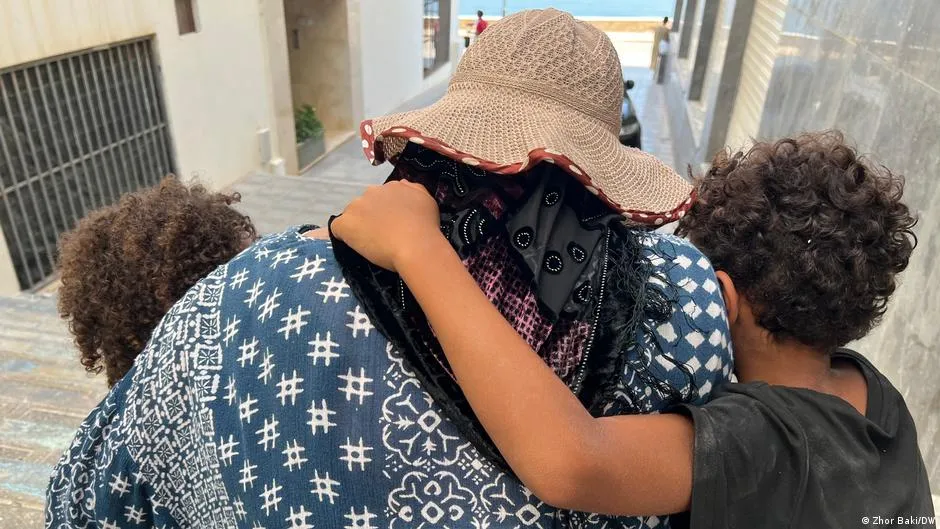
Among those dreaming of crossing into Ceuta is Malika (a pseudonym), a mother of two who seeks a better life beyond the border. Driven by reports of successful crossings, she has come to Fnideq in hopes of finding a way to secure a future for her children. With tears in her eyes, she recounts, "My life is at zero, and I feel like I have no life at all." As she navigates the streets in search of food for her hungry children, Malika faces the grim reality of homelessness. "I'm in a situation where I might harm myself at any moment; my children are starving, and I’m almost homeless," she confesses, as she wipes her tears. The emotional burden is heavy, compounded by her husband’s struggles with depression due to their dire circumstances. "I want my children to enter Ceuta so they can study and have a better future," she expresses, reflecting the hopes of many in her position.
On the other side of this narrative is Ahmed, a 22-year-old from Oued Zem, who journeyed to Fnideq driven by the same dreams of migration. He shares his frustration with the lack of opportunities back home, stating, "The situation is lamentable; there is nothing in this country. I want to migrate to other countries. I have no hope in this land." As he pauses to assist a relative with selling juice, the weight of his reality is palpable. "There is nothing here: no jobs, no industries, no companies. My current income cannot support my dreams or build a future," Ahmed laments.
In stark contrast, there is Mohamed Dami, a 30-year-old who has chosen to stay. Living near the border, he observes the migration attempts but remains grounded in his commitment to his business. "I have never thought about migrating. I buy and sell normally; sometimes I have resources, sometimes I don’t. I have the option to migrate, but I won’t throw myself into the sea for a chance that may not lead to success. Even getting into Ceuta doesn’t justify all this effort and risk. Don’t throw yourselves into destruction," he advises, emphasizing the importance of finding stability at home. Mohamed reflects on the first wave of migration attempts in late July, noting, "I remember everyone heading toward the gate while I continued to work. For me, it felt normal. If one can live and secure their life, then thank God; the future is in God’s hands." His perspective underscores the resilience and hope that many in Fnideq hold, even amidst adversity.
As reported by dw.com.