
Understanding the Intricate Ties Between Spain and Morocco
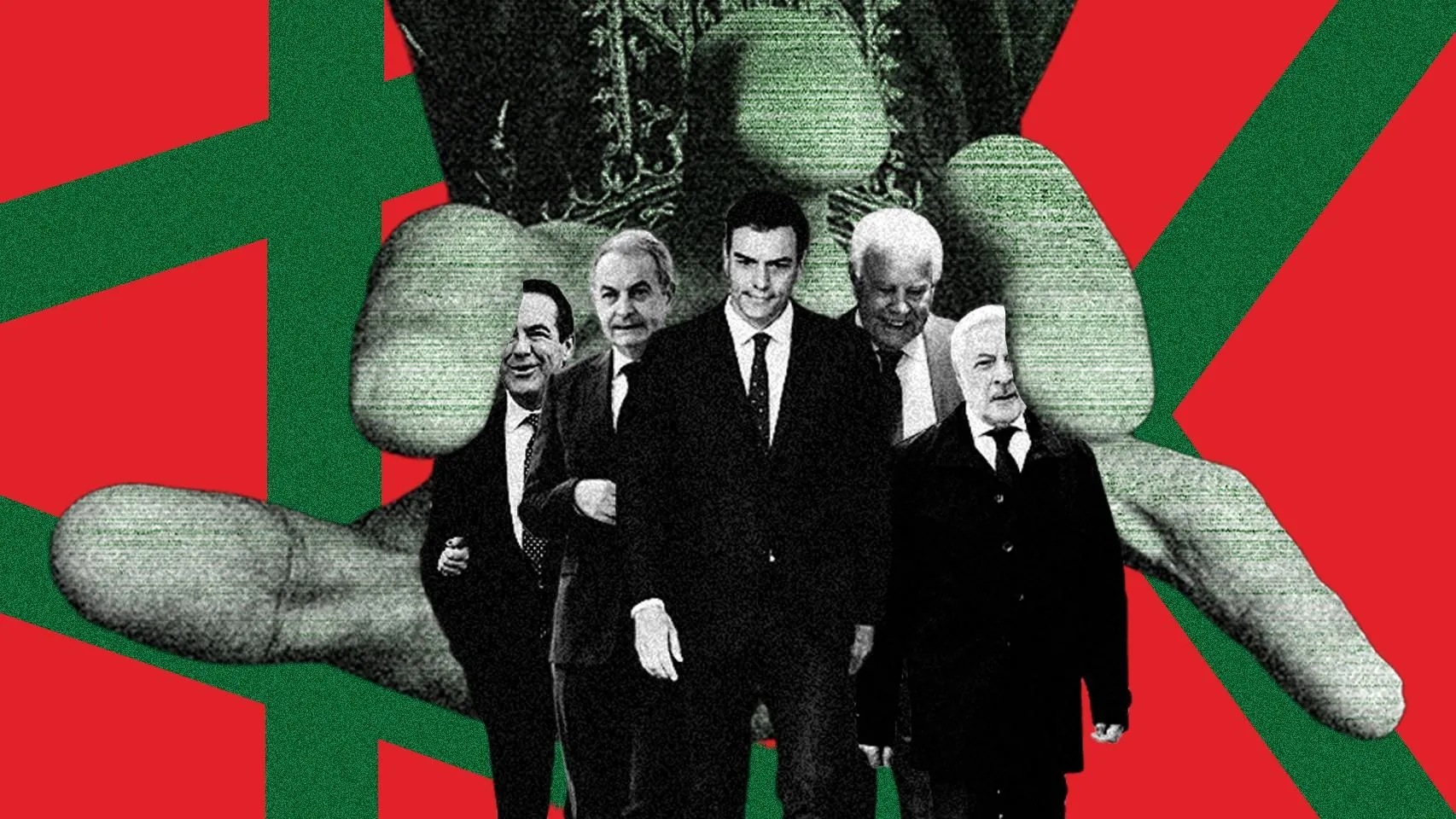
Luxury hotel stays, exclusive properties, and substantial financial resources to defend economic interests in Brussels are just a few methods employed by the Alawite regime to woo Spanish politicians. The documented strategies used by Morocco to influence Spanish leaders range from generous gifts to outright threats, highlighting a complex web of political maneuvering that has evolved over the years.
Former Spanish Prime Minister Felipe González was pivotal in institutionalizing this relationship, making his first official trip to Rabat upon assuming office. His close ties with King Hassan II of Morocco extended to personal investments, including a 5,000-square-meter plot of land in Tangier, which he sold to the Saudi royal family. Successor José Luis Rodríguez Zapatero inherited this approach, further solidifying the relationship through his own connections with King Mohammed VI. Even after leaving the Moncloa, Zapatero continued to advocate for Moroccan interests, reflecting a deep-seated political alignment.
This pattern extended to Zapatero's close associates, such as former Defense Minister José Bono, who shifted from labeling Morocco as an "undercover dictatorship" to becoming one of its staunchest defenders. Similarly, José 'Pepiño' Blanco transformed his political experience into a consultancy, leveraging the socialist party's accumulated influence to maintain communication with Moroccan authorities. The geographical, immigration, and trade dynamics, coupled with the delicate issues surrounding Ceuta and Melilla, necessitate a cooperative relationship between Spain and Morocco. However, this need alone does not explain the persistence of certain personal and economic ties among PSOE leaders or their reluctance to confront Rabat directly when pressure tactics are employed.
The question arises as to why so many socialist leaders find themselves ensnared in these networks and to what extent these relationships account for the inaction of current Prime Minister Pedro Sánchez regarding Morocco. During a recent session in the Congress of Deputies, Sánchez faced criticism for downplaying Morocco's role in the border crisis that unfolded in Ceuta in late July. Despite a comprehensive report from the National Immigration and Borders Center (CENIF) indicating Moroccan agents guided migrants toward the border, Sánchez maintained a defensive stance, stating that more conclusive evidence would be necessary for Spain to take decisive action.
Critics, including Moroccan journalist Ali Lmrabet, argue that this approach is not an isolated incident but aligns with the PSOE's longstanding policy of complacency towards Morocco. Political analyst Taleb Alisalem asserts that the PSOE has been serving Moroccan interests for years, with various strategies employed to gain influence, including lavish gifts and financial incentives for former leaders like Zapatero. The pressure tactics extend to more sinister methods, such as the notorious Pegasus spyware, which has reportedly been used to monitor the communications of Sánchez and his ministers.
The espionage incident involving Pegasus raises significant questions about the extent of Morocco's influence over Spain. During a diplomatic crisis in 2021, just as tensions escalated over the hospitalization of a key Sahrawi leader, the devices of Sánchez and several of his key ministers were compromised. The timing of this cyber intrusion coincided with increased migration pressure on Spain's borders, prompting accusations of Morocco using immigration as a tool of "blackmail." The sequence of events suggests a troubling correlation between the espionage and Morocco's strategic maneuvers, leading to speculation about how much information was leveraged to increase pressure on the Spanish government.
In reflecting on the historical context, the socialist inclination towards Morocco can be traced back to Zapatero's tenure as leader, where he and Foreign Minister Miguel Ángel Moratinos crafted a diplomatic strategy to gain Moroccan trust. A notable episode occurred in December 2001 when Zapatero, then in opposition, visited Morocco amid a diplomatic crisis, receiving extraordinary treatment from Moroccan officials. This visit laid the groundwork for future interactions, signaling a willingness to engage with Moroccan leadership even when such engagements presented challenges to Spain's political stance.
As reported by elespanol.com.