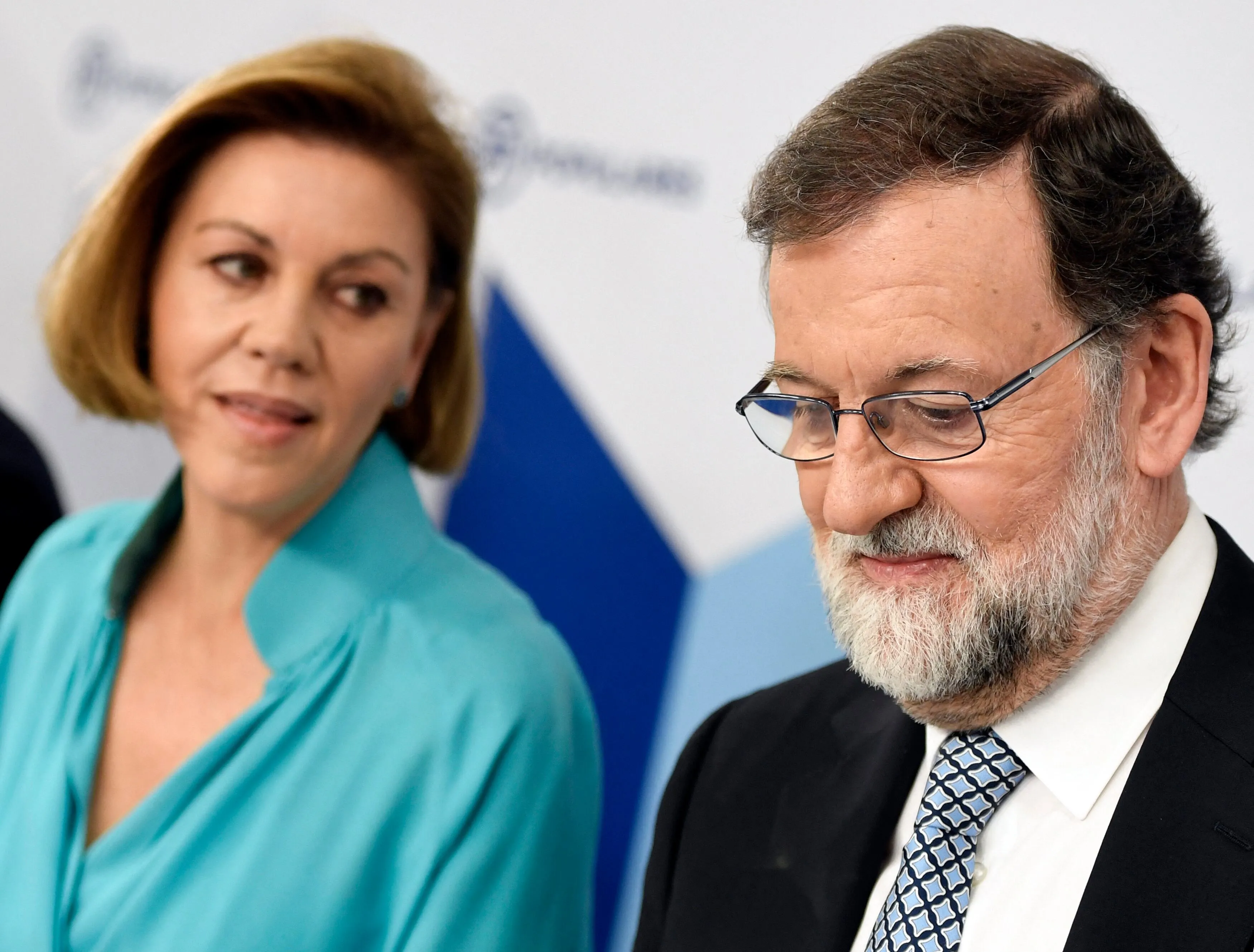

The celebration of Spain's qualification for the semi-finals of the World Cup unexpectedly spiraled into a political debate surrounding Morocco, immigration, and ultimately, the question of who can be deemed truly French. On July 10, former Spanish Prime Minister Mariano Rajoy published a column titled "Today the Revenge Comes" following Spain's victory over Belgium. In this piece, Rajoy, a prominent figure in the Popular Party, not only celebrates Spain's advancement but also intertwines various assertions that delve far beyond the realm of sports.
One of the focal points of Rajoy's commentary was Morocco. While reflecting on Belgium's journey in the tournament, he recalled their victory against Senegal, a team he described as a "finalist in the last Africa Cup of Nations after some official unjustly stripped them of the title and awarded it to Morocco." In doing so, Rajoy positions himself as a judge, declaring who the rightful winner is and alleging that Morocco received a title it did not deserve, attributing the outcome to supposed external interference. This assertion is striking, particularly as it emerges almost incidentally in a column meant to celebrate Spain's sporting achievement. Notably, Morocco was not even Spain's opponent in the match that prompted Rajoy’s writing, yet he found space to question the legitimacy of one of Morocco's titles while presenting his claims as certainties awaiting judicial resolution.
It is particularly concerning that such a severe accusation surfaces in a context intended to honor Spain’s success in the World Cup. A former head of government should be acutely aware of the distinction between critiquing a sporting decision and pronouncing a judgment. To state that a title was "unjustly taken" from one team and "given" to another while the matter is still pending a legal verdict transcends factual analysis; it veers into a realm of partisanship and presumption.
Rajoy's Controversial Remarks on French Identity
The most contentious remark in Rajoy's column arises when he discusses France, Spain's next opponent in the semi-finals. While acknowledging that the French team boasts "an exceptionally high-quality squad," he adds a provocative phrase: "That said, without French players." This statement raises eyebrows as Rajoy seems to deny the French identity of players who are legally French citizens, many of whom were born and raised in France and proudly don the national jersey. His words introduce a troubling distinction between those considered truly French and those, despite their legal status and representation, who seemingly do not qualify as such.
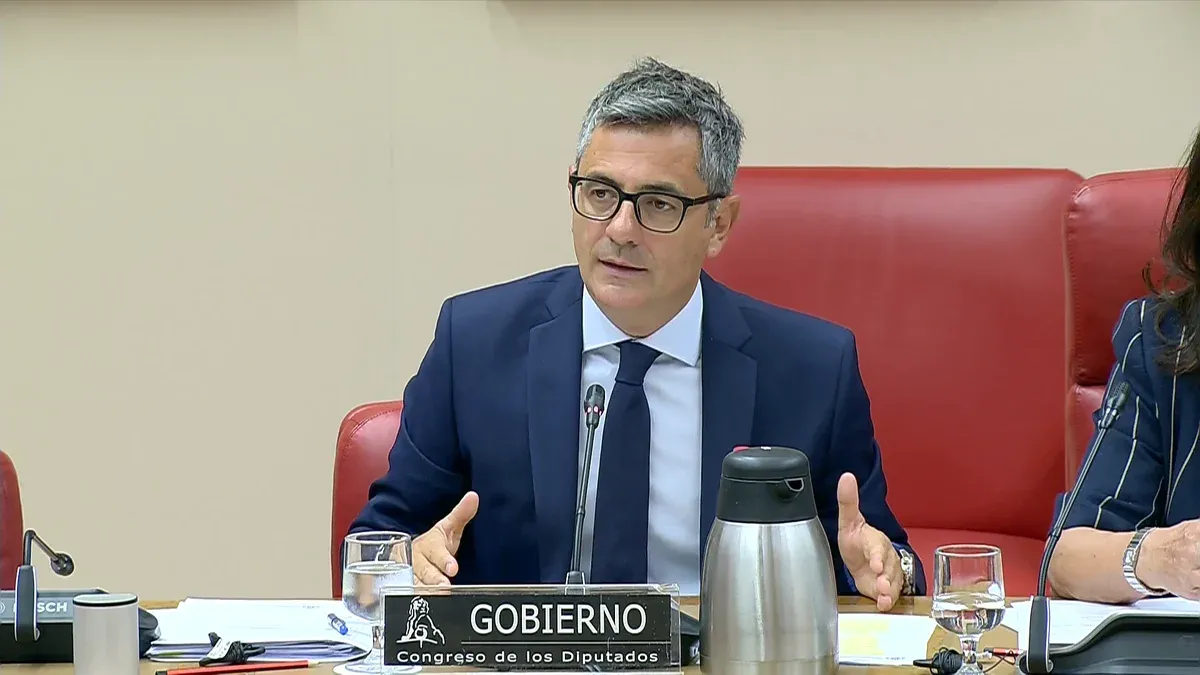
Rajoy fails to clarify the criteria he employs to determine who qualifies as French. If nationality, birth, and a lifetime of contributions to a country do not suffice, it begs the question: what then defines true citizenship? Is it a surname? The origins of one’s parents? The color of one’s skin? Spanish Prime Minister Pedro Sánchez was quick to respond, stating, "Some still measure belonging by surname, place of birth, or skin color," directly labeling Rajoy's comments as "xenophobic statements." He further articulated, "We measure belonging by the commitment to a country and the will to contribute to it—whether by playing football, caring for our elders, or starting businesses." Sánchez concluded emphatically, "Spain belongs to those who love and work for it, not to those who embarrass it with xenophobic remarks."
This exchange is not incidental. The phrase "without French players" echoes a long-standing narrative that questions the belonging of European citizens of immigrant descent, even when they are born in the country, hold citizenship, and represent it on international stages. This logic, if taken to its extreme, transforms familial origins into a form of perpetual boundary. Rajoy's column does not shy away from its political undertones. By referencing Belgium’s players, known as the Red Devils, he expresses disdain for "neither devils nor reds," unless the red represents the Spanish jersey. He adds, "Just look back or simply observe what is happening in our country," in a clear jab at the Spanish left.
However, there is a stark difference between political wordplay and denying the nationality of an entire group of players based on their origins. Rajoy was the Prime Minister of a nation where millions of citizens have roots outside of Spain, and he was their leader too. Therefore, when a former head of government claims that a national team plays "without French players," it raises questions not only about France but also about the treatment of Spaniards of Moroccan, Senegalese, Latin American, or any other descent.
Sánchez wrapped up his response looking forward to the match: "France, see you in the semi-finals. May the best team win, and may racism lose." The semi-final will be contested on the field, but Rajoy has ignited a broader discussion beyond it—one concerning who can be fully recognized as a citizen of a nation and, importantly, who believes they have the right to make that determination.
As reported by es.le360.ma.