
Exploring the Ethical Implications of Filming in Occupied Territories
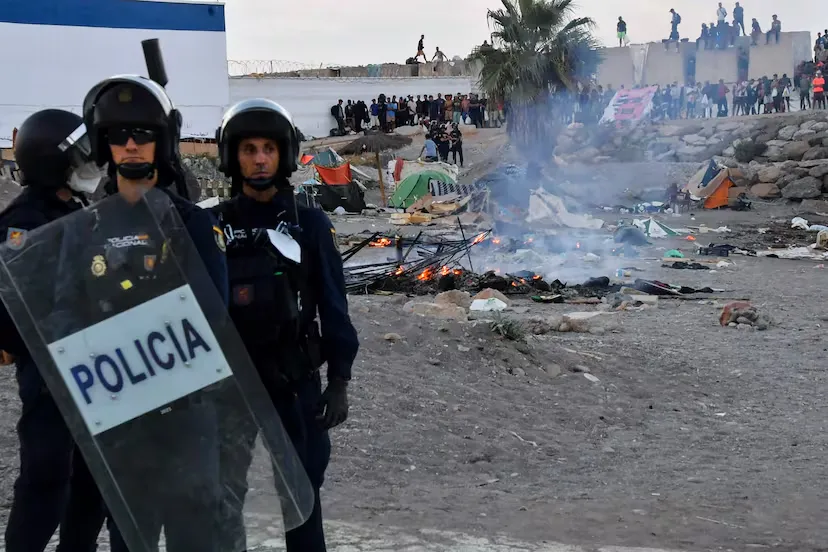
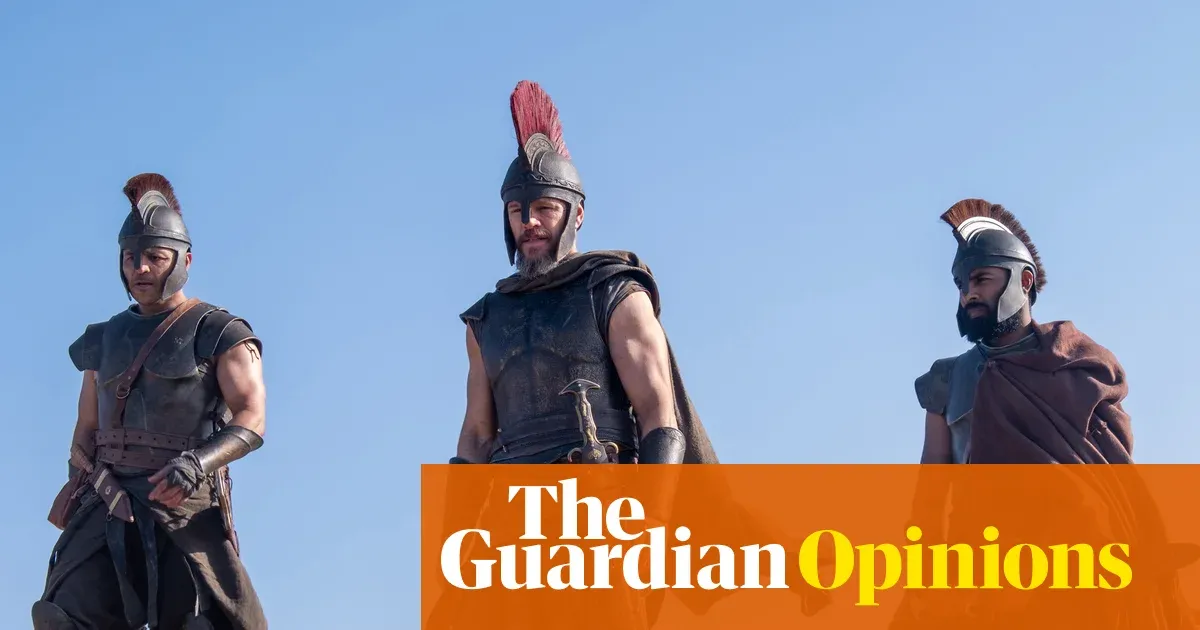
The recent decision by acclaimed director Christopher Nolan to use Moroccan-occupied Western Sahara as a filming location for his adaptation of Homer’s epic, The Odyssey, has sparked a significant debate surrounding the ethical implications of such a choice. While the film industry often seeks picturesque and exotic locales to enhance the visual appeal of their stories, the reality faced by the Sahrawi people, the Indigenous inhabitants of Western Sahara, is starkly different. For these individuals, simply wielding a camera in their homeland can result in severe consequences, including imprisonment. The Moroccan regime, which occupies this disputed territory, views any documentation of daily life by Sahrawi filmmakers and journalists as a threat to its narrative that asserts Western Sahara as part of Morocco.
In a bitter twist, while international filmmakers are welcomed and provided access to the region, the Sahrawi people themselves find their rights to self-expression severely curtailed. This paradox highlights the complex dynamics of power and representation in the film industry, where foreign entities often exploit local resources and narratives without acknowledging or addressing the lived realities of the Indigenous populations. The Sahrawi community, marginalized in their own land, finds itself subjected to a colonial narrative that continues to unfold, as their stories remain untold on the silver screen.
The Sahrawi Odyssey: A Tale of Displacement and Struggle
The irony of filming an epic tale of displacement and struggle in a land where the Indigenous people have endured their own harrowing odyssey for over five decades is not lost on the Sahrawis. Their history is marked by a brutal military invasion in 1975 when Spanish colonial authorities relinquished control of the territory to Morocco and Mauritania. Today, many Sahrawis live in refugee camps in Algeria, while others are trapped under a militarized regime in their homeland, separated by a heavily fortified wall. These realities, steeped in suffering, separation, and betrayal, echo the themes of The Odyssey, yet they remain absent from the cinematic narrative that has been created.
As audiences flock to theaters to witness Nolan's interpretation, it is crucial for them to understand the weighty ethical considerations entwined in the production of the film. The choice to film in Western Sahara exposes the exploitative practices that are often embedded within the Western film industry, perpetuating a cycle of extraction that mirrors the historical injustices faced by the Sahrawi people. The film crews may capture the beauty of the Sahrawi landscape and culture, but they do so at a cost, further commodifying the very essence of a people whose stories deserve to be told authentically and respectfully.
As reported by theguardian.com.