

The Controversy Surrounding Christopher Nolan's 'Odyssée'
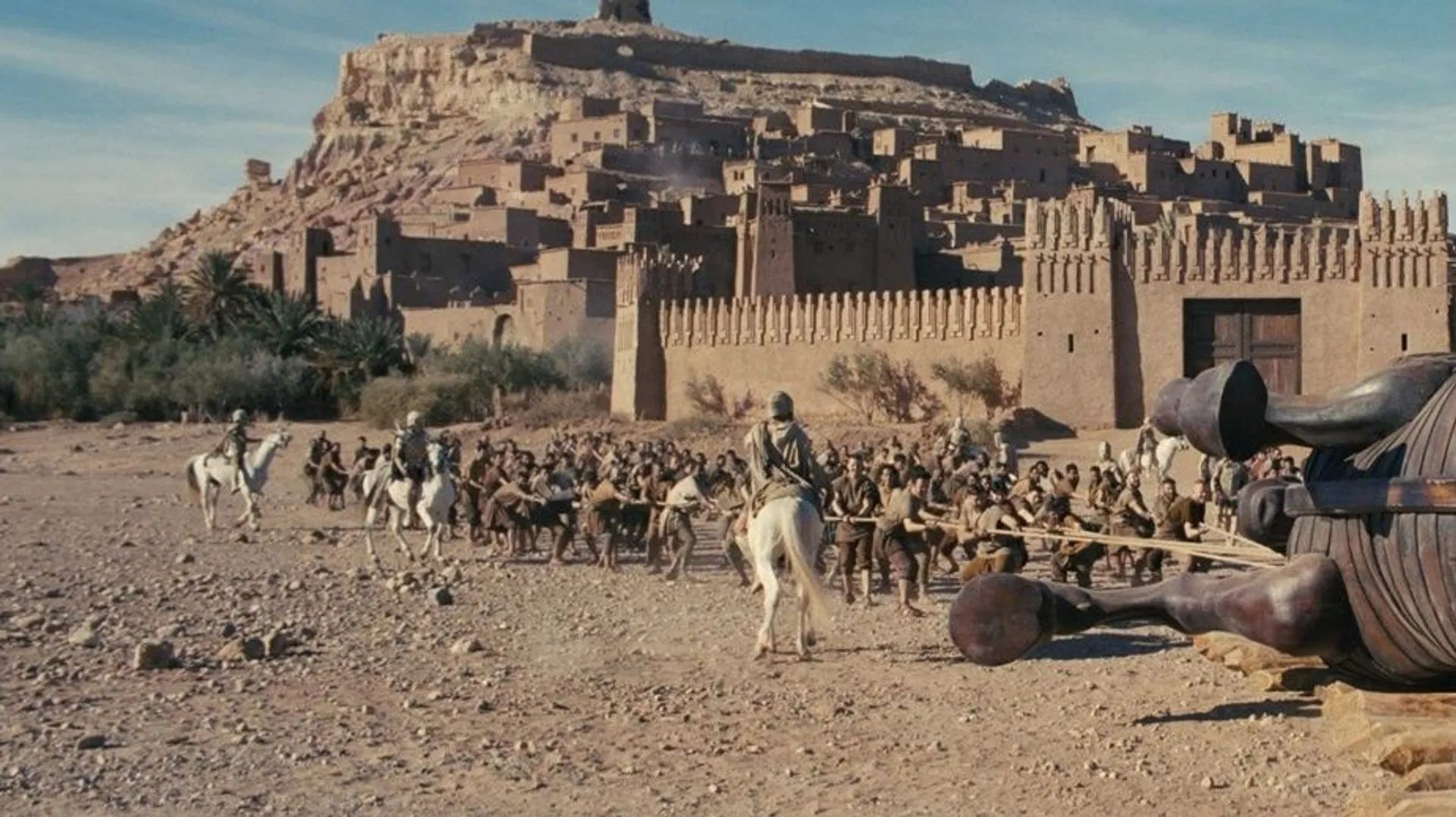
The film industry is no stranger to controversies, and Christopher Nolan's latest blockbuster, "Odyssée," is no exception. The film has recently come under scrutiny due to its filming locations, which are credited as being in Morocco while actually taking place in Dakhla, a city located in the disputed territory of Western Sahara. This territory is claimed by Morocco, which has made its sovereignty over the area a point of national pride, much to the dismay of the Sahrawis who seek self-determination and independence. The choice of location has sparked widespread debate and led to criticism from notable figures, including environmental activist Greta Thunberg and filmmaker Pedro Almodóvar.
Nolan's team opted for the White Dune of Dakhla to depict the island of Ogygie, where the character Ulysses is famously held captive by the nymph Calypso for seven long years. According to the film's press materials, the dune is celebrated for its "wild landscapes and intense light," a sentiment echoed in Moroccan tourism brochures. However, the artistic choice of this location raises significant geopolitical questions. While Dakhla is governed by Morocco, it is situated in Western Sahara, a territory that has been the subject of an international dispute for over fifty years. This region was a Spanish colony until 1975, and the United Nations still classifies it as a "non-self-governing territory." Thus, the decision to film in an area that is still considered a colony by many adds layers of complexity to the narrative.
Since Morocco's annexation of Western Sahara in 1975, the situation has remained contentious. The Moroccan government controls approximately 80% of the territory, while the remaining 20% is administered by the Polisario Front, a group advocating for Sahrawi independence and supported by Algeria. The international community has struggled to find a resolution to this conflict, with the United Nations seeking a diplomatic solution for decades. Recent developments, such as a resolution by the UN Security Council endorsing Moroccan sovereignty over the territory, have been met with mixed reactions. Countries like the UK, Spain, France, and Belgium support this resolution, with Belgium's Foreign Minister, Maxime Prévot, describing it as a realistic foundation for achieving a fair and lasting political solution.
As the controversy unfolds, it remains to be seen how Nolan and the production team will respond to the criticisms surrounding their filming location. The dialogue surrounding "Odyssée" is not just about cinema but also highlights ongoing geopolitical tensions that resonate far beyond the screen.
As reported by rtbf.be.

