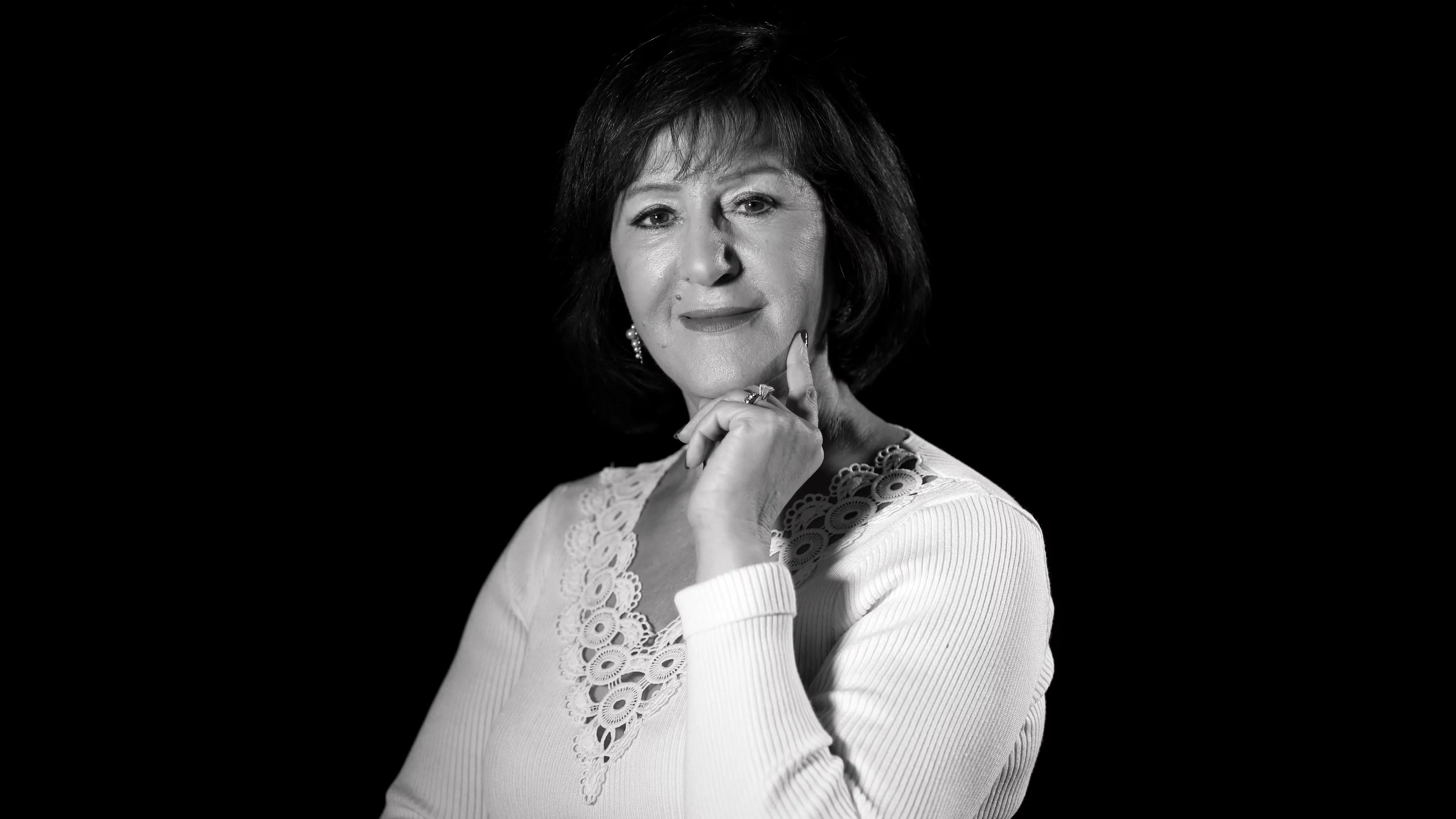

The Complex Story of Wafae Atid
On August 19, _El País_ presented the story of Wafae Atid, a 28-year-old Moroccan woman who reportedly swam to Ceuta in a desperate bid to escape a family that allegedly prevented her from pursuing her education and travel. However, a closer examination of her social media presence tells a vastly different tale. In her posts, Atid showcases travels to Qatar, the United Arab Emirates, Turkey, and several African nations, alongside a background that includes studies in Dubai, work in hospitality and catering, and experience in modeling. This paints a picture of a young woman leading a notably active life abroad, contradicting her claims of familial restrictions on her freedom to travel.
In a video, she explicitly states her desire to live in Europe, questioning her audience, "What is your problem with my aspirations?" This raises eyebrows, as it suggests a deliberate manipulation of circumstances to garner sympathy from European nations while tarnishing her family's reputation. The inconsistencies in her narrative do not end there; she claims not to be impoverished in one interview while portraying herself as one of the poorest migrants upon her arrival in Ceuta in another video. Such contradictions challenge the role of journalism, which should not selectively choose narratives based on sensationalism but rather strive for accuracy and truth.
Media Responsibility and Ethical Journalism
The most troubling aspect of this situation is not merely that an individual may have misled the public, but that various media outlets have propagated her account without adequately addressing the glaring inconsistencies. This raises critical questions about media bias and the responsibility of journalists to provide a balanced view of reality. When a personal story is sensationalized to represent a broader social issue, it risks becoming a collective indictment of an entire country. The narrative surrounding Atid has been used to portray Morocco as a land of oppression, juxtaposed against the freedoms of Europe, a depiction that is both overly simplistic and unjust.
It is essential to recognize that journalism must maintain rigorous standards, regardless of the subject. If similar claims were made about a European nation, would the same media be so quick to accept contradictory testimonies? Would they dismiss such inconsistencies as minor details, or would they investigate potential manipulation and deception? The truth is universal and does not belong to any one nationality. When media outlets favor narratives that align with preconceived notions of a country, they create a distorted reality rather than reporting the facts.
Atid's story has become emblematic of a perceived crisis in Morocco, and the media's treatment of her claims reflects a troubling trend. There is a tendency among certain Western outlets to revel in stories that cast Morocco in a negative light. While criticism is a vital aspect of journalism, the repetitive focus on such narratives suggests an underlying bias in how Morocco is portrayed, raising concerns about editorial reflexes and the representation of the Kingdom.
Ultimately, this incident demonstrates the importance of factual reporting. While Atid may share her experiences, it remains the journalist's duty to verify and present the truth. Accepting falsehoods simply because they serve an agenda against a nation undermines the integrity of journalism itself. The media's responsibility is to shed light on reality, not to fabricate it for sensational headlines.
As the controversy continues, Atid has made further claims about her atheism and its implications for her life in Morocco, statements that have been widely circulated by news agencies. This raises the question: how far will she go to elicit sympathy and secure residency in Europe? And how long will the media continue to amplify this narrative, transforming a mundane story into an exaggerated saga of victimization?
In conclusion, while Morocco faces its share of challenges, it is essential not to conflate individual incidents with the broader narrative of an entire nation. The media's handling of Atid's story risks becoming a campaign of denigration rather than an objective exploration of facts, thereby jeopardizing the credibility of the press itself.
As reported by fr.le360.ma.