
Understanding the Migration Surge in Ceuta
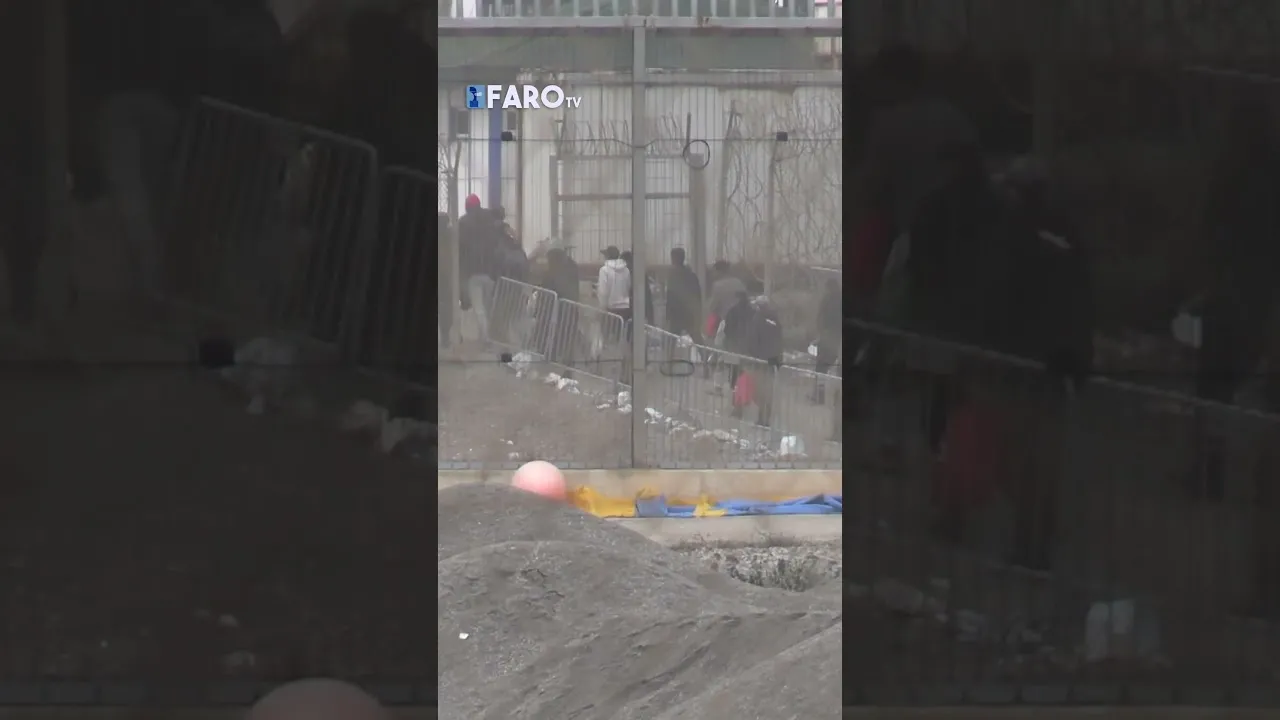
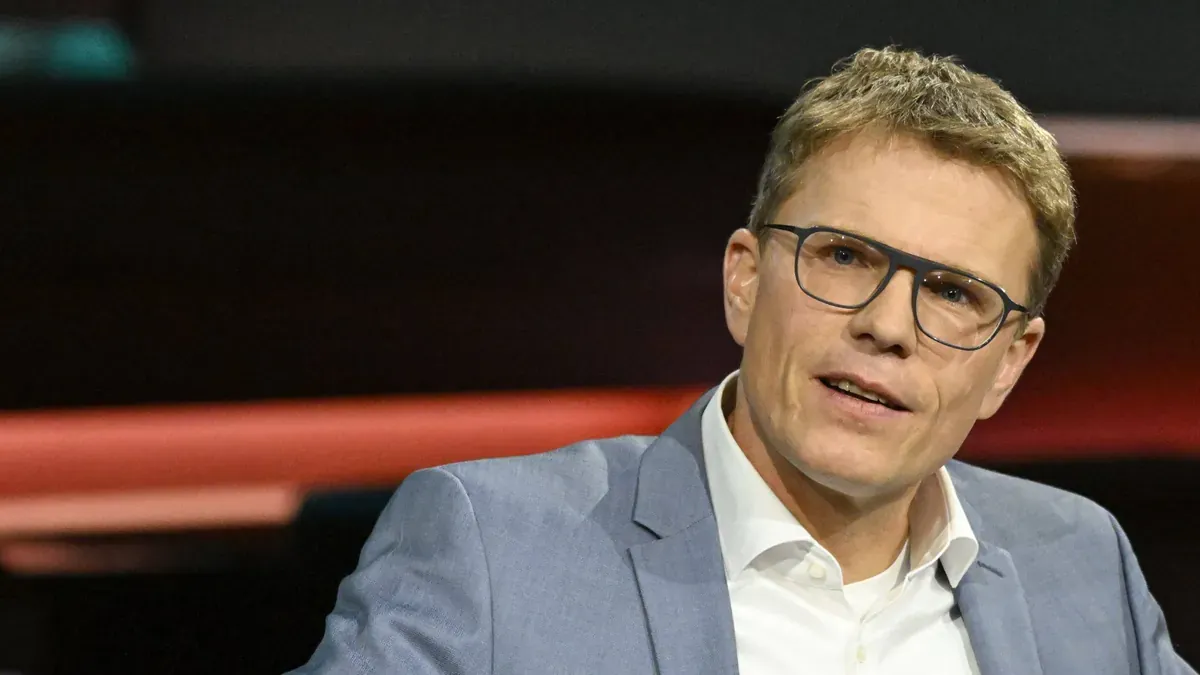
In a recent episode of Markus Lanz's program, the focus shifted to the overwhelming influx of up to 80,000 migrants from Morocco to the Spanish exclave of Ceuta and the ensuing implications for the European Union. Migration expert Daniel Thym expressed grave concerns regarding the future of individual asylum rights within the EU. This discussion arose three weeks after the mass arrival, prompting Lanz to delve deeper into how such a significant strain on the EU's immigration system could occur.
Hans-Christian Rößler, a correspondent for the 'Frankfurter Allgemeine Zeitung', provided insights into the situation, stating that there is no singular explanation for the events that unfolded. He suggested that the security apparatus was caught off guard and failed to adequately anticipate the impact of social media and the frustrations of Generation Z. While some speculated that the surge could have been a deliberate act of sabotage by Morocco, Rößler dismissed this notion, citing Morocco's bid to host the 2030 FIFA World Cup and the potential reputational damage it could incur from such actions.
The Political and Social Ramifications
Throughout the program, Lanz frequently referenced footage of the migrants' arrival, emphasizing “the power of images” in shaping public perception. Journalist Kerstin Münstermann remarked on how these visuals could be interpreted as a successful breach of 'Fortress Europe', despite the fact that the migrants had not reached mainland Europe. This situation echoed sentiments expressed by former US President Donald Trump, who labeled it an “invasion.” Daniel Thym pointed out the palpable anxiety that spread across many European nations, driven by a deep-seated fear of a repeat of the 2015 crisis, during which over a million individuals fled conflicts in Syria, Afghanistan, and Iraq to seek refuge in the EU.
CDU politician Dennis Radtke articulated concerns over the manipulation of imagery in this context, arguing that European solidarity should prioritize support for Spain rather than devolving into the usual blame game, exemplified by Italian Prime Minister Giorgia Meloni's criticisms of Spanish migration policies. Lanz noted that German Chancellor Friedrich Merz had also succumbed to this reflex, referencing a letter signed by 22 EU countries to Pedro Sánchez, Spain's Prime Minister. Radtke countered that such reactions only exacerbate the situation and expressed the need for European leaders to maintain composure, highlighting the distinct differences between the current scenario and that of 2015.
Lanz further introduced the topic of the Alternative for Germany (AfD) party, which had only garnered 3% support in 2015. While Radtke resisted reducing the AfD phenomenon solely to migration issues, Lanz insisted that migration remains at the core of their platform. Radtke reiterated criticisms of Merz's controversial statements regarding urban environments, arguing that even if all illegal migrants were deported, the situation would not revert to its previous state. Lanz, unconvinced, cited the staggering figure of 260,000 individuals in Germany currently subject to deportation and noted 9,000 failed deportations this year as evidence of a “dysfunctional system.” Thym contributed that the letter from the 22 EU nations suggests a growing consensus for stricter border controls, asserting that asylum rights are already being eroded, especially in light of Poland's practices of pushing back asylum seekers at the Belarus border.
The conversation shifted as Radtke suggested that Poland's actions should be viewed in a broader context and affirmed his commitment to the individual right to asylum as a Christian Democrat. However, Thym expressed his belief that such rights would not endure much longer within the EU framework, predicting their eventual eradication within a few years.
In the final segment of the program, Lanz pivoted to domestic politics, questioning Radtke about his alignment with the 13% of respondents who reportedly approve of Chancellor Friedrich Merz's performance. Radtke hesitated to affirm this and added a nuanced perspective, stating, “I see it at least in a more differentiated manner,” while also referencing Merz's controversial remarks.
As reported by t-online.de.