
The Dire Situation at Ceuta
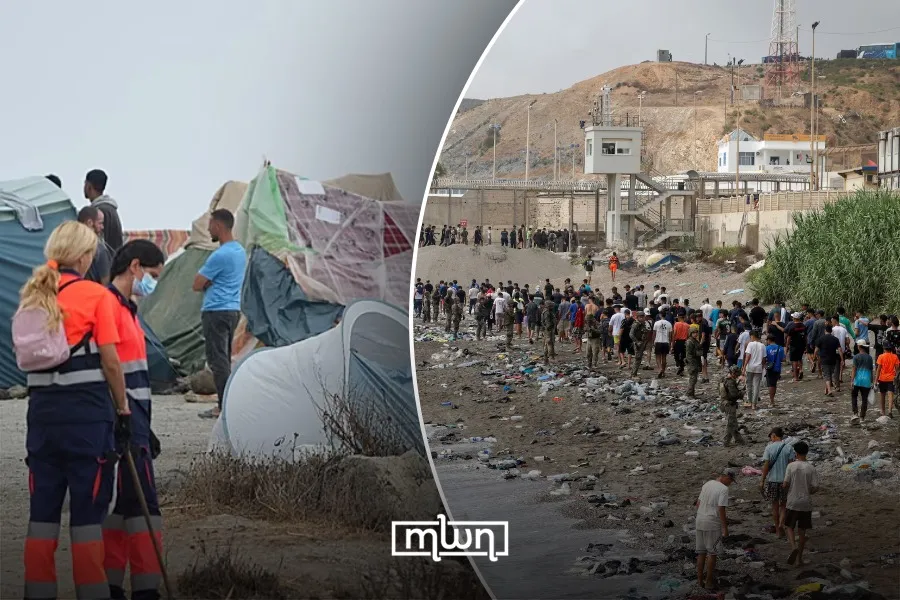
The recent surge of migrants attempting to reach the Spanish enclave of Ceuta in North Africa has been met with a fierce political backlash from right-wing factions in Spain. The Popular Party (PP) and the far-right Vox party are leveraging the plight of tens of thousands of migrants as a means to undermine the current Socialist Party (PSOE) and Sumar coalition government. In July alone, approximately 70,000 individuals attempted the perilous journey in search of a better life, with reports indicating that at least 140 people tragically drowned in one of the deadliest migration attempts recorded in recent history. The desperate situation on the beaches of Ceuta, particularly from the Moroccan town of Fnideq, is a stark reflection of the struggles faced by those fleeing poverty and violence.
The PSOE-Sumar government has responded to this crisis by deploying military forces alongside police units, effectively sealing off any routes to mainland Spain. In collaboration with Moroccan authorities, they have conducted mass expulsions, leaving thousands stranded without basic necessities like food and water. Reports indicate that soldiers and police have forcibly pushed many migrants back into Morocco, claiming that around 90 percent of those who attempted the crossing have been expelled. This mass deportation has resulted in approximately 5,000 migrants remaining in Ceuta, with around 1,500 minors among them, living under increasingly hostile conditions as far-right groups target them in a pogrom-like atmosphere.
Political Exploitation of the Crisis
The Spanish political landscape has reacted uniformly to the migrant crisis, with officials from various parties declaring it an “invasion.” Prime Minister Pedro Sánchez characterized the migrant crossings as an “attack” on Spain’s territorial integrity, vowing to utilize all state resources to defend Ceuta. This rhetoric has been echoed across the political spectrum, with racist narratives proliferating in the media, painting migrants as perpetrators of violence and disease. Such depictions have been used by right-wing parties, particularly Vox, whose leader Santiago Abascal has labeled the influx as an “act of war” and called for the militarization of the Moroccan border. The PP has accused the PSOE government of failing to act despite prior warnings of the crisis.
The far-right and right-wing media have intensified their campaign against the government, framing the situation as a Moroccan-led invasion. This narrative is supported by various liberal media outlets, which echo concerns about national security and sovereignty. Meanwhile, the PSOE-Sumar administration has faced criticism from its own coalition partners, with some members tacking to the right in their responses, suggesting that Morocco is using vulnerable individuals as pawns in a geopolitical game against Spain.
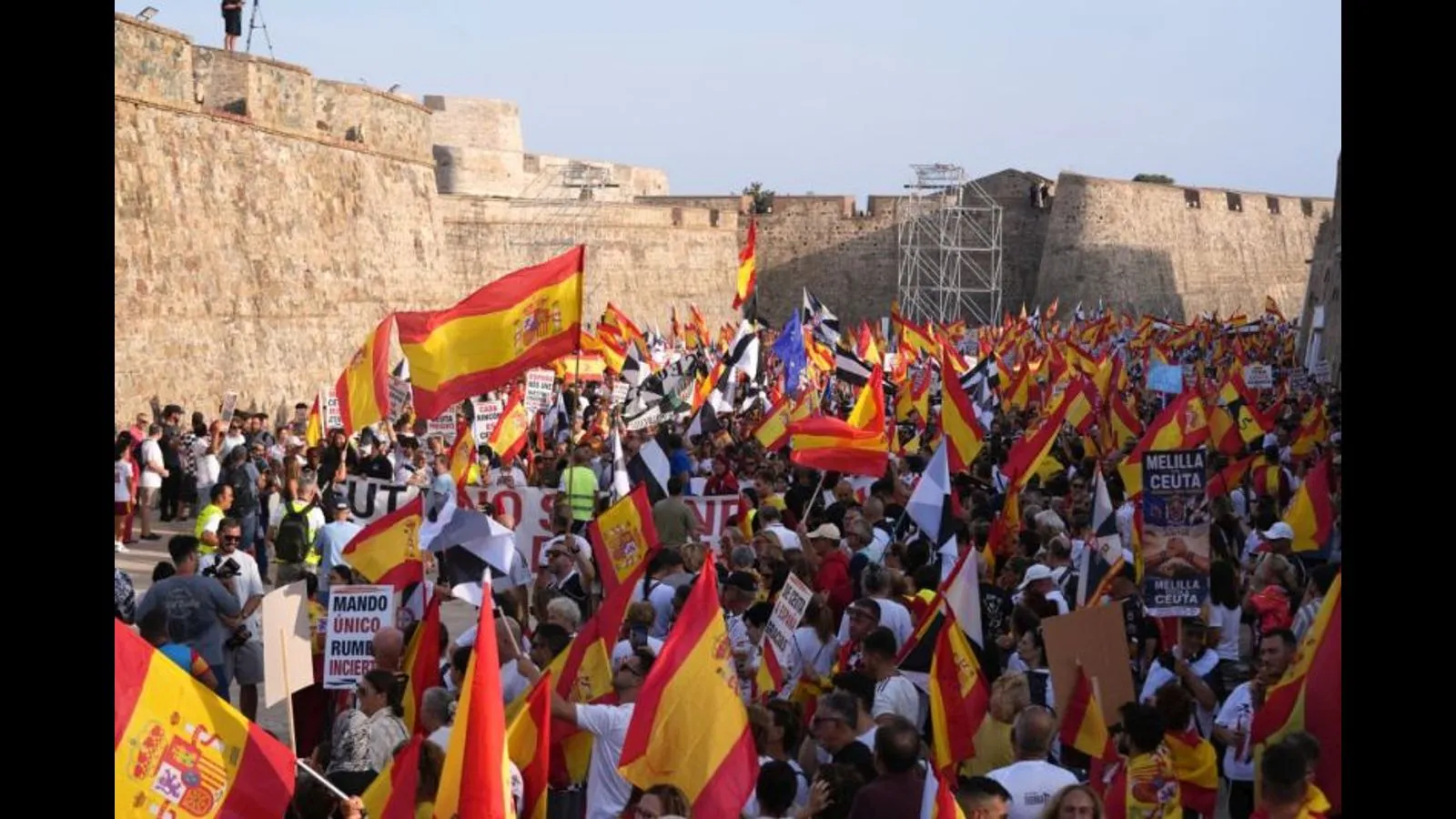
As the situation escalates, racist demonstrations have erupted across the country, drawing significant crowds and even neo-Nazi groups. Major cities like Málaga and Seville witnessed protests attended by thousands, where far-right activists displayed fascist symbols and salutes. This coordinated display of anti-migrant sentiment speaks to a broader strategy by the PP and Vox to incite fear and anger towards migrants, potentially destabilizing the current government.
In the broader context, the ongoing crisis at Ceuta raises critical questions about Spain's role and responsibility in the region, especially considering its colonial past in Morocco. The PSOE-Podemos government has been complicit in enforcing the EU’s stringent border policies, which have resulted in thousands of migrant deaths in their attempts to reach European shores. The humanitarian implications of these policies continue to unfold, as evidenced by the recent deaths of 83 migrants attempting to cross to the Canary Islands.
As reported by wsws.org.