
The Ongoing Crisis in Ceuta: More Than Just a Migration Surge
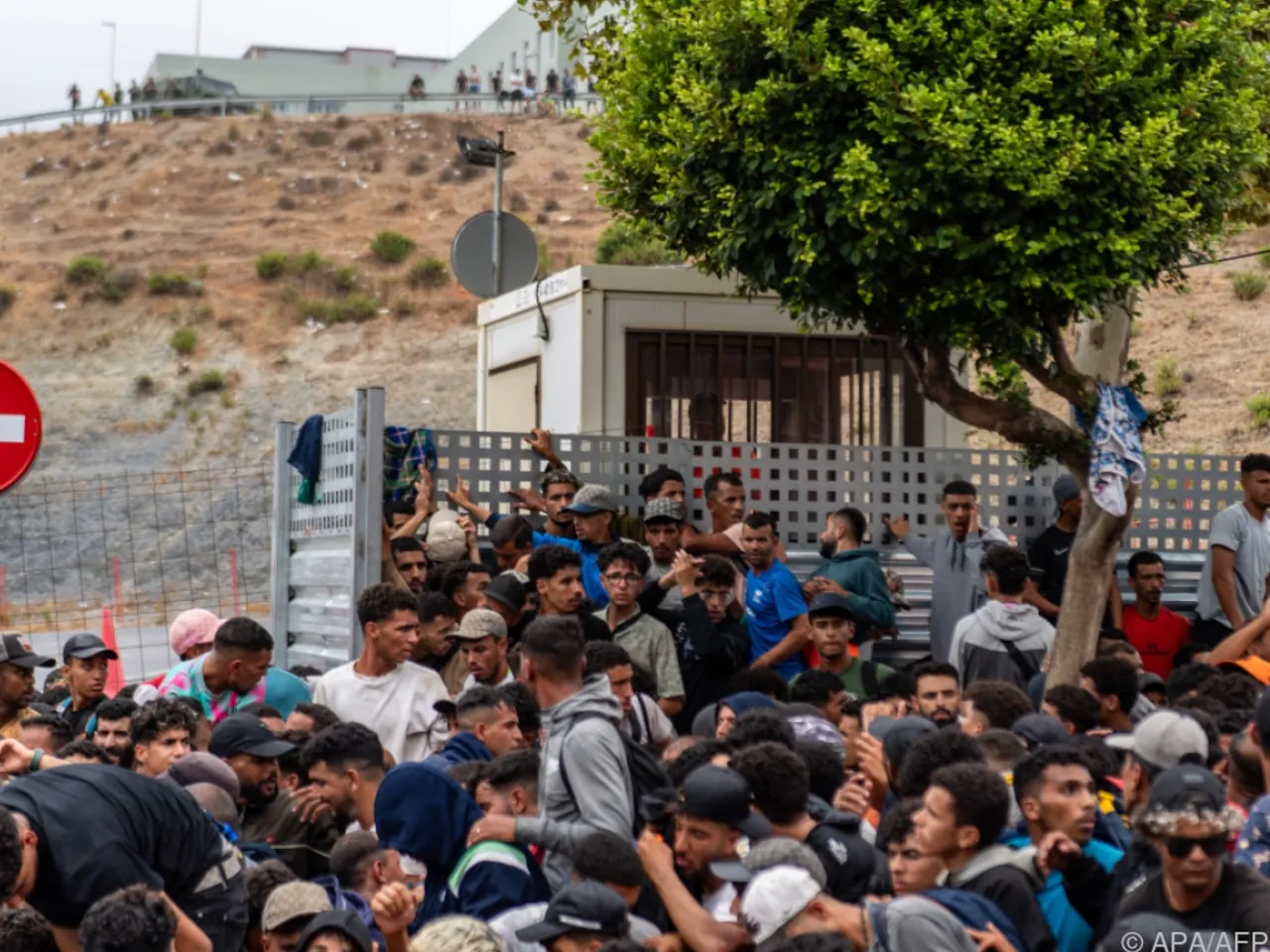
As the situation in Ceuta, a Spanish exclave located on the northern coast of Africa, continues to unfold, it has become a focal point of controversy and tension within Spanish politics and among the European Union. Following an unprecedented surge of over 70,000 migrants attempting to cross into the territory on July 30, the aftermath has seen a precarious balance between migration control and humanitarian considerations. While approximately 90% of those migrants returned to Morocco within 48 hours, a significant number remain trapped in the city, which has a resident population of around 80,000. This ongoing predicament has strained local resources and tested the social fabric of Ceuta, leading to increased tensions and rising violence in the area.
The Spanish government, under Prime Minister Pedro Sánchez, faces mounting criticism for its handling of the situation. Opposition parties have accused Sánchez of being vulnerable to pressure from Morocco, raising questions about Spain’s sovereignty and its ability to manage border security effectively. The European Commission has responded to this crisis by approving nearly €115 million in aid and increasing the presence of the European border agency Frontex in the region, reflecting the growing urgency of the situation.
Political Ramifications and Public Sentiment
In the wake of these events, public sentiment in Spain has turned increasingly critical of the government's approach to migration. Protests have erupted, with demonstrators voicing their discontent not only over the treatment of migrants but also regarding the perceived inadequacies in the government’s broader immigration policy. As the local population grapples with the implications of this crisis, the opposition is leveraging this moment to rally support against Sánchez’s administration, calling for more robust and humane solutions to the challenges posed by irregular migration.
The implications of the Ceuta crisis extend beyond immediate humanitarian concerns, as it reflects a broader European challenge regarding migration and border control. The situation in Ceuta serves as a microcosm of the difficulties faced by many nations in managing migration flows while balancing legal, ethical, and practical considerations. As Europe navigates this turbulent landscape, the need for coherent policies that address both security and human rights remains critical.
As reported by nzz.ch.