
The African football scene is currently grappling with one of the most significant credibility crises in its recent history, following the contentious final of the Africa Cup between Morocco and Senegal. Over two months after the match, the tournament remains without a definitively recognized champion, leading to an unprecedented scenario where the conflict has transitioned from the pitch to the offices and courts of law.
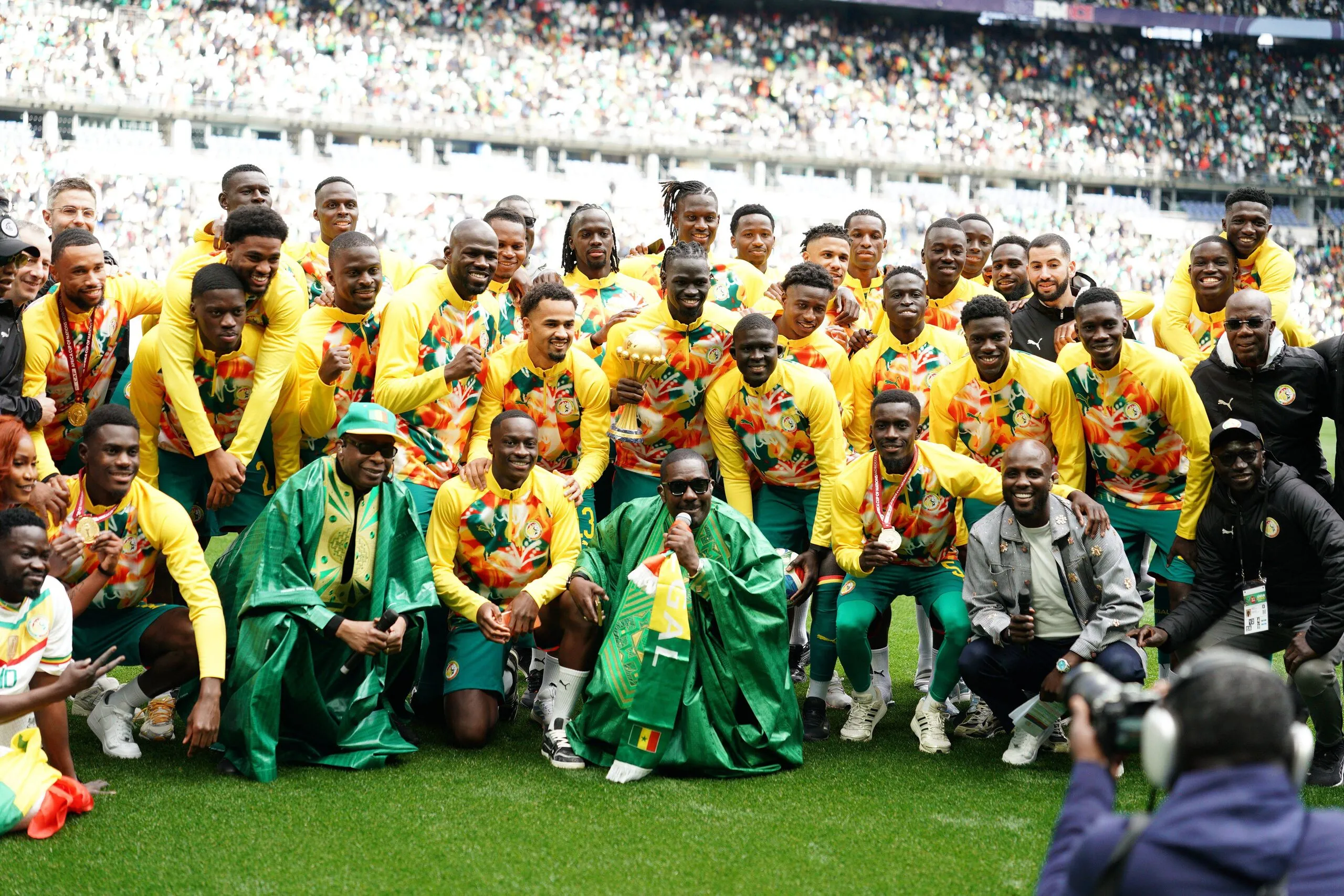
On the field, Senegal emerged victorious in a match fraught with tension. However, the Confederation of African Football (CAF) controversially awarded the title to Morocco, citing a temporary withdrawal of Senegalese players during the match as a violation of regulations. This decision has led to an unprecedented rift within the football community.
As of today, the case remains open after the Court of Arbitration for Sport (CAS) accepted Senegal's appeal, preventing a resolution to the ongoing dispute. The outcome has resulted in a unique situation: two national teams laying claim to the title and a competition devoid of an official champion.
A recent investigation published by the French newspaper Le Monde has introduced new dimensions to the controversy. According to this report, the match was merely the final act of a series of irregularities that began well before the first whistle was blown.
One of the most striking aspects highlighted was the management of accommodation for the Senegalese team. The squad reported being relocated to facilities that did not meet established standards, raising suspicions of potential bias against them. This change in conditions was perceived as an attempt to wear down the African team.
Another critical point raised in the investigation was the shared training complex. Senegal was housed in the same center as Morocco, stirring concerns regarding the confidentiality of their tactical preparations. The potential for espionage or a lack of neutrality in the organization heightened doubts about the tournament's transparency.
Furthermore, the security arrangements for the Senegalese team's stay were also called into question. The report noted deficiencies in the team's protection upon their arrival, as well as imbalances in ticket allocations for the match, contributing to an atmosphere of escalating distrust.
The controversy does not end with organizational issues; the officiating of the final is also under scrutiny. The match's progression descended into chaos, characterized by contentious refereeing decisions, including the disallowance of a Senegalese goal and the awarding of a penalty to Morocco. Tensions peaked when Senegalese players temporarily left the field in protest.
According to the investigation, the referee allegedly received "institutional instructions" to refrain from disciplining players during the interruption to prevent the match from spiraling out of control. This revelation has fueled suspicions of manipulation and cast doubt on the integrity of the officiating.
After the match, the CAF decided to award victory to Morocco due to Senegal's withdrawal, a ruling Senegal deems unjust. The Senegalese Football Federation argues that the match context and preceding irregularities invalidate this interpretation and has taken the case to the CAS.
However, the legal process is progressing slowly. Despite the appeal being accepted, there is still no definitive resolution or clear timeline for a conclusion. Meanwhile, the title remains up in the air, with no official ceremony having taken place.
Beyond the sporting outcome, the impact of this scandal is profound. The image of the CAF has suffered significantly due to doubts about its management and perceptions of impartiality. The revelations from the report have intensified this crisis of confidence at a crucial juncture for the growth of African football on the international stage.
The final between Morocco and Senegal, which was meant to be a celebration of the sport, has instead become a symbol of disorganization and institutional conflict. The sentiment that the match was decided off the field has resonated deeply with the public.
As of now, the African continent continues to await a resolution that will determine the true champion. Yet, beyond the final decision, this case will mark a turning point in the tournament's history. The management of this conflict will be vital for restoring the lost credibility. Without a clear and transparent response, the Africa Cup risks facing challenges to its prestige for years to come. Meanwhile, the final remains unresolved, and African football finds itself trapped in an unprecedented state of uncertainty.
As reported by libertaddigital.com.