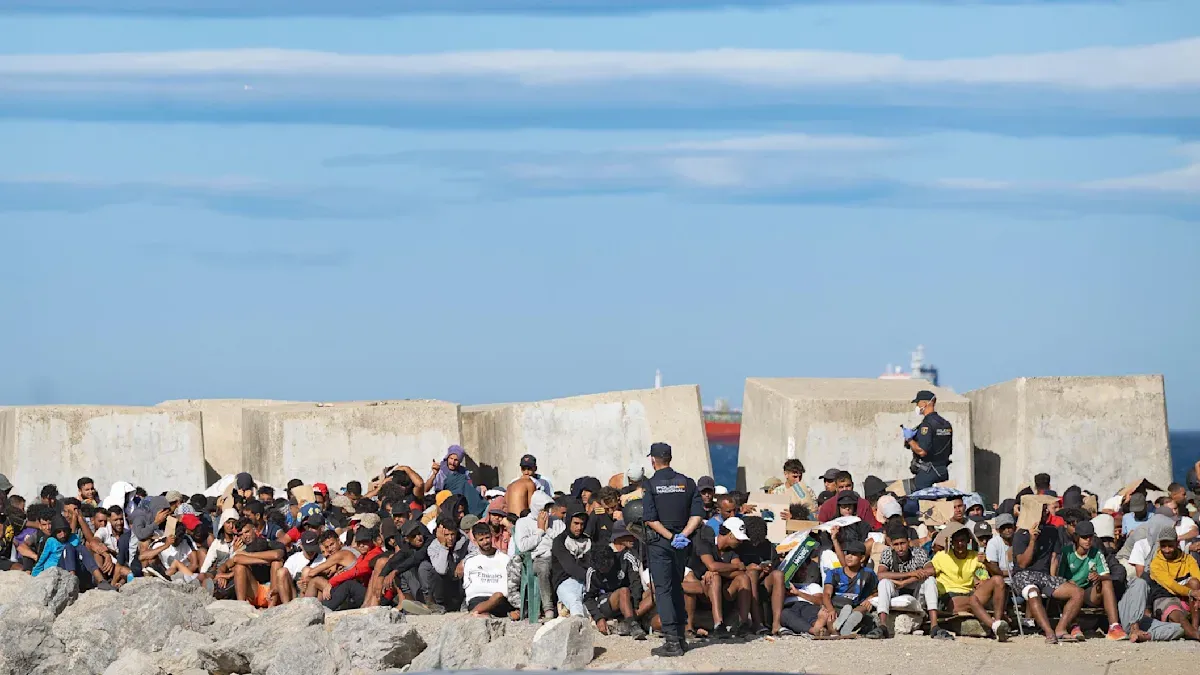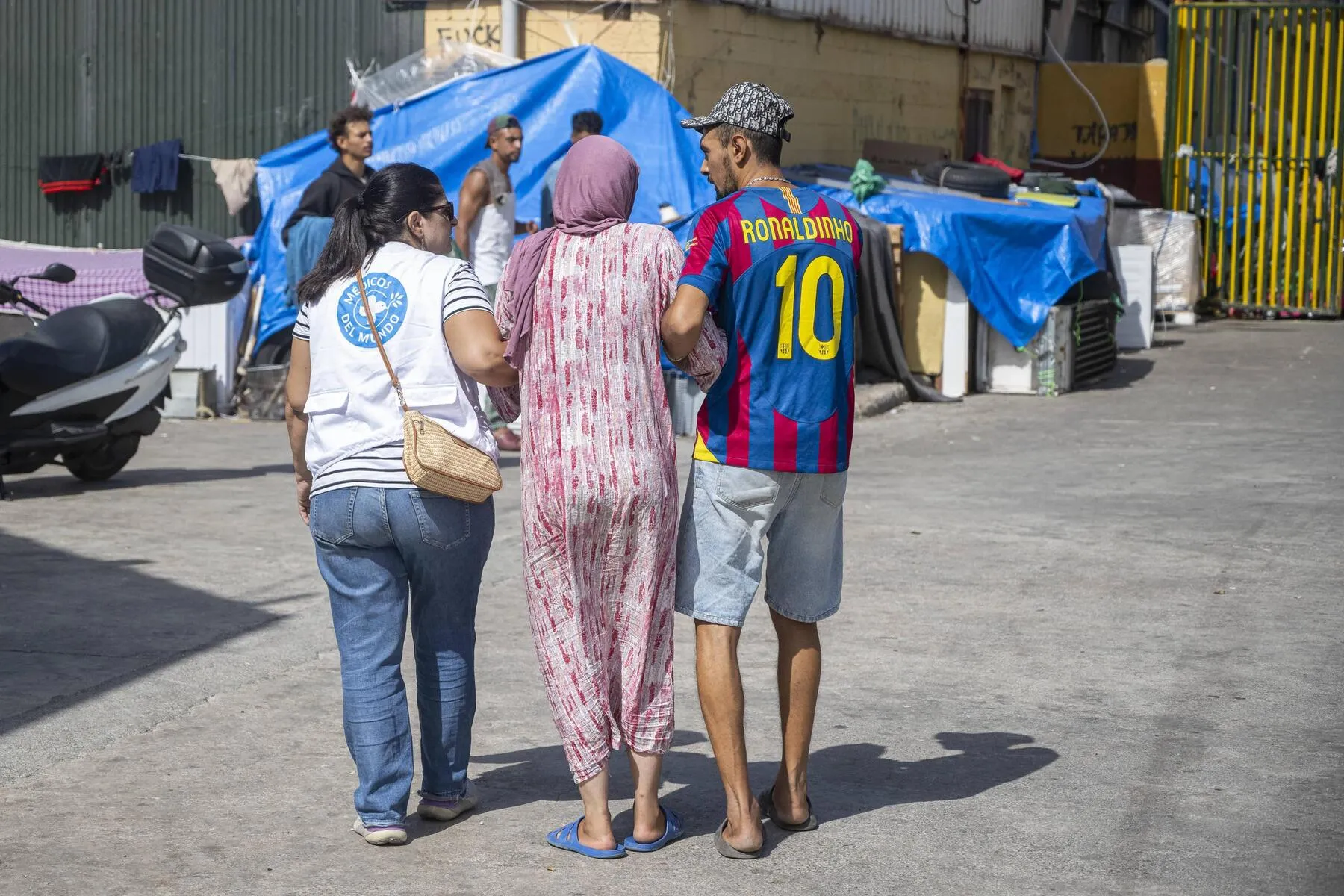

The situation in Ceuta epitomizes the profound failures of European migration policy, illustrating not only a political crisis but also a looming economic disaster. After a surge of over 80,000 migrants stormed the border in late July, the narrative in Europe has shifted. While a significant number of these migrants have returned to Morocco, the media in Spain continues to highlight the ongoing turmoil in this small enclave with a population of merely 85,000. Reports indicate that between 5,000 and 11,000 migrants still remain, and the escalating circumstances threaten to destabilize the Spanish government.
This issue is not confined to the Iberian Peninsula; it reflects a broader European dilemma. For the past month, Ceuta has been a focal point of discussion, revealing the glaring shortcomings of the EU's migration strategy. Key problems include inadequate border control, an inability to manage the influx of irregular migrants, and a muddled understanding of asylum versus economic migration. Spanish Prime Minister Pedro Sanchez has been criticized for his inaction, opting to avoid confrontation and hoping the matter would resolve itself during his holiday in the Canary Islands. Meanwhile, reports indicate that smugglers are charging wealthier migrants up to $6,000 to transport them from Morocco to mainland Spain. The situation has escalated to the point where these individuals are now here, and the response appears to be one of resignation.
The implications are dire, not just politically as they fuel the rise of far-right sentiments in Spain, but also economically, as Europe grapples with an aging population that necessitates migration to sustain its social and economic systems. However, the current situation in Ceuta is not the type of migration Europe needs or can effectively manage. If there were genuine political will to address the European migration crisis, Ceuta could serve as a perfect example of how to do so. Morocco, classified as a safe country by the EU, should not be a source of refugees except under clearly defined circumstances. Yet, the discourse has shifted, as even centrist publications refer to migrants as 'invaders,' and the left no longer frames the issue in terms of 'refugees.'
Importantly, legal avenues for migration exist between Spain and Morocco, including seasonal work permits for agriculture and work visas for those with job offers. Ferries from Algeciras and Tarifa to Tangier are filled with Moroccans visiting home, who are legally employed in Europe. Additionally, Spain has agreements with Morocco to return illegal entrants, though these are complicated by a recent court ruling mandating individual asylum procedures for all arriving by sea.
Consequently, individuals who force their way across the border cannot simply be returned, even though there are legitimate channels available for those seeking to work. Highly skilled migrants face a significant disadvantage: if they lose their jobs, they must return home, while those who arrive illegally often remain and access various humanitarian residency permits, heavily burdening the social systems of host countries. This scenario represents a flawed approach to migration that Europe has largely adopted, leading to a situation where the majority of asylum seekers do not contribute positively to the labor market.
In cases of genuine humanitarian assistance, economic or social benefits should not be a criterion, but in the realm of migration, they must be considered. Research, particularly from Denmark, shows that migrants who come to work contribute positively to the economy over their lifetimes through taxes and contributions, except for those from the MENAPT region (Middle East, North Africa, Pakistan, and Turkey), who tend to draw more from the state than they contribute. This aligns with findings from studies conducted in the Netherlands and by the German Foundation for Market Economy.
Rather than responding to such evidence, policymakers often dismiss the findings as 'racist' and continue with ineffective practices. This results in a heavy strain on social systems, particularly as the majority of asylum migration originates from this problematic area, with a significant literacy gap among incoming migrants. The labor market participation rates among key groups, such as Syrians, Afghans, and Somalis, remain below 50%, exacerbating the challenges faced by social welfare systems.
The migration crisis as seen in Ceuta severely impacts social systems and offers little to the labor market. Europe serves as a glaring negative example, yet it retains its allure for migrants. The question remains: can European leaders truly find the will to disentangle asylum from migration, manage migration effectively, and maintain humanitarian principles without acting as a global welfare provider?
There are successful models to draw from, but this requires stepping down from moral high grounds to confront the reality of the situation. Yes, this may lead to uncomfortable scenarios, as Morocco cannot be held responsible for Spain's border protection any more than Libya can be for Italy's or Turkey for Greece's. European border states must take responsibility. Failure to do so risks the collapse of already fragile social systems and could lead Europe further down a path of right-wing extremism. Unfortunately, the situation in Ceuta does not suggest that European officials are fully grasping the urgency of this crisis.
As reported by diepresse.com.