
Understanding the Challenges Faced by Ceuta
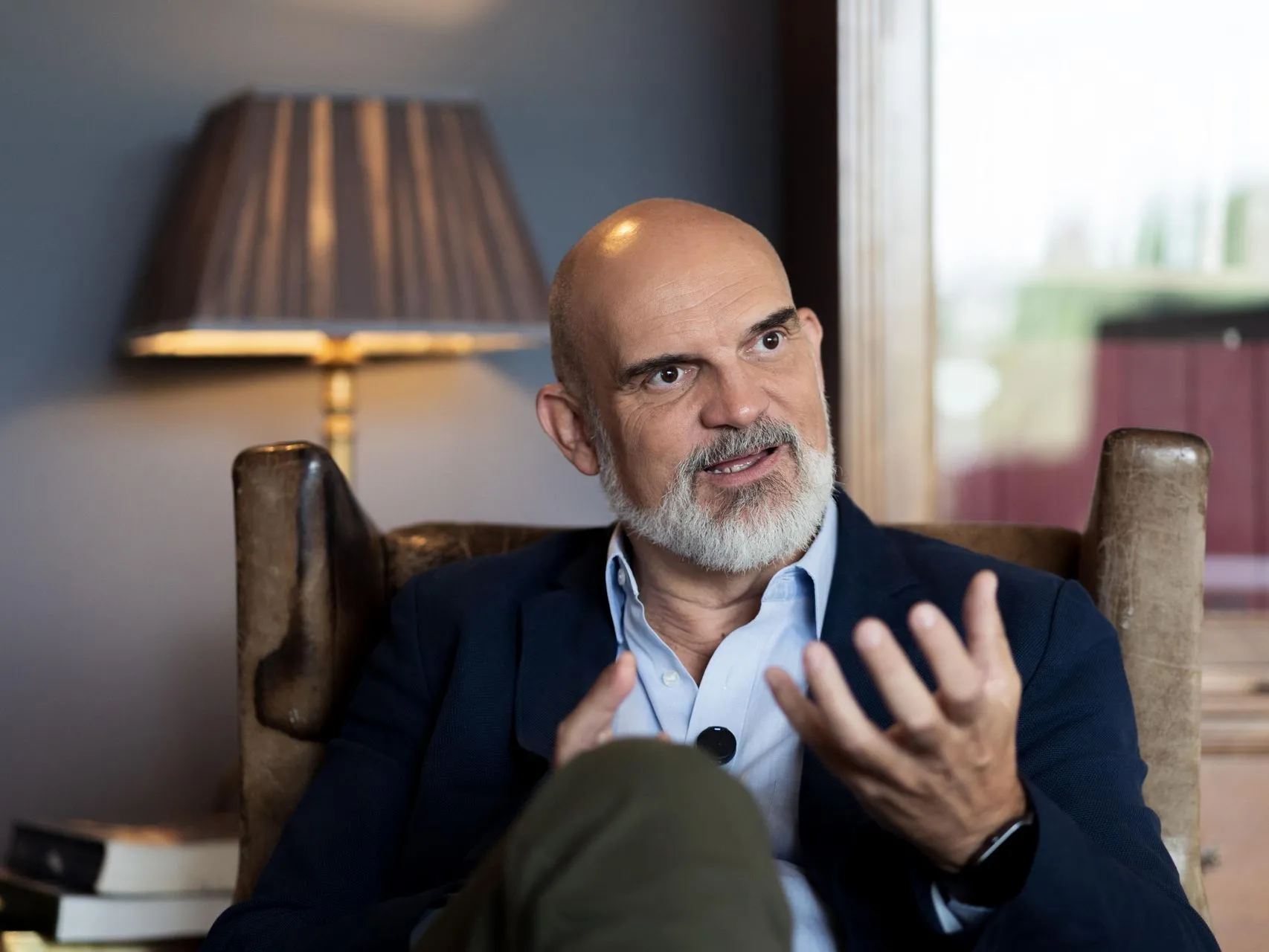
Víctor Sánchez del Real, born in 1969 in Ceuta when it was still part of the province of Cádiz, reflects on the historical and political context of his hometown. He recalls the leadership of Juan Jesús Vivas, whom he describes as a "mayor without resources," and ponders whether Ceuta would have more means today had it remained part of Andalucía. He is a co-founder of the political party Vox and served as a deputy in Badajoz until 2023. Now returned to the consulting world, he expresses a longing for a strong conservative and liberal movement that can encompass a broader segment of the population. He laments the diminished emphasis on these ideals within what were once considered right-wing parties.
In a recent interview at his home in Madrid, Sánchez del Real discusses his life experiences, which have seen him move frequently due to his father’s military career. Despite living elsewhere, Ceuta remains close to his heart. It was there that he embarked on significant ventures, such as the now-defunct Mediterranean Business School located in the Murallas Reales. This institution aimed to bring together local and Moroccan entrepreneurs with esteemed professors from Madrid, aspiring to transform Ceuta into "the Bilbao of Africa." Unfortunately, he observes that his beloved city has increasingly isolated itself, and after over two months of what he calls the "Spanish-Moroccan war of July," he notes that the residents are experiencing a level of isolation reminiscent of the COVID-19 pandemic.
Ceuta's Isolation and Political Implications
During the interview, Sánchez del Real provides a sobering assessment of the current mood in Ceuta, a city of roughly 83,000 inhabitants, which also has many expatriates. He describes the spirits of the people as exhausted yet resilient, as they bravely speak out against the challenges they face and assert their identity without fear. He criticizes the narrative crafted by politicians, emphasizing that for the people of Ceuta, the situation is one of survival and a defense of their Spanish identity.
With the ongoing geopolitical tensions, Sánchez del Real warns that Ceuta is facing an unprecedented level of abandonment. He argues that the city’s isolation is more severe than that of Melilla, a slightly more dynamic city, due to its lack of an airport and the neglect from successive Spanish governments. He believes that this neglect is part of a broader plan that has allowed Morocco to exert more influence over Ceuta. The strategic significance of Ceuta, often referred to as a "chokepoint" in global geostrategy, is being overlooked, and he expresses concern for its future as a part of Spain.
As the conversation progresses, Sánchez del Real touches on the implications of recent events, suggesting that the phase of invasion has transitioned into one of destabilization. He warns of the potential for more organized groups to infiltrate Ceuta, including jihadists, which he believes could exploit the current chaos. He highlights a lack of governmental investigation into these issues, asserting that the Spanish government is not adequately addressing the threats posed by Morocco and other unidentified actors.
Reflecting on the management of the situation, he critiques the leadership of Vivas, arguing that the mayor is also responsible for the political decisions that have led to Ceuta's current state. He suggests that had Ceuta remained part of Cádiz, it might have benefited from greater resources to handle its challenges. The need to rethink the governance model of Ceuta is evident; the city cannot continue to be treated as a medieval fortress left to fend for itself.
Finally, Sánchez del Real voices his disappointment with the European Union’s lack of support for Ceuta during this crisis, stating that Europe must be reminded of its obligations and responsibilities towards its borders. He concludes by discussing various political issues, including the controversial "law of grandchildren," and how it reflects broader electoral manipulation trends within democracies.
As reported by elespanol.com.