
The Decline of Political Islam in the Maghreb: Electoral Boxes Reveal the Illusion of the 'Alternative Project'
The rise of political Islam in the Maghreb region following the events of 2011 was not merely an end to the region's crises, but rather the beginning of a political test that has, over the years, illuminated the limitations of the ideologically-driven parties and their capacities to transform ideological discourse into a governance model that effectively meets the people's demands. As the initial wave of political ascent receded, the experiences of Morocco, Tunisia, and Algeria unveiled a disparity in trajectories, yet all demonstrated the challenges faced by political Islam in reconciling its ambitions with years of power struggles over authority, influence, and electoral legitimacy.
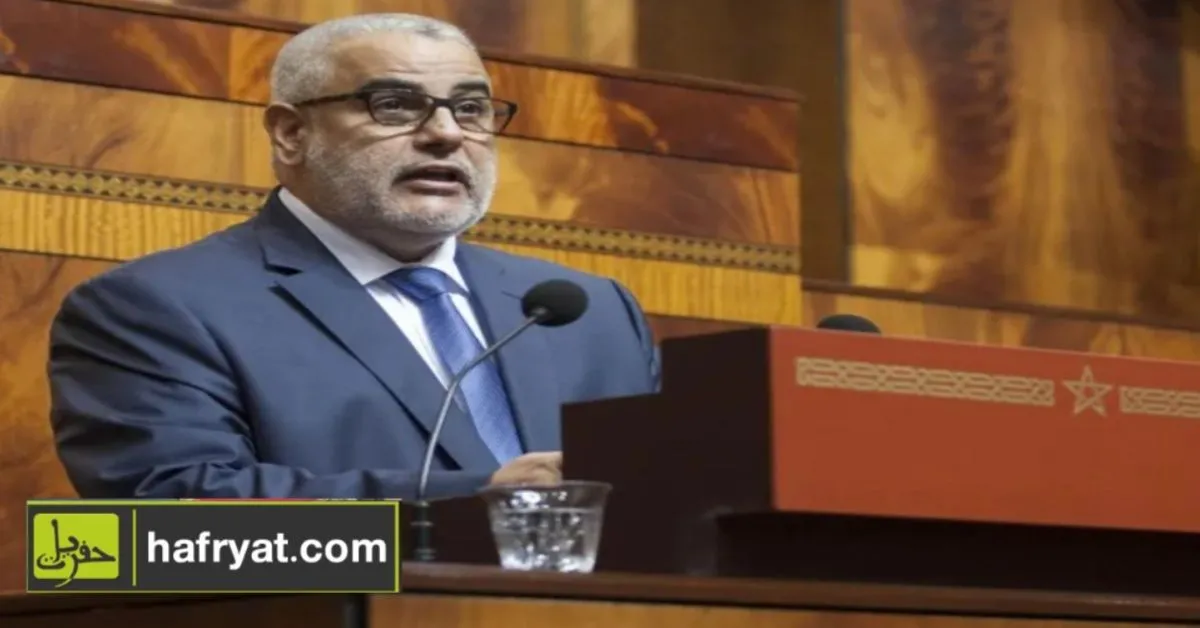
In Morocco, the Justice and Development Party (PJD) endeavored to reclaim a portion of its political presence after a significant electoral decline, managing to increase its seats to 54 after plummeting to just 13 in the previous election. However, this figure still falls short of the party's peak performance, where it secured 107 seats in 2011 and 125 seats in 2016, during which it attained the role of head of government. These statistics suggest that the recovery of some parliamentary seats does not equate to a restoration of the party's lost influence. This trajectory brings to the fore the experience of Abdelilah Benkirane and the PJD, which initially entered government under the banner of change, anti-corruption, and a promise of a different management style in public affairs. Yet, the governance experience itself has become part of the party's political legacy, indicating that mere slogans are insufficient to persuade Moroccan voters to revert to a previous dominance. Even with improved results, the party remains unable to reclaim the numerical and political strength necessary to replicate its governmental experience.
In Tunisia, the outcome for political Islam appears even harsher. The Ennahda Movement rose to power following the 2011 elections, capitalizing on the opposition sentiment against the Ben Ali regime and a political and social landscape in search of an alternative. However, years of participation in governance and political coalitions failed to maintain the same electoral support; reports indicate a decline in the movement's voter base from approximately 1.5 million in 2011 to about a third in the 2019 elections, coinciding with rising unemployment, declining purchasing power, and increasing public discontent regarding economic and social conditions.
This scenario reveals the gap between the rhetoric of political Islam and the realities of actual governance. While opposition allows for the raising of slogans and promises, governance exposes the parties' abilities to manage the economy, public services, state institutions, and to be accountable for the outcomes. In Tunisia, the transition from opposition to governance has become a prolonged test for Ennahda, culminating in significant erosion of its electoral and political capital.
Algeria bears a more violent memory concerning political Islam. In the 1991 elections, the Islamic Salvation Front achieved a sweeping majority before the electoral process was annulled, plunging the country into a bloody civil war. Despite the distinct context in Algeria compared to the Moroccan and Tunisian experiences, this period remains a crucial aspect of the discourse surrounding political Islam's relationship with the state, the democratic process, and the limits of power struggle.
Collectively, these experiences indicate that political Islam has struggled to maintain the image cultivated during the post-2011 era, when it presented itself as a viable political alternative capable of blending religious reference with political activity and state management. As it transitioned from opposition seats to positions of power, the dissonance between slogans and the harsh realities of economic management, governance, and societal challenges became apparent, leading electoral bases in several instances to reassess their allegiances.
The PJD's partial return to parliamentary seats does not signify a full revival of political Islam's momentum, nor do the differing paths of Morocco, Tunisia, and Algeria permit a simplistic categorization of the three countries’ experiences. Nonetheless, the data and facts outlined suggest a clear trend: the previously significant surge of political Islam in the Maghreb is no longer in effect as it was over a decade ago, while the experiences of governance and political struggle have become burdens that religiously-oriented parties cannot overlook.
Consequently, the challenge facing political Islam has evolved beyond merely competing with electoral rivals; it now encompasses the defense of a complete political experience. When slogans are tested within state institutions, the economic and social outcomes, as well as the ability to manage disputes and maintain voter trust, become far more impactful than ideological rhetoric. In the Maghreb, it appears that electoral boxes are now recording, through varying figures from one country to another, the extent of the distance between the promises that accompanied the rise of political Islam and its standing after years of public engagement.
As reported by hafryat.com.