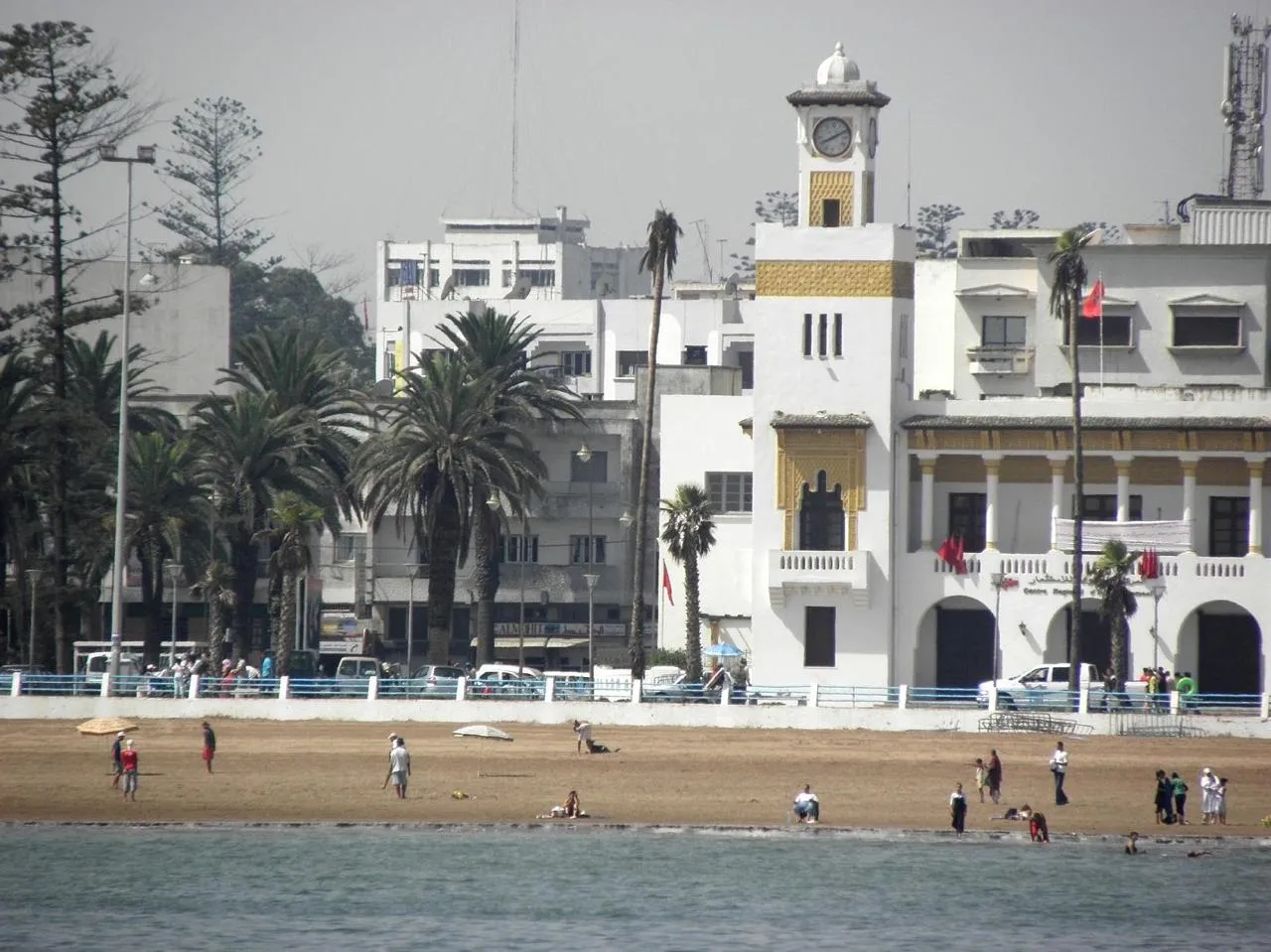

Understanding the Shift in El Jadida's Coastal Tourism
The coastal city of El Jadida, once a beacon of tourist attraction in Morocco, is undergoing a significant transformation, as highlighted in a recent series of investigations into its beaches. This analysis seeks to unpack the current state of the coastal strip, identifying both strengths and weaknesses while exploring the reasons behind the stagnation of numerous projects. Despite its natural beauty, only a handful of its beaches have managed to assert themselves in the national tourism map. The competition for attracting visitors is no longer solely dependent on natural beauty; it now hinges on the quality of services, the cleanliness and safety of public spaces, modern infrastructure, cultural and entertainment offerings, effective transport systems, and environmental respect. These factors have begun to shape the choices of both Moroccan and foreign tourists more than the mere allure of nature alone.
El Jadida was, until a few years ago, one of the most sought-after summer destinations for Moroccans, especially those coming from Casablanca, Settat, Khouribga, Marrakech, and Safi. The beaches would be packed from early July, and hotels and rental apartments would report full occupancy weeks ahead of peak season. However, recent years have unveiled a stark shift in Morocco's summer tourism landscape. Newer cities have emerged, successfully attracting thousands of visitors through substantial investments in their tourist infrastructure, while El Jadida has remained stagnant, relying solely on what nature has provided without evolving to meet human needs.
The Beautiful Beach and the City’s Struggles
It is undeniable that El Jadida possesses rare natural assets. The city’s beach stretches alongside a diverse urban fabric and is surrounded by historical landmarks dating back to the Portuguese era, with the corniche being one of the most beautiful open spaces overlooking the Atlantic Ocean. Just minutes from the city center, visitors can find beach resorts like Sidi Bouzid and Houzia, with Oualidia not far to the south, providing a diverse tourist offering that combines open beaches, natural coves, and coastal lakes. Ideally, this diversity should have positioned El Jadida as the capital of coastal tourism in the Casablanca-Settat region. Unfortunately, the reality reveals that its natural potential has not been matched by appropriate investments and infrastructure development capable of leveraging these assets.
While other Moroccan cities have revamped their waterfronts, enhanced public spaces, attracted major hotel brands, and developed cultural and entertainment offerings, El Jadida has largely depended on its historical and natural heritage for its appeal, without corresponding improvements in service quality. The city’s beach is indeed beautiful, characterized by its soft sands and proximity to residential areas, making it a favored location for thousands of families. However, a brief stroll between the corniche and the streets leading to the beach exposes a painful paradox: while the sea offers a bright image, parts of the city suffer from conditions that do not align with its status as a tourist destination that is supposed to welcome hundreds of thousands of visitors each summer.
Issues such as litter in certain areas detract from the overall aesthetic, while numerous sidewalks and public spaces require maintenance and upgrading. Residents have voiced complaints about the inadequate care for green spaces during the peak tourist season. Furthermore, the occupation of public property remains one of the city's biggest challenges. Some sidewalks transform into makeshift commercial areas during the summer, with tables, chairs, and stalls encroaching on pedestrian pathways, hindering foot traffic and affecting the aesthetic appeal of the waterfront. Community activists emphasize that seasonal cleanup campaigns, while important, are insufficient to address these issues unless they evolve into a permanent policy that enforces strict adherence to regulations.
Years ago, El Jadida's summer evenings would extend into the late hours, with public squares and the corniche hosting concerts and artistic performances that attracted families and generated economic activity benefiting all. Today, many stakeholders feel that the city has lost a significant part of this vibrancy. Existing entertainment programs, if any, are limited in duration and impact, failing to meet the expectations of a city that ranks among Morocco's top coastal destinations. Café and restaurant owners note that tourists no longer settle for just swimming; they seek a complete experience that includes culture, entertainment, sports, and shopping—elements that have become essential criteria in the competition among tourist cities.
Observers point out that many coastal cities have successfully transformed their summer seasons into open festivals lasting for weeks, while El Jadida remains in need of a new vision that would turn its public spaces into lively platforms rather than mere transit areas. The corniche, once the heartbeat of El Jadida, now requires comprehensive rehabilitation, not just in terms of facilities but also regarding visual identity, lighting quality, street furniture, green spaces, and the organization of commercial and entertainment activities. Urban planners and engineers believe that the waterfront possesses all the elements to become one of the most beautiful corniches in Morocco, but this requires an integrated project that goes beyond sporadic works, reimagining the relationship between the city and the sea while providing visitors with a comprehensive experience from arrival to departure.
While the beach of El Jadida retains its natural beauty, economic indicators related to the summer season reveal a different reality. The city, which once welcomed tens of thousands of vacationers weekly, no longer sustains the same momentum, directly impacting various economic activities linked to tourism. A visit to the main squares, streets, and neighborhoods near the beach highlights a scene that was unfamiliar just a few years ago. Men and women stand at the entrances of alleys holding keys to rental apartments, waiting for customers whose numbers have noticeably declined. They approach every car bearing a license plate from outside the region, offering varied prices, only to retreat after being met with polite refusals from families that have chosen other destinations or opted for brief visits without overnight stays. This daily summer scene underscores the profound changes in the city's accommodation market.
What was once a struggle to find a rental during July and August has become a surplus of supply over demand during many periods, forcing some owners to lower prices to maintain minimum income levels. This situation extends beyond rental apartments to the classified hotels, which now face unfair competition from unregulated accommodation options amidst the proliferation of thousands of apartments operating without clear organization and in violation of tourist regulations. Industry professionals highlight that this scenario raises significant concerns, as it creates unfair competition, deprives municipalities of vital tax revenues, and tarnishes the city’s image—especially when some apartments become spaces that disregard legal or ethical standards, damaging El Jadida’s reputation as an ideal family destination.
In the beachfront cafés, the same complaints repeat. The number of customers does not match capacity, and daily revenues sometimes fail to cover rising operational costs, particularly with the increase in raw material and energy prices. Restaurant owners echo this sentiment, noting that while business picks up during weekends, it remains limited throughout the rest of the week, contrasting starkly with previous years when the city enjoyed a continuous tourist season from late June to mid-September. Small traders, sellers of traditional products, and ice cream shop owners all agree that the decline in visitor numbers has directly impacted their sales, which once thrived during the bustling summer months.
As reported by alittihad.info.