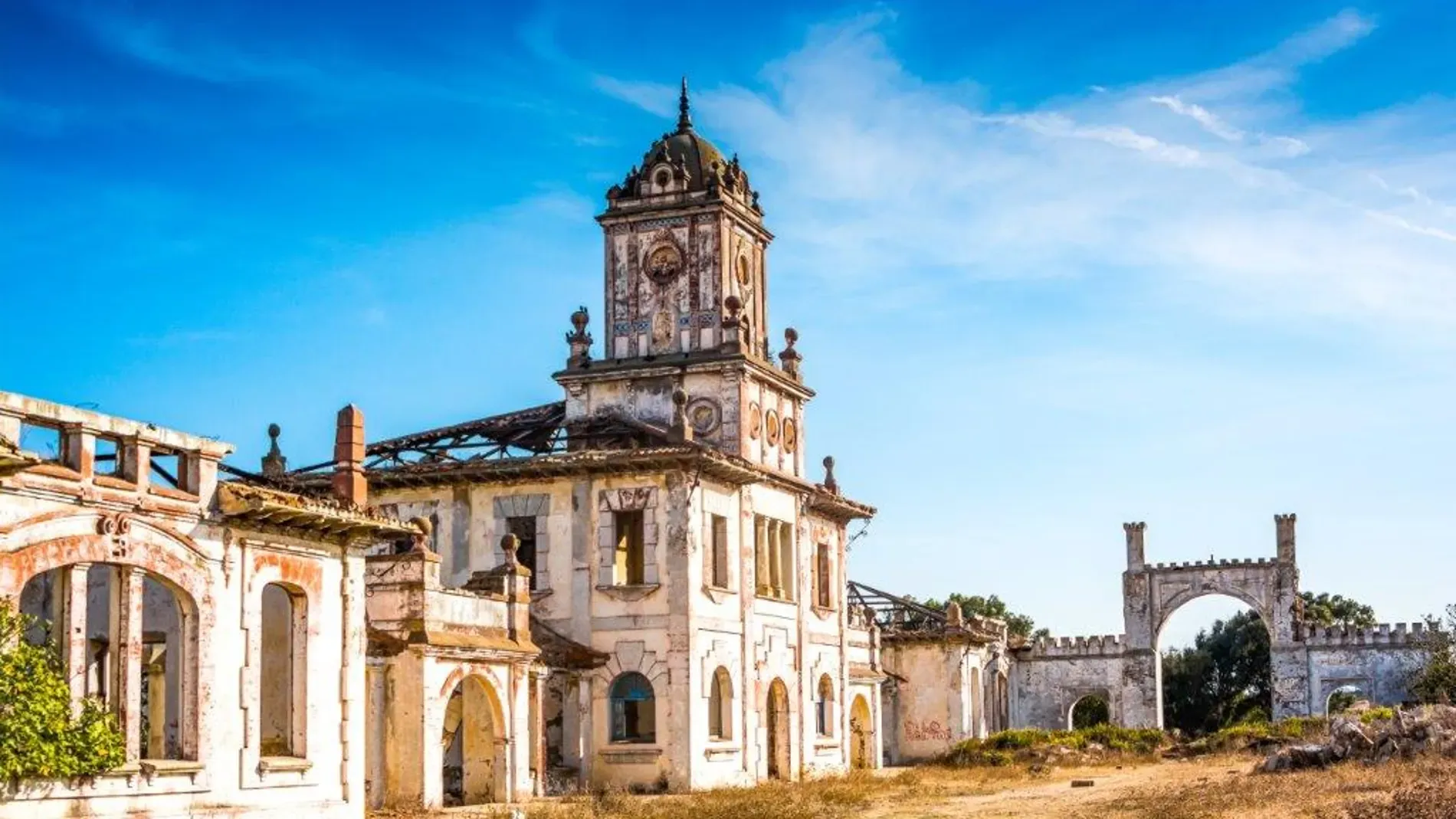
The Historical Context of Dar Riffien
The fall of the French at Dien Bien Phu in 1954 marked a significant turning point, signaling the decline of colonial empires. Just two years later, France relinquished its Protectorate in Morocco, a move that drew Spain into the fray. At precisely 6:00 AM on April 7, 1956, a joint declaration was signed in which Spain recognized the independence of the Alaouite kingdom. This pivotal moment initiated a gradual withdrawal from Morocco, culminating in the handover of the last Spanish military enclave. On February 28, 1961, the IV Bandera departed from Dar Riffien, the birthplace of La Legión, leaving the site in the hands of the Royal Moroccan Forces. This transfer marked not only the loss of the Dar Riffien barracks, a structure of immense historical and architectural value from the Protectorate era (1912-1956), but also the erasure of a significant chapter in Spain’s military history.
The Recent Demolition and Its Repercussions
Recently, the Moroccan government ordered the demolition of the Dar Riffien barracks, which had stood as an emblem of the region's past for decades. This decision has sparked outrage across social media platforms, with many expressing their indignation at the loss of such a historical site. Despite the potential for Spain to have retained ownership and preserved this enclave, it seems that other unique properties, such as the Pabellón de Las Heras in Ceuta, face similar neglect, risking ruin without intervention from the Ministry of the Interior. The Spanish government’s failure to protect historical sites raises questions about its commitment to preserving the legacy of La Legión and its connections to Spain’s historical presence in North Africa.
The barracks at Dar Riffien had fallen into disrepair since coming under Moroccan control, with little care afforded to its maintenance. Once a miniature city brimming with life—featuring spacious dormitories, dining halls adorned with marble tables, classrooms, libraries, and recreational facilities—the barracks were inaugurated by King Alfonso XIII on October 5, 1927, with Queen Victoria Eugenia presenting a flag during the ceremony. The first commander of this significant installation was a young Francisco Franco, who would later play a crucial role in Spain's tumultuous history.
Veterans of La Legión express profound sorrow over the loss of a site that is integral to their foundational history and to Spain’s military legacy in North Africa. According to sources from the Plataforma Patriótica Millán Astray, the events exemplify a lack of interest among Spanish authorities in preserving the memory of La Legión, indicating a misplaced priority in removing Franco’s name from the I Bandera rather than safeguarding this cultural heritage. Following a recent ruling by the National Court against their desire to retain the Bandera Comandante Franco, former members of the Tercio now face yet another affront to their traditions.
As the sun sets over the site of what was once the Dar Riffien barracks, only memories remain, preserved in photographs and videos on platforms like YouTube. The area has been transformed, with new developments such as the Alcudia-Smir complex offering panoramic views of Ceuta and the surrounding landscape. Yet, the legacy of Dar Riffien as a beacon of Spain's military history is irrevocably lost, leaving behind an emptiness where once stood a vibrant hub of military life and camaraderie.
As reported by larazon.es.