
There is a well-known adage that states, "No media outlet, no matter how powerful or skilled, can market a beautiful image of a political system if the people living under that system are experiencing a harsh and bitter economic and social reality." I began this discussion with this saying as an opinion and analysis, but it quickly transformed into a glaring truth as evidenced by recent events that illustrated this disconnect through the most powerful language possible: the language of actions, tears, and the souls lost in a desperate escape that was not merely a fleeting movement, but rather a stark testament that separates what is said from the podiums and what is experienced in the streets and public squares.
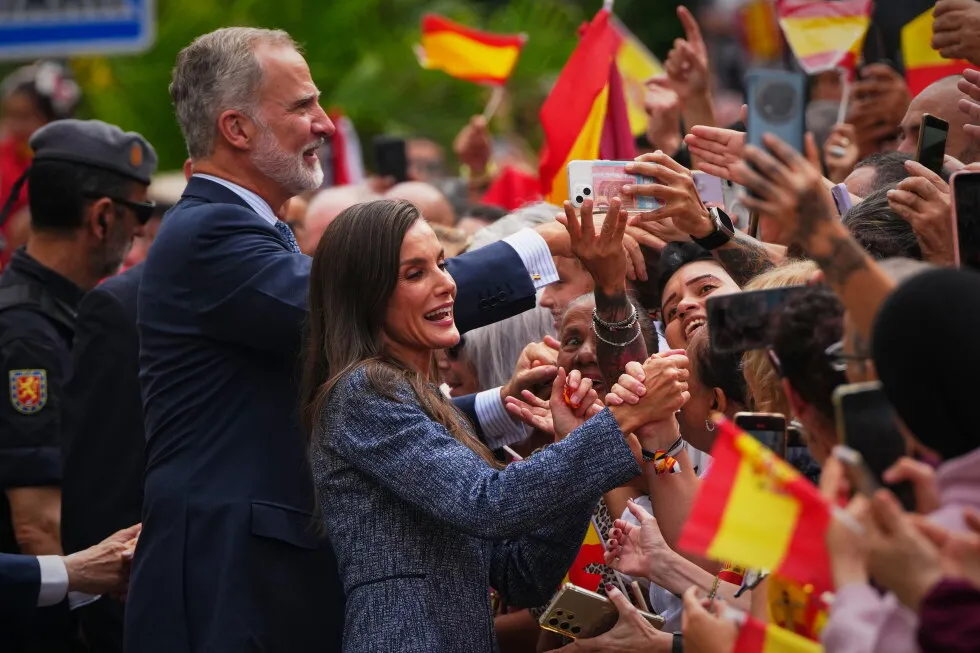
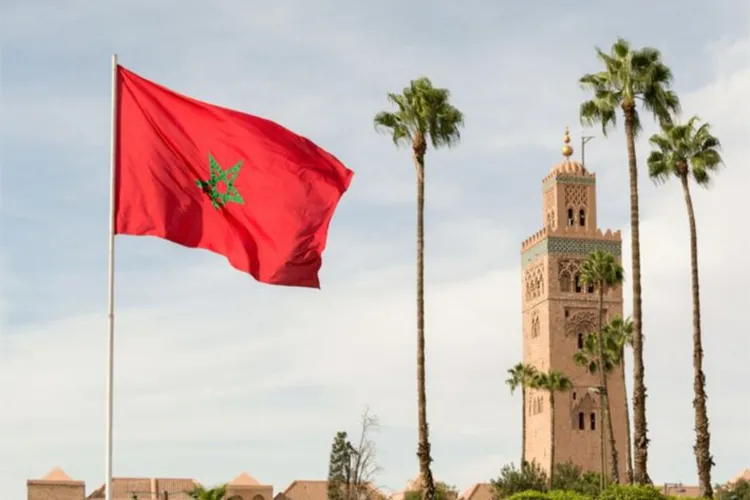
In the final days of July 2026, specifically the day after the Throne Day speech in which King Mohammed VI of Morocco referred to his country as a "oasis of stability" and spoke extensively about "economic achievements, growth, and prosperity," tens of thousands of Moroccan citizens from various ages—men, women, and children—dove into the sea and climbed walls towards Spanish Ceuta, fleeing the alleged "prosperity" that was proclaimed.
Simultaneously, an unfortunate incident occurred in Algeria where a bus overturned in a deep ravine in the Boumerdes region, prompting an entirely different reaction: immediate condolences from high authorities, a national mourning period of three days, and unprecedented official and popular solidarity.
Thus, these two incidents converged in the same week to reinforce a fundamental difference in how the citizen is treated: one perspective views them as "children of the nation" deserving of empathy, while the other regards them as "subjects" who do not merit condolences if they stray from obedience.
When People Dared the Sea and Scaled the Walls
The events of July 30 and 31, 2026, in the Kingdom of Morocco marked a turning point in the relationship between the state and society. Within a few hours, a massive wave of collective crossings towards Ceuta emerged, with Moroccan authorities estimating the number to exceed seventy thousand individuals, while Spanish sources indicated that nearly seventy-two thousand managed to reach the destination in less than forty-eight hours. Although the precise numbers of victims and missing persons remain disputed among sources—ranging from eleven dead according to Moroccan interior ministry data to one hundred and thirty according to independent human rights sources—it is certain that innocent lives were lost, families mourned their loved ones, and a painful scene repeated itself, where people ventured into deep waters knowing that death could await them, yet they chose to risk it over continuing in a reality devoid of hope.
Here, the complete disconnection between official discourse and lived reality becomes evident. While the King spoke in his address about "comprehensive development, positive indicators, and an advanced Morocco," tens of thousands of citizens responded through their actions rather than words, stating, "We do not see the prosperity you speak of... We live in despair, poverty, and deprivation, and all we want is a chance at life even if it costs us the risk of crossing through death."
The Moroccan authorities hastily attributed the event to "misleading rumors" that spread across social media, claiming that a Spanish court ruling allowed anyone who reaches Ceuta by swimming not to be turned back. While it is true that this rumor ignited the situation at that specific time, it is a grave mistake to attribute the phenomenon entirely to mere falsehoods that circulated within minutes. Rumors do not mobilize people on such a massive scale unless fertile ground exists that is ready to respond, believe, and take risks for it. That fertile ground is precisely what we referred to in our main statement: the dire economic and social conditions, youth unemployment rates approaching forty percent, insufficient wages to meet life's demands, and the absence of hope for future change or a better tomorrow.
The Silence of the Authorities on the Victims
Moreover, the issue was not limited to disbelief in the discourse; the official stance of the authorities towards the victims deepened the chasm even further. In a scene that sparked widespread outrage in Moroccan popular and human rights circles, the king, the prime minister, and all ministries refrained from issuing any statement of condolence or announcing a national mourning period for those who lost their lives. Instead of expressing to their families, "Our condolences to you... you have lost your children, and we share your pain," the official discourse adopted a language of blame and accountability, describing the event as a "violation of the law" and a "victim of rumors and external incitement," as if those who drowned in the sea or fell from the wall deserved to die for disobeying orders and believing in rumors.
Such silence from the regime in offering condolences is not a trivial stance or a passing error; rather, it is a calculated decision with deep-seated reasons that reveal the essence of the crisis. First: Offering condolences implicitly acknowledges that these individuals died victims of a brutal reality that drove them to flee, rather than merely victims of a rumor. Acknowledging that would serve as a formal indictment of the policies that led to this widespread despair. Secondly: The timing was so impossible and embarrassing that it is hard to believe; how could the king express condolences the very next day to those who fled from the "prosperity and achievements" he spoke of in his address just yesterday? Such a stark contradiction cannot be justified or explained to public opinion, and thus silence was deemed the lesser of two evils from the perspective of the authorities, even if it was more painful and provocative for citizens.
Consequently, instead of saying, "We bear your responsibility... we mourn with you and show solidarity, then we will investigate the causes and hold those accountable who fell short," the authorities chose to convey through their silence and cold official language: "You are the ones who made a mistake... there are no condolences for those who violated the law." Herein lies the painful paradox: they died fleeing their reality, not in a war or battle, yet they find no one to mourn them in their homeland which they tried to escape.
The Moroccan regime chose silence and to place the blame for their deaths on the victims, rather than acknowledging its errors and facing the reality of its people with honesty and courage. In contrast, the Algerian authorities opted to offer condolences, declare a period of mourning, and empathize with the victims of the bus overturning in Boumerdes before seeking accountability. Thus, the stark difference appeared between those who see citizens as partners and owners of the nation and those who view them as subjects who deserve respect only to the extent of their obedience. This scene will remain a testament that deception in politics and claiming prosperity where poverty reigns does not endure for long, and that when people lose hope in their homeland, they will brave the seas to seek it elsewhere, no matter the heavy price or innocent blood lost.
As reported by echoroukonline.com.