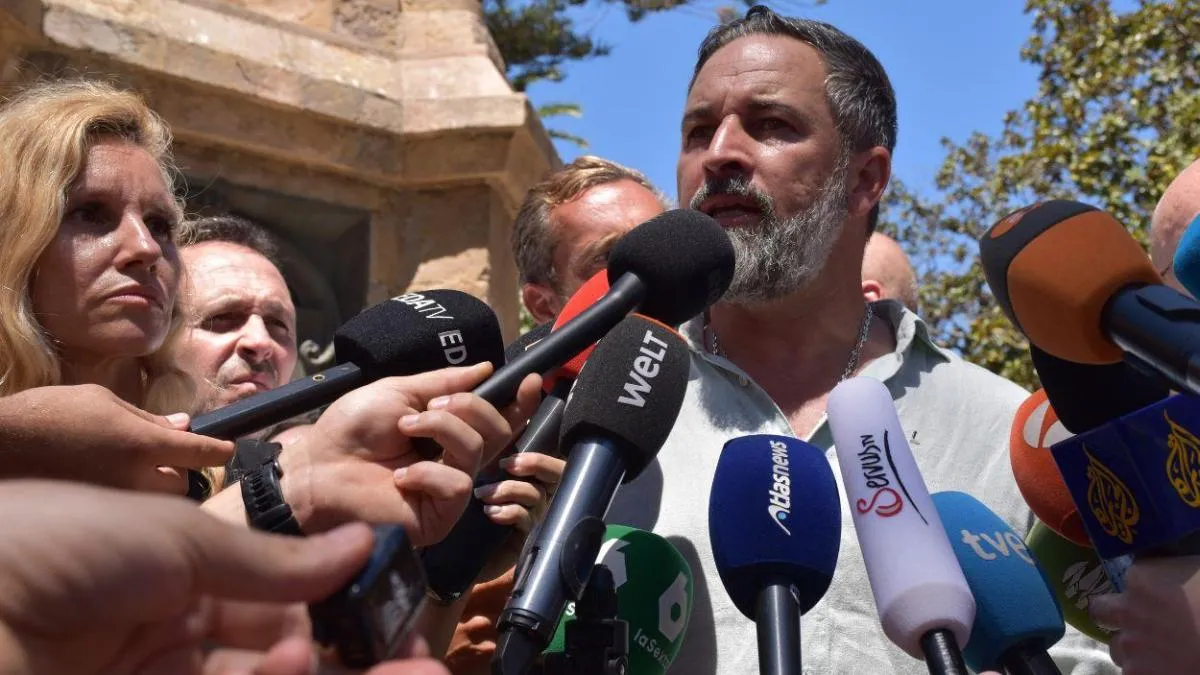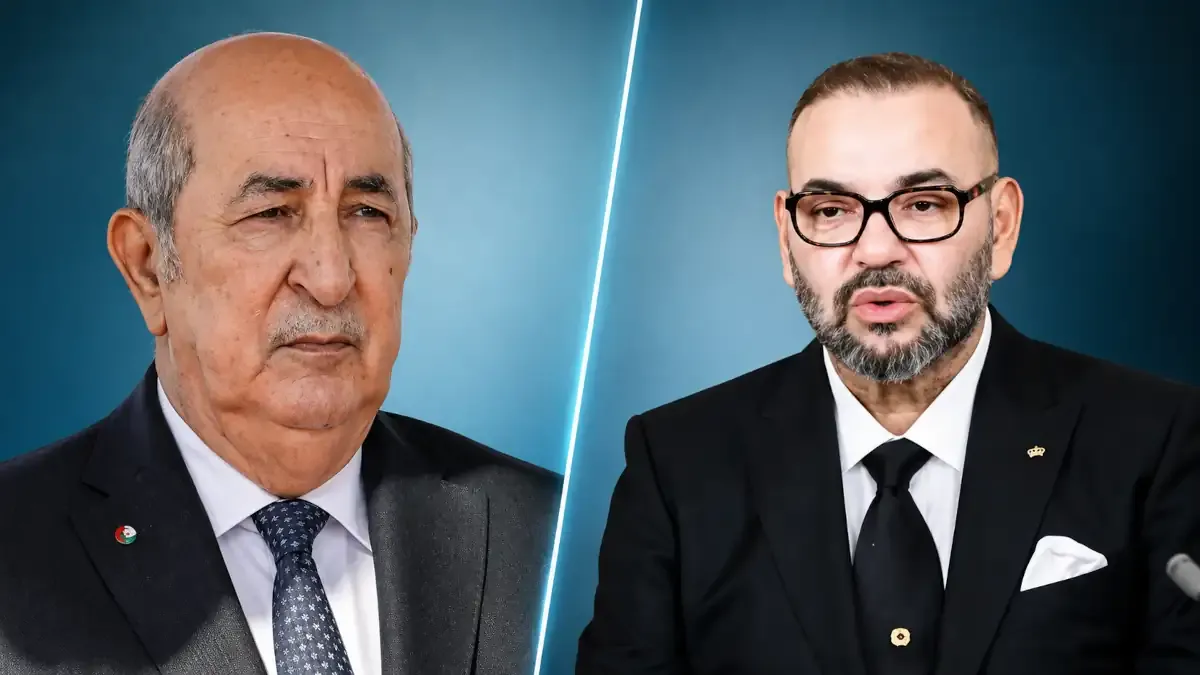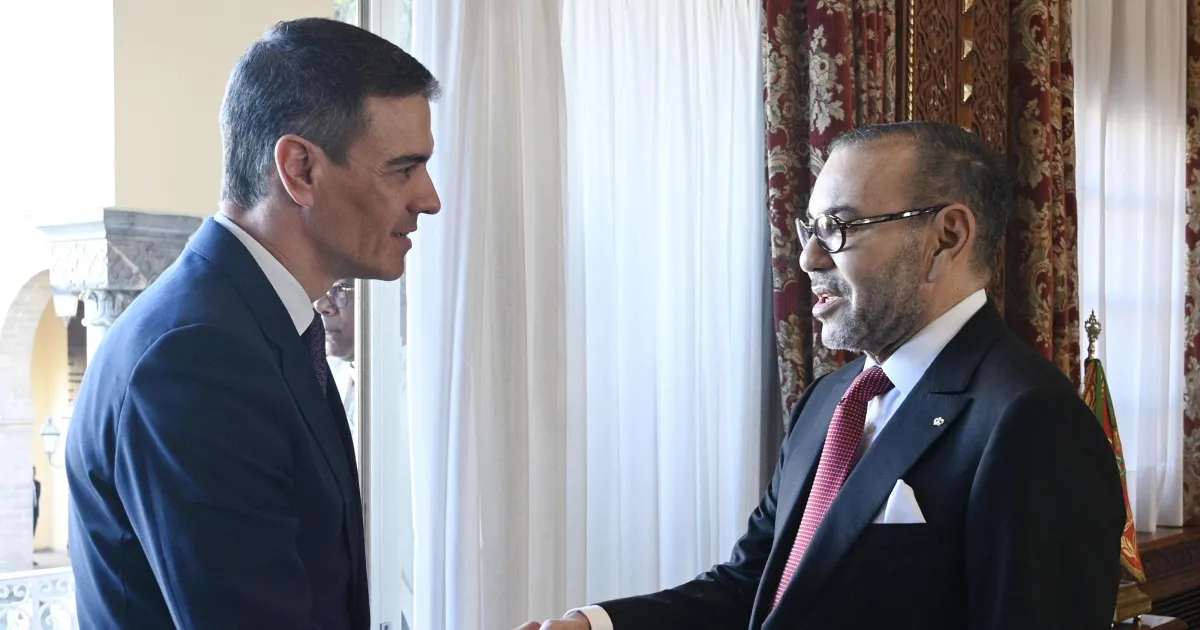

The relationship between Spain and Morocco has increasingly become a matter of concern and disbelief among the Spanish populace, particularly in the autonomous city of Ceuta. The local residents experience fear rather than surprise in light of a recent invasion that has gone unaddressed by the Sánchez government. This lack of response leaves the citizens of Ceuta feeling abandoned, as they face rampant crime without adequate protection or intervention from their own government. The Spanish government's apparent capitulation to the authoritarian regime of King Mohammed VI is alarming, as it highlights a troubling dynamic where basic freedoms, especially cultural expression, are severely repressed. The plight of Moroccan artists, many of whom have faced exile or persecution for their work, vividly illustrates the absence of a free cultural environment in the country.
Criticism of the Moroccan monarchy remains a perilous endeavor, often resulting in medieval-style penalties. Despite the government's claims of progressive reforms aimed at steering the nation toward democracy or a constitutional monarchy, these aspirations seem far from realization. According to Mohamed Daadaoui, a political science professor at the University of Oklahoma, the electoral system is systematically designed to prevent any candidate from achieving significant parliamentary representation, effectively ensuring the monarchy's continued dominance. This sentiment echoes the frustrations of the Arab Spring, which, despite its promise for change, led to no substantial reforms and was tightly controlled by the Alaouite regime.
Daadaoui himself serves as a poignant example of the Moroccan intellectual community that has been forced into exile, highlighting the difficulties faced when criticizing the king's absolute political and religious power. The Spanish government's overt display of loyalty to this regime, as articulated by Interior Minister Fernando Grande-Marlaska, raises uncomfortable questions about ethical foreign relations. Numerous cases exemplify the regime's repressive tactics against dissenters, such as journalist Ali Lmrabet, who faced arrest upon returning to Morocco, only to be released following international pressure. Similarly, rapper and filmmaker El Mahdi Lyubi has been imprisoned for expressing his opposition to the monarchy through his creative works.
The persecution of artists in Morocco is systemic and brutal, as evidenced by rapper Gnawi, who was imprisoned after criticizing the king's extravagant lifestyle in his song "Viva el pueblo," which resonated widely on social media. His experience underlines the regime's intolerance for dissent, particularly when expressed through art. The infamous Pegasus spyware, linked to the Sánchez government, serves as a tool for identifying and detaining critics of the monarchy, leading to arrests of individuals like Suhaib Qebli and L7a9ed, the latter currently in exile due to relentless persecution. Writers and filmmakers, such as Abdellah Taïa, Omar Brouksy, and Abu Bakr Jamaï, have also sought refuge abroad after facing imprisonment and exile for their critical views of the regime.
The Moroccan government's control extends into economic realms, employing strategies to silence dissenting voices through financial manipulation and censorship. Aboubakr Jamaï, founder of the independent weekly Le Journal Hebdomadaire, faced crippling fines for exposing corruption linked to King Mohammed VI, forcing him to flee to France. This ongoing cycle of censorship and economic repression stifles freedom of expression and undermines journalistic integrity, as the state exerts its influence over advertisers, leading to the financial ruin of critical media outlets. This is the regime that the Sánchez government continues to engage with under the guise of "loyalty," while remaining conspicuously silent on the abuses occurring within Morocco, including the use of Stasi-like tactics to prosecute artists, writers, and journalists for common crimes.
As reported by eldebate.com.