
Understanding Our Current Predicament
In these challenging times when our holy sites are under siege, and our identities are being threatened, it is imperative for us to break free from the shackles that bind us to the ground, dampen our spirits, and weaken our resolve. We must respond to the call of truth, vocalizing our beliefs and standing firm against the adversities we face. However, when we yearn to answer the innate call within us, we are met with burdens that weigh heavily upon us, restraints that stifle our voices, and chains that inhibit our actions. Tragically, many of these burdens are closely linked to our digestive systems, which have taken precedence in dictating our stances and roles in society. Our cravings for food have become one of the most severe sources of our humiliation and subservience to others. Consequently, we find it increasingly difficult to stand united in defense of our sacred values and to raise our voices in support of our identity, as our appetites have become so entrenched that they resist any form of compromise.
The Food Dependency Crisis
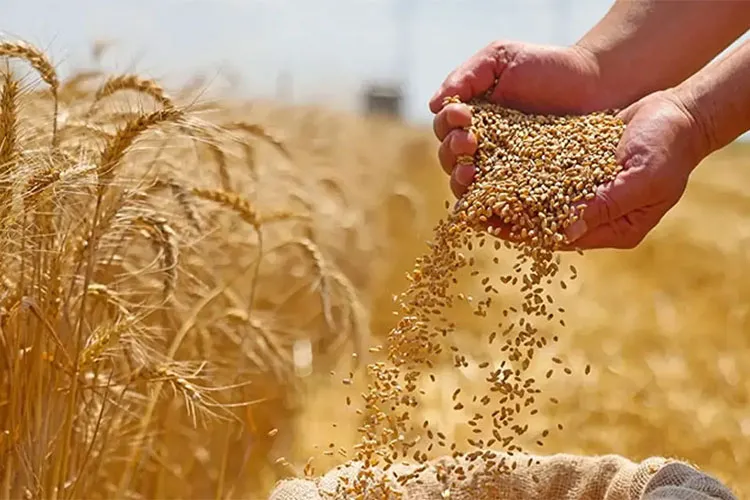
Recent reports indicate that among the ten countries most dependent on wheat imports, six are Muslim nations. The Arab world imports nearly 50 million tons of wheat annually, despite possessing over 220 million hectares of arable land, with less than a third of that land being utilized for cultivation. Furthermore, Arab nations collectively spend approximately $110 billion on food imports each year, which means that around 80% of our food consumption is reliant on external sources. This reality raises a crucial question: how can we expect to control our destiny, safeguard our faith, and protect our identity when our sustenance is dictated by others? The late Algerian thinker, Malek Bennabi, poignantly stated, "As long as our wheat comes from our enemies, our decisions are not in our hands." Similarly, the late Egyptian intellectual, Mustafa Mahmoud, remarked, "If your food does not come from your own efforts, do not expect freedom in your mindset."
This dire situation concerning food has escalated into a significant burden in our lives. So, how did the Arab and many Muslim nations find themselves in this predicament? While poor political policies play a significant role, there is another underlying factor rooted in our behaviors and eating habits. We have distanced ourselves from our religious teachings and ancestral practices, allowing food to dominate our lives. Eating has become one of our greatest concerns, with an obsessive focus on the variety of foods, their colors, and timings. This obsession is not limited to children; it extends to men and women alike. Many of us eat not only when hungry or at mealtime but continuously throughout the day. We indulge without restraint during daylight hours and often find ourselves awake late into the night, consumed by our desires for food. Mothers are now more preoccupied with selecting lunch and dinner menus than fulfilling spiritual duties, and culinary pages have become some of the most followed social media accounts among women at home.
Our preoccupation with meals often overshadows the importance of our religious obligations, with many of us prioritizing food stops during travels over prayer times. Even during celebrations and weddings, food choices take precedence, with discussions focused on appetizers and main courses dominating the conversation. This growing obsession even extends to funerals, where the choice of refreshment for mourners becomes a topic of concern, with expectations placed on grieving families to cater adequately for their guests. As a result, food stores and fast-food restaurants are overflowing with patrons from morning until late at night, with women in urban areas being particularly drawn to these establishments. Public restrooms often struggle to keep pace with the high demand, and the waste generated daily is overwhelming, filling trash bags and becoming a burden on our environment.
Even the holy month of Ramadan, traditionally a time for fasting and reflection, has devolved into an occasion for excessive consumption, with many individuals merely shifting meal times rather than reducing their intake. The gap between Iftar and Suhoor has become an open invitation for incessant eating, where the phrase “I haven’t had dinner yet” carries significant weight, while the declaration “I haven’t prayed yet” barely registers. It is alarming to observe how easily one can miss an appointment with their Creator yet feel compelled to adhere strictly to mealtime schedules.
The overindulgence in food has not only led to physical ailments but has also hampered our intellectual and spiritual faculties. If we were consuming nutritious food that enhances our well-being, our fixation on food might be somewhat justified. However, as it stands, much of our diet consists of unhealthy options that contribute to various diseases, hindering our ability to fulfill our spiritual obligations. The most common health issues that necessitate frequent hospital visits are related to the digestive system, which is often the root cause of other ailments, including hypertension, diabetes, and even psychological disorders. The late scholar's words ring true: "Overeating leads to illness, and those who consume excessively are not far from suffering." Our obsession with food has become a significant financial burden, with vast sums of money spent on medical care rather than on our spiritual and communal needs.
It is essential to recognize that our digestive systems should not dictate our lives. We must regain control and prioritize our health, spirituality, and responsibilities. Acknowledging the importance of moderation in eating and the need for discipline in our dietary habits is crucial for fostering a healthier, more spiritually aligned existence. We were created for a higher purpose than to be slaves to our appetites, and it is time to reclaim our identities and destinies from the clutches of excessive consumption and unhealthy dependencies.
As reported by echoroukonline.com.