
The DjaDja Afro Club: A Cultural Hub in the Heart of Casablanca
Opened in 2019, just a year after the release of the hit song that shares its name, the DjaDja Afro Club has rapidly established itself as a vibrant symbol of Morocco's evolving demographic landscape. In a country witnessing a significant influx of Sub-Saharan Africans—now numbering in the tens of thousands—the DjaDja Club has become a beacon of cultural amalgamation amidst rising foreign residency, which has surged by 76% over the past decade. Among the most represented nationalities are Senegalese and Ivorians, who contribute to the club's eclectic and diverse atmosphere.
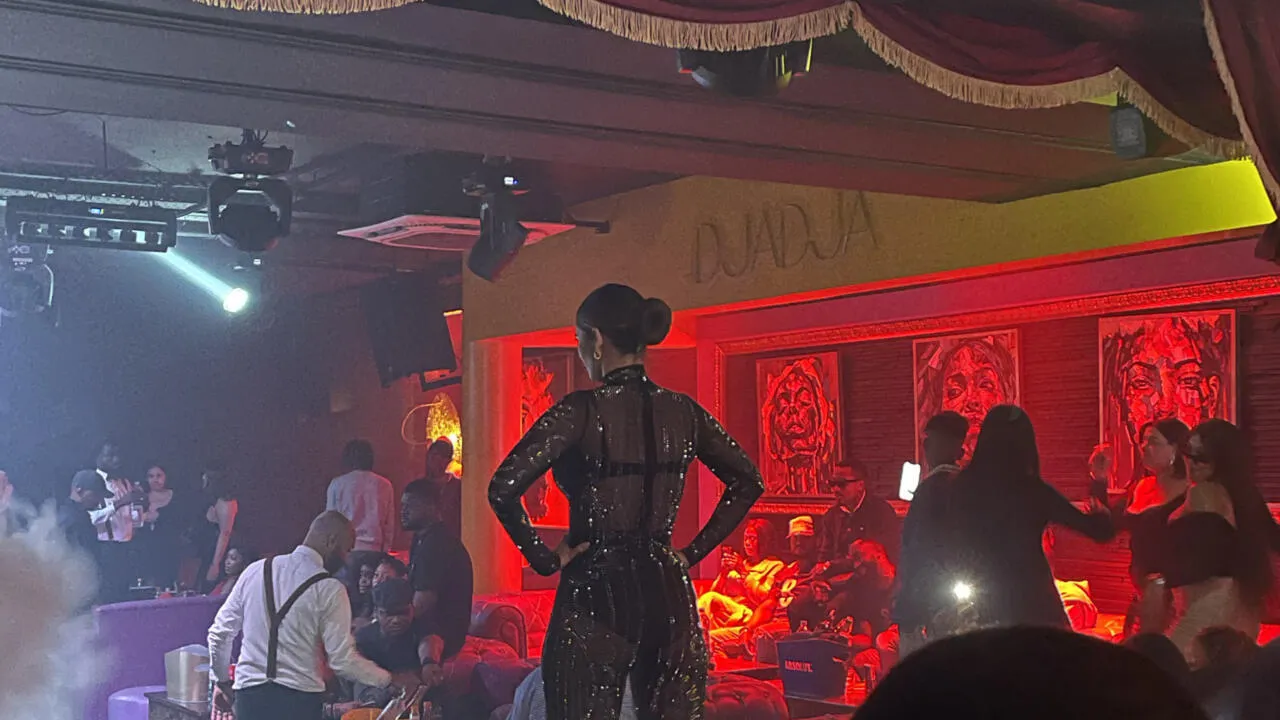
At the DjaDja, patrons from across the African continent converge to enjoy the latest afro beats, as the club aims to broaden its appeal and participate in the global cultural expansion of African music. Just thirty minutes before the doors open, Konaté Vamory, the Ivorian founder of Morocco's most renowned afro nightclub, lounges comfortably on a faux leather banquette next to a towering bust of a Black woman, which proudly overlooks the DJ booth. Celebrating its seventh anniversary, the club has become a staple of Casablanca's nightlife. "I wanted to bring the Abidjan party vibe here, and we’ve achieved that splendidly. Every week, I find myself amazed by the ambiance that our DJs create and how it energizes the dance floor… Every night is a new story at DjaDja," laughs the club’s manager.
The nightclub has transformed into a symbol of a Morocco that is no longer merely a transit point for migrant workers from Sub-Saharan Africa but is emerging as a destination in its own right. Senegalese, Ivorians, Congolese—dressed to impress—flock to the establishment located along the picturesque Ain Diab coastline. The club offers an unprecedented array of music from across Africa, and Konaté Vamory, hailing from Boundiali in Côte d'Ivoire, envisions DjaDja as an international showcase for Afro music. "We have people from all communities and continents," he exclaims. "Some weekends, you’ll see Asians, Saudis, Black individuals, Afros, Moroccans, and even Arabs—all come together here."
A Commitment to Cultural Integration
To win over the venue's owner for his grand vision, Konaté Vamory opted for a high-end approach: entry requires the purchase of a premium bottle, and cocktails are priced at 150 dirhams, roughly 15 euros. The staff is highly skilled, featuring Cheryl, a Congolese bartender who dazzles guests as an artist juggling various bar utensils. Complementing the team is a Senegalese DJ, Moroccan dancers, and a Cameroonian supervisor named Joseph-Renault Bagel. "It’s all about Africa, and we strive for diversity here, ensuring everyone can find common ground and enjoy a shared musical experience," Bagel passionately shares.
With his unmistakable charm and style, Bagel describes the DjaDja as a refuge for all, where racist and disrespectful remarks are left at the door. "Racism exists, but here at DjaDja, one of our missions is to set aside cultural differences and skin color variations," explains Joseph-Renault Bagel. "There are many populations, diverse communities, and music styles that they might not know; our mission is to not only provide great music but also to promote culture—creating a kind of African cultural expansion." The DjaDja has welcomed numerous Afro music stars, including Roseline Layo, Singuila, Didi B, and Himra. However, the club is still eagerly awaiting Queen Aya Nakamura, the singer of the hit song "DjaDja" that inspired the club's name. "I’m not sure if she knows about us yet," chuckles Konaté Vamory, "We don’t have the means to bring her here just yet, but when we do, we’ll tell her our story to make her feel at home."
As reported by rfi.fr.