
The Challenges and Opportunities in Morocco's Industrial Sector
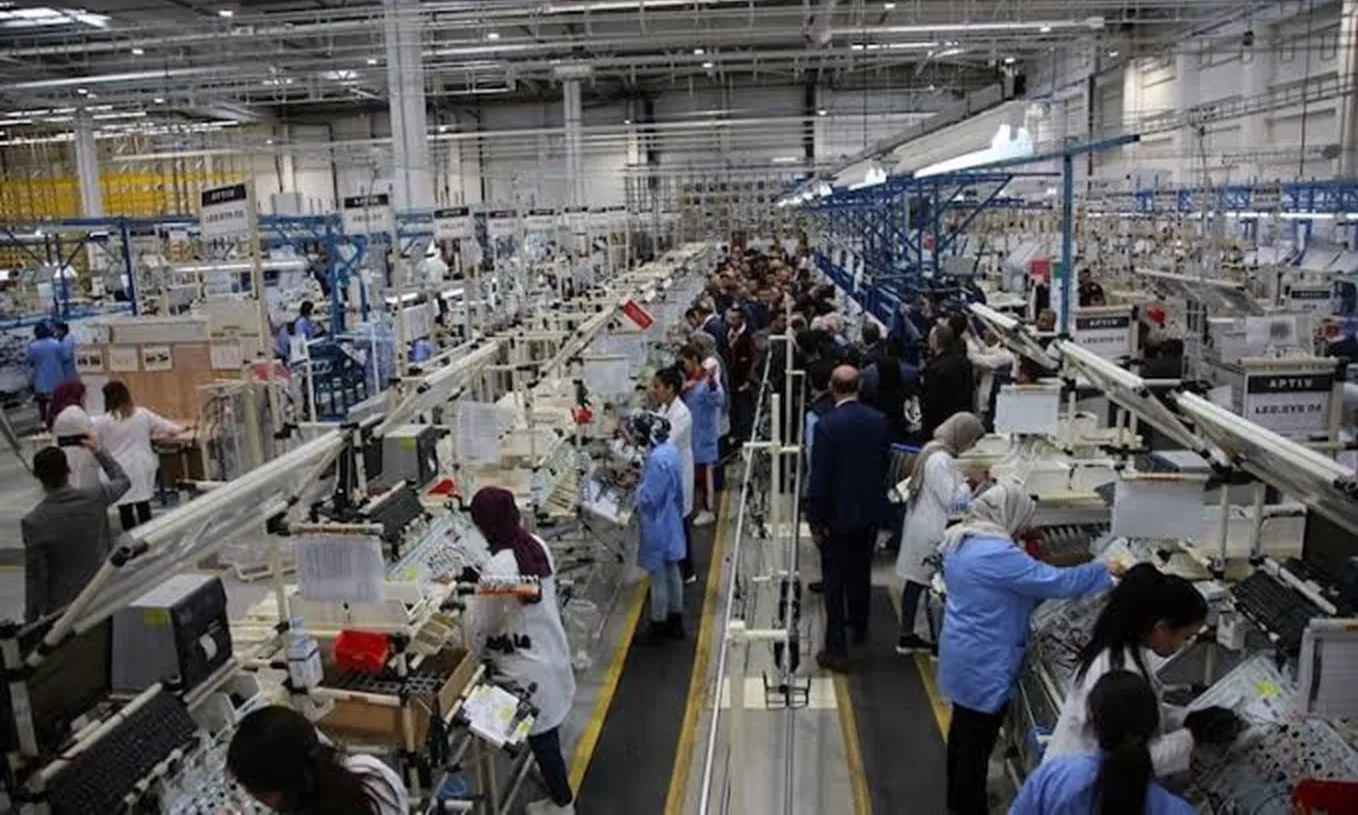
In a recent interview, renowned economist Abdel Razzak El-Hiri highlighted the findings of the quarterly economic survey conducted by the High Commission for Planning, focusing on various sectors including manufacturing, extraction, energy, environment, and construction for September 2026. Although the survey presents a seemingly positive outlook, El-Hiri warns that it conceals underlying issues that require deeper analysis. The second quarter of 2026 saw an increase in industrial production, primarily driven by the automotive sector, electrical equipment, and chemical industries. However, the critical question remains: what is the added value, the technology, the skills, and the job opportunities generated by each additional investment in the industrial sector? Notably, the rise in industrial production has not been accompanied by a proportional improvement in employment rates.
El-Hiri emphasized that Morocco possesses tangible strengths that cannot be overlooked, as it has evolved into a significant industrial and export base, particularly in sectors such as automotive, aerospace, phosphate, fertilizers, and electrical and chemical industries. This growth benefits from proximity to Europe, robust infrastructure, logistics, ports, and the industrial systems that have developed over the past two decades. However, the challenge now extends beyond merely establishing factories; it is about strengthening industrial sovereignty within value chains. The presence of factories within national territory does not necessarily guarantee that the full added value is generated domestically, especially when essential machinery, components, software, technology, and inputs are imported.
Transitioning to Sector-Specific Industrial Policies
El-Hiri urges a shift from a general horizontal industrial policy to precise sector-specific policies that identify weaknesses and technological, financial, and human resource needs for each value chain. This approach can facilitate the creation of sustainable jobs and generate a more substantial local added value. He believes that this transition will empower Morocco to evolve from a competitive industrial platform to a comprehensive and innovative industrial power capable of withstanding external shocks. By focusing on creating local value and sustainable employment opportunities, Morocco can enhance its industrial landscape and secure its position in the global market.
As reported by goud.ma.