
The Silent Struggle During Eid Sermons
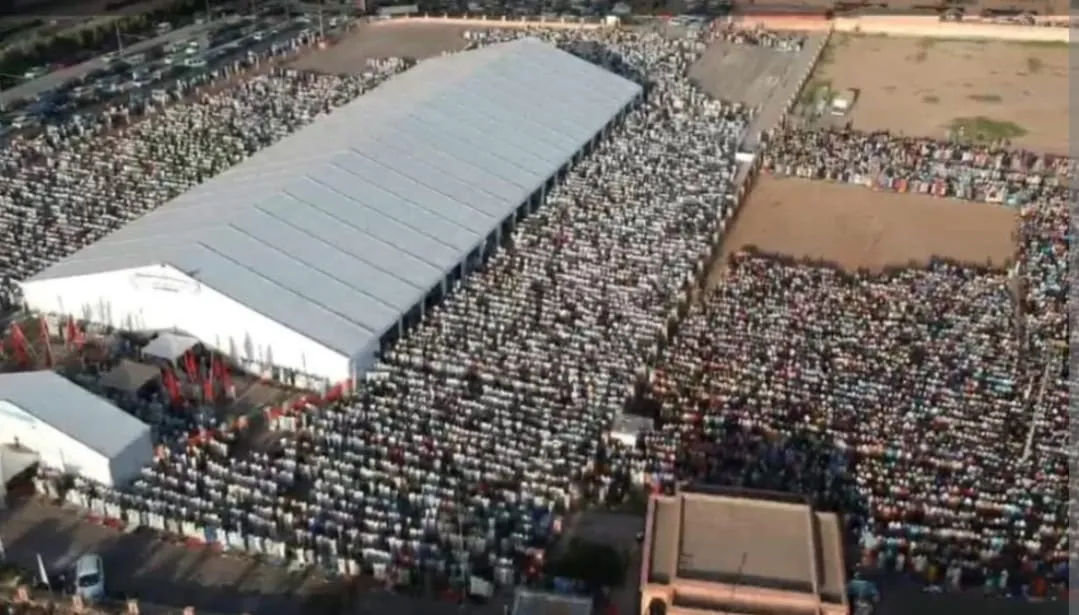
On the morning of Eid al-Fitr, as the joyous Takbirs resonate and the month of devotion comes to a close, the Eid sermon is expected to transform into a moment of collective sincerity, where the words spoken resonate with the heartbeat of the nation, reflecting its pains alongside its joys. However, this year’s sermons across various mosques have raised more questions than answers regarding the content shared and the issues deliberately omitted from the discourse.
Many sermons followed a similar structure, predictable in their themes, focusing primarily on joy, family ties, and forgiveness, yet failing to touch upon the pressing issues that weigh heavily on the minds of Moroccans, particularly the ongoing struggles in Gaza and other conflict zones where civilians bear the brunt of the violence. This palpable silence during the sermons did not go unnoticed.
One worshipper remarked in an interview after the prayers, "We were expecting a word of truth, even a simple prayer for our oppressed brethren... but the sermon felt completely detached from reality." Another added, "If we do not address the issues facing our nation during such unifying moments, then when will they be mentioned? Eid is not just a time for joy, but also a reminder of our responsibilities." Such statements reflect a growing sentiment that has begun to form quietly among many, highlighting the disparity between the official religious discourse and the expectations of a broad segment of the populace.
The Discrepancy Between Religious Speech and Public Sentiment
Conversely, some observers justify this trend by asserting that Eid sermons are subject to careful framing aimed at maintaining the unity of religious discourse and avoiding political exploitation or the stirring of tensions. However, critics argue that this justification falls short of explaining the near-total absence of any symbolic references to universal humanitarian issues. An activist expressed to the paper, "No one is asking for the politicization of the pulpit, but there is a distinction between neutrality and silence. Praying for the oppressed is not a political stance; it is a religious and moral obligation."
This brings forth a sharper question: Has the religious discourse during major occasions become governed by the principle of "what should not be said" rather than "what must be said"? Have the pulpits, at crucial moments, transformed into spaces for safe speech only, overshadowing the genuine expression of the nation’s concerns? Notably, this discussion is not new; it resurfaces each time a segment of worshippers feels that their inner voice does not resonate from the pulpit. With each religious season, the margin of this sentiment expands, in a world where information is no longer concealed, nor is suffering distant.
Ultimately, the challenge remains: Can the Eid sermon reclaim its role as a balance between spiritual guidance and the acknowledgment of reality? Or will silence continue to be the prevailing language, even in moments that should amplify the voice of the people?
As reported by inews.ma.