
The Emotional Connection Between France and Morocco: A Reflection on Casablanca
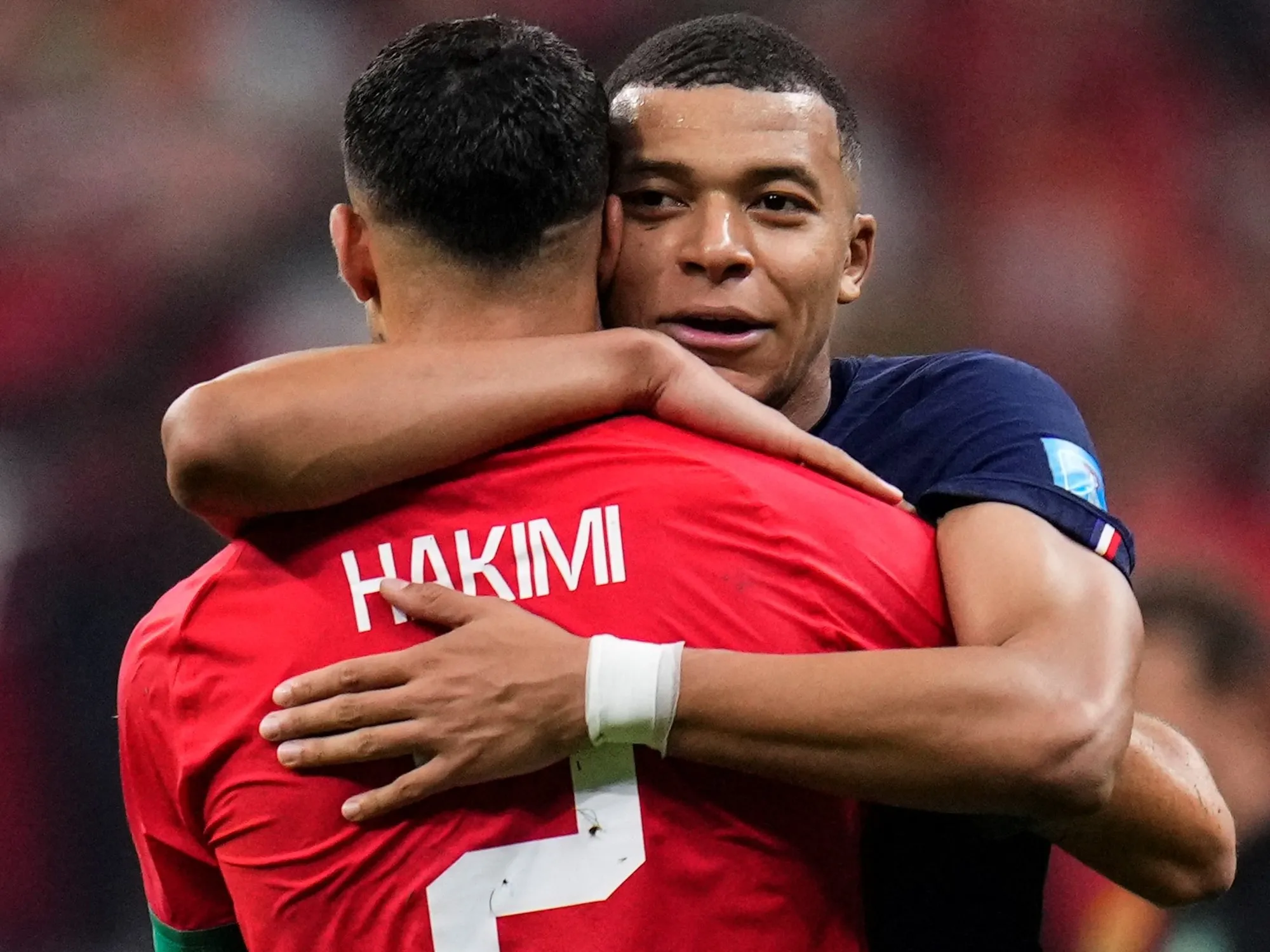
In a poignant intersection of history and contemporary events, the long-standing relationship between France and Morocco has once again captured public attention, particularly with their clash on the soccer field during the World Cup. This sporting event brings to light memories of a classic film, Casablanca, which serves as a historical lens through which we can reflect on the shared experiences of both nations. The film, set against the backdrop of World War II, features a scene where refugees, fleeing the horrors of Nazism, gather to sing "La Marseillaise" in defiance of their oppressors. This powerful moment resonates profoundly, evoking genuine tears from those who lived through the real-life struggles portrayed in the film.
Casablanca, though filmed primarily in studios in Los Angeles, represents more than just a geographical location; it symbolizes a critical juncture for many European refugees during the war. For them, the city was a fleeting stop, a last chance to escape from the chaos of a war-torn Europe. The film's director, Michael Curtiz, made a deliberate choice to cast actual refugees as extras in the crowd scenes, ensuring that their emotions of fear, nostalgia, and sorrow were authentic. These individuals did not need to act; their lived experiences imbued the scenes with a haunting reality.
Moreover, the choice of music in this iconic sequence plays a significant role in amplifying the emotional weight of the narrative. Initially, the German soldiers sing "Die Wacht am Rhein," a song tied to France’s historical defeats. In a moment of defiance, Victor Laszlo, the resistance hero, requests the orchestra to play "La Marseillaise," prompting the patrons of Rick's bar to join in, drowning out the German anthem. This moment is not just a cinematic highlight but a powerful testament to resilience and unity in the face of oppression. The refugees, many of whom were present at the filming, sang with tears in their eyes, recalling their own harrowing journeys and sacrifices.
The historical significance of Casablanca extends beyond the film itself, encapsulating the struggles of countless individuals who sought refuge from tyranny. The film's legacy continues to spark discussions about identity, belonging, and the enduring impact of history on present-day relationships. As France and Morocco face off in modern sporting arenas, the echoes of their intertwined pasts remind us of the shared humanity that transcends borders. The story of Casablanca is not just a tale of love and sacrifice; it stands as a powerful reminder of the struggles faced by those seeking freedom and the bonds forged in adversity.
As reported by clarin.com.