The Conclusion of a Prolonged Legal Battle
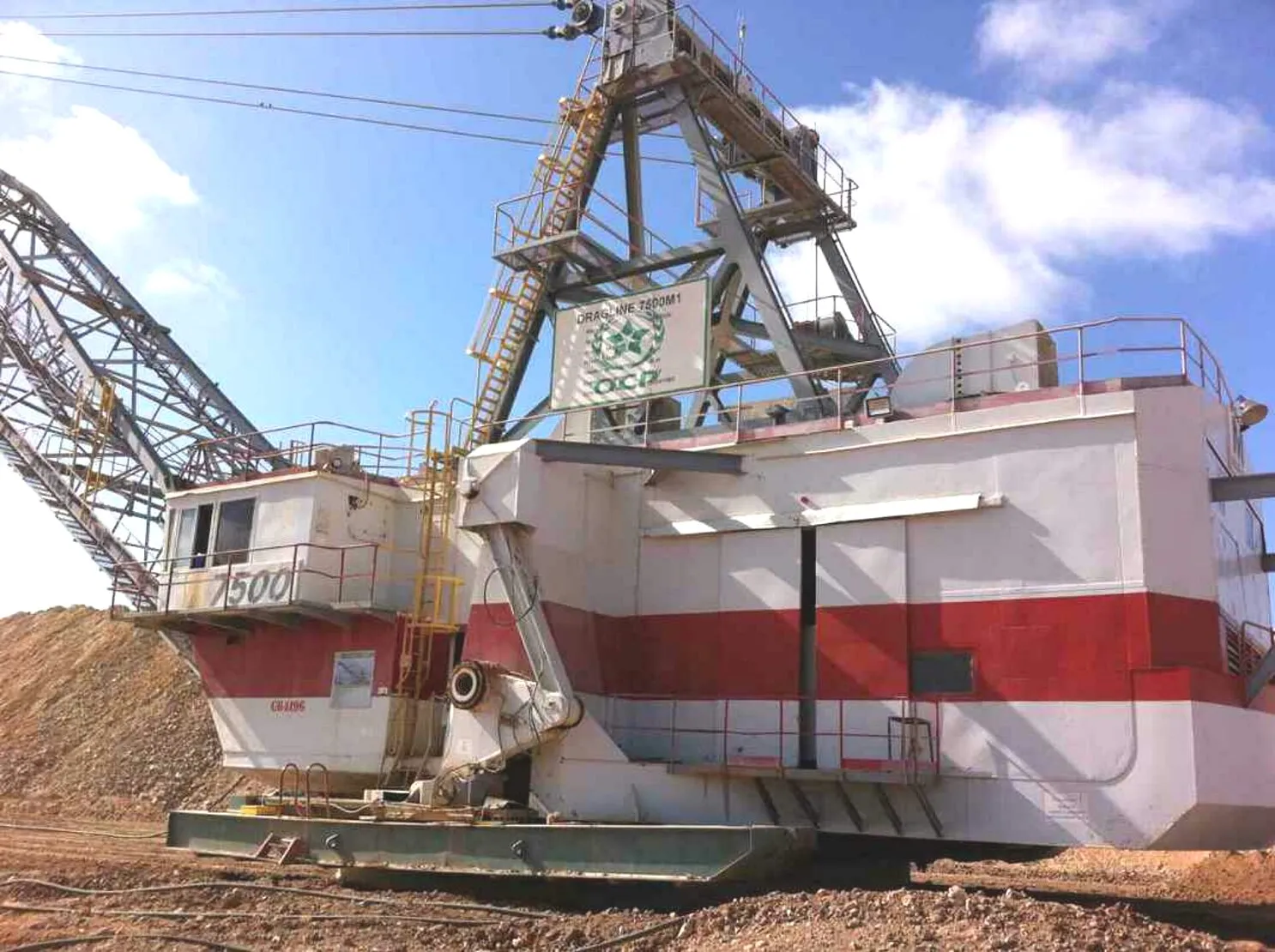
The recent voluntary dismissal by the United States government of its appeal in the significant legal case of The Mosaic Company v. United States on March 4, 2026, marks the culmination of a complex and high-stakes dispute that has strained one of Washington’s vital strategic partnerships for the past five years. To fully grasp the implications of this withdrawal, it is essential to consider the role of the Office Chérifien des Phosphates (OCP Group), Morocco's state-owned entity that controls over 70% of the world's known phosphate reserves. As the premier leader in plant nutrition, OCP is not merely an economic player; it acts as the backbone of Morocco's economy and is a crucial pillar in the global food supply chain.
The legal challenge against OCP commenced in 2020 when the Mosaic Company, based in Florida, lodged a complaint with the U.S. Department of Commerce and the International Trade Commission (ITC), claiming that OCP was benefitting from unfair government subsidies. This led to the imposition of a substantial 19.97% countervailing duty (CVD) on Moroccan phosphate fertilizers in 2021, a protective measure that ultimately resulted in skyrocketing fertilizer prices for American farmers and introduced significant friction within the U.S.-Moroccan bilateral relationship.
Shifting Dynamics in U.S.-Moroccan Relations
By voluntarily withdrawing its appeal on March 4, the Trump administration effectively signaled a departure from defending a legal stance that had been increasingly undermined by judicial scrutiny. Throughout the ensuing five years, the case evolved into a symbol of the tension between narrow protectionist trade policies and broader national security considerations. The litigation underwent various cycles of remand at the U.S. Court of International Trade (CIT), with OCP and the Kingdom of Morocco consistently arguing that the subsidies cited by the Department of Commerce did not meet the legal criteria of specificity outlined in U.S. trade law. A pivotal moment occurred in December 2025 when the CIT upheld a remand ruling that a significant Moroccan tax program was accessible to all industries and therefore did not qualify as a targeted subsidy.
This dismissal coincided with the initiation of the mandatory five-year “Sunset Review” of these duties, signaling a decisive shift towards a strategy that prioritizes American agricultural interests and the strategic integrity of the Abraham Accords over the grievances of a single domestic corporation. This administrative pivot is intrinsically linked to the recent reclassification of phosphate as a national security asset. On February 18, 2026, the administration officially designated phosphate and potash as critical minerals, utilizing the Defense Production Act to secure elemental phosphorus supplies. This reclassification altered the legal and political landscape of the Mosaic case, elevating phosphorus to a status akin to that of lithium or rare earth elements, effectively shifting the discourse from trade disputes to national defense imperatives.
As the world's foremost supplier of high-quality phosphate, Morocco has been repositioned as an essential security ally. In this new context, maintaining punitive tariffs on OCP imports appears strategically counterproductive, effectively imposing a tax on a mineral now deemed vital for U.S. sovereignty and industrial capacity, particularly in the rapidly evolving lithium-iron-phosphate (LFP) battery sector.
By integrating Moroccan phosphate into the U.S. national security framework, the administration has achieved a rare alignment of domestic economic interests with global strategic goals. Beyond the advantages for domestic agriculture, resolving the Mosaic case serves as a strategic countermeasure against the expansionist ambitions of China and Russia, who collectively dominate nearly 40% of the global processed phosphate export market. Continuing to isolate Morocco through trade restrictions would have effectively ceded the North African resource market to China, which is aggressively promoting its own trade initiatives across the continent. By facilitating OCP's re-entry into the U.S. market, Washington is reinforcing the economic benefits of the Abraham Accords and ensuring Morocco's integration within the Western security architecture. This “Phosphate Peace” guarantees that the United States will not be vulnerable to adversarial nations for essential nutrients needed to sustain its population, thus safeguarding the American agricultural heartland against potential geopolitical pressures.
The quiet dismissal of the appeal on March 4 suggests that the era of “litigation-driven” trade policy is giving way to a model focused on resource-based diplomacy. As a key non-NATO ally, Morocco’s economic strength is critical for regional stability in the Maghreb and the Sahel. The revenue generated from OCP’s exports is fundamental to Morocco’s capacity to conduct counter-terrorism operations, manage migration flows, and serve as a stabilizing force in the Mediterranean. Through the integration of Moroccan phosphate into the U.S. national security framework, the administration has successfully synchronized domestic economic priorities with global strategic necessities. The barriers that once obstructed access to vital fertilizers have finally been dismantled, ensuring that the agricultural foundations of the West remain interconnected with its most reliable partner in North Africa.
As reported by meforum.org.