
The Timeless Debate: Are Classics Truly the Best?
In the realm of cinematic history, few films are as consistently revered as Orson Welles' "Citizen Kane" and Michael Curtiz's "Casablanca." These two movies frequently dominate discussions regarding the greatest films of all time, often regarded as the gold standard by critics and audiences alike. However, the question arises: are these films genuinely deserving of their accolades, or have they simply become default choices over the years? This inquiry comes from a reader, Ryan Shankel from San Francisco, who expresses a sentiment shared by many—while he acknowledges the quality of these films, he wonders if their status as 'the best' is merely a consequence of tradition rather than merit.
The argument for these films' continued praise can be traced back to the 1960s and early 1970s, a period marked by a significant shift in film criticism. During this era, a group of passionate young critics emerged, enamored by the same classic films. Their collective enthusiasm led to the establishment of a so-called 'basic repertory' of films that they deemed essential viewing. Unfortunately, this reverence for a select group of classics has resulted in a stagnation of critical discourse. The advent of VHS tapes contributed to this phenomenon by diminishing the market for film literature, thereby freezing the evaluations made by that generation of critics.
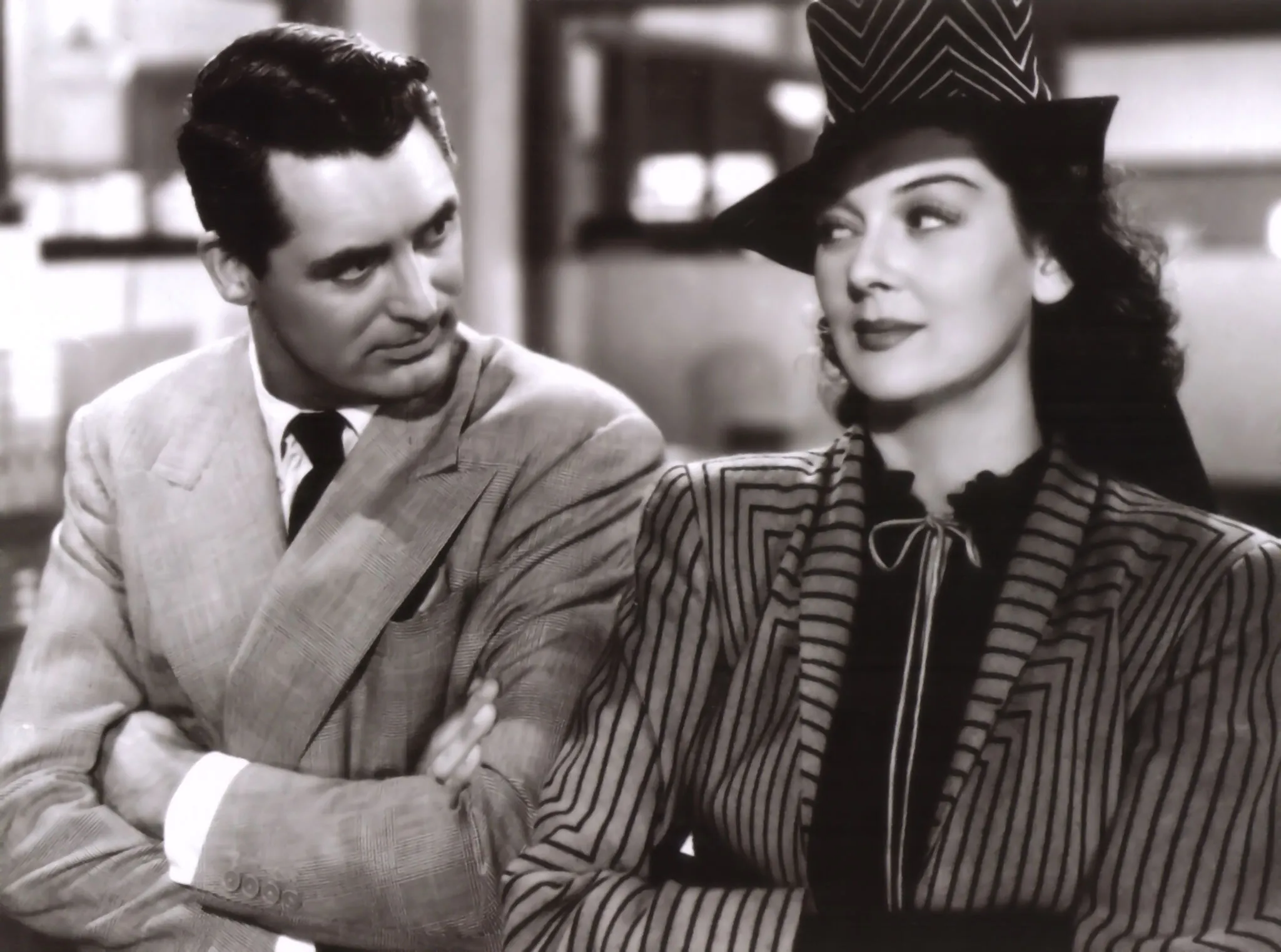
Today, aspiring critics find themselves in a position where they must navigate a landscape largely defined by the previous generation's choices. Films like Howard Hawks' "His Girl Friday" and "The Twentieth Century" are often upheld as timeless classics, despite the potential for more diverse opinions and new interpretations. The lack of critical evolution means that young critics are occasionally compelled to conform to a canon that may no longer reflect the breadth of cinematic art.
The Impact of Celebrity Deaths and the Evolution of Performance
In a different vein, the emotional responses to the deaths of entertainers can illustrate their profound impact on society. This was poignantly highlighted in a letter from David Sironen, who reflects on the passing of Dolly Parton and the unexpected waves of grief it stirred among those around him. The reaction to celebrity deaths can serve as a mirror, reflecting the unique connections individuals have with these figures. While some deaths, like that of Robin Williams, resonate more widely due to their cultural significance, others—like Parton's—can reveal the depth of personal influence artists have on their audiences.
Such reactions underscore the notion that the connection between fans and celebrities extends beyond mere admiration; it often embodies a shared experience or nostalgia that transcends generations. Moreover, the transient nature of life often amplifies the sense of loss felt when a beloved figure passes away, especially if they left a lasting imprint on the cultural landscape. For instance, the grief expressed following the untimely death of Brittany Murphy exemplifies how the loss of young talent can evoke a particularly intense emotional response.
In the realm of contemporary television, performers like Rufus Sewell have found their way into the hearts of audiences. Cara Brown from Novato seeks insight into Sewell's impressive range as an actor. Known for his versatility, Sewell has portrayed a variety of roles, from historical figures like Alexander Hamilton in the miniseries "John Adams" to complex characters in films such as "Dark City." His ability to seamlessly transition between hero and villain showcases the depth of his talent and the dynamic nature of modern storytelling.
As our understanding of film and performance evolves, so too should our discussions surrounding them. The importance of challenging established norms and embracing new perspectives cannot be overstated, paving the way for a richer, more inclusive cinematic dialogue.
As reported by sfchronicle.com.