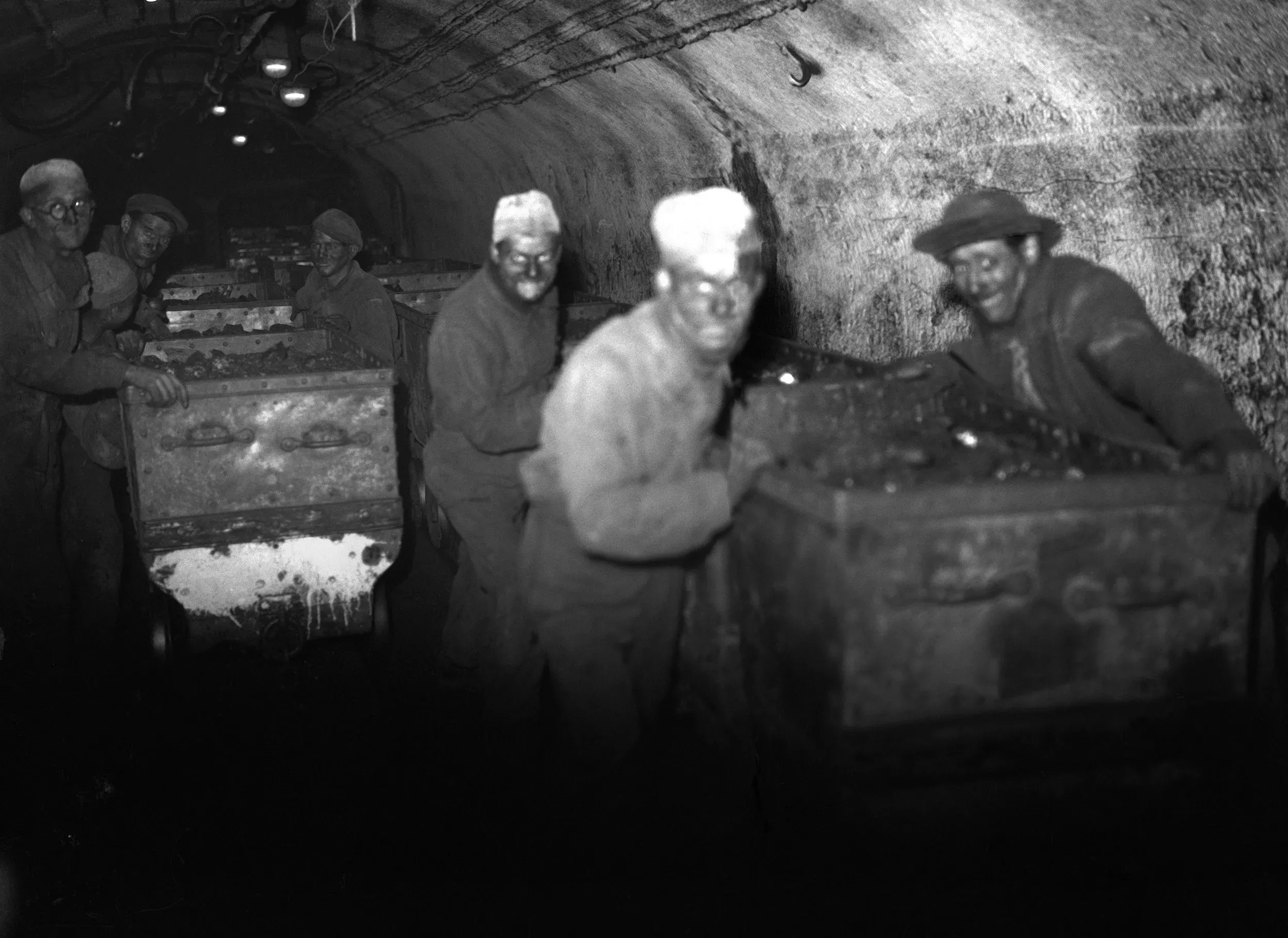

Moroccan emigration is a phenomenon deeply rooted in history, predating the establishment of the French Protectorate. Long before the colonial period, extensive commercial, cultural, and spiritual interactions had already taken place between Morocco and the Mashreq, or the Arab East. From the time of the Islamization of the Maghreb, travelers, pilgrims, and traders embarked on journeys to explore these far-off lands. However, the arrival of France brought about a significant transformation not only in the patterns and directions of migration but also in the mindset of the emigrants themselves. Historian Daniel Rivet captures this shift in his work _The Maghreb Put to the Test of Colonization_ (2010), where he notes that emigration to the West is characterized by the term 'ghurba,' symbolizing a forced exodus in search of 'shurba,' or sustenance, contrasting with 'hijra,' which refers to emigration motivated by faith towards the East.
Historical Context of Moroccan Emigration
Prior to 1830, it is estimated that between 50,000 to 60,000 Berbers, predominantly from the Rif region, migrated to Algeria to work in its fertile agricultural lands, particularly the Mitidja Plain. Although the influx of Moroccan seasonal agricultural workers diminished with the arrival of French settlers, many Berber communities, such as the Rifis and Chleuhs, continued the traditional practice of transhumance, leading to a unique situation where many Moroccans in Algeria experienced a form of dual emigration. Joanny Ray's doctoral dissertation _Moroccans in France_, published in 1938, underscores this point, revealing that the first recorded Moroccan laborers in France originated from Oran, with around ten employed in the metalworking industry in Nantes. These men, hailing from the Souss region, followed their Algerian counterparts to France after spending time in Oran. Additionally, Marseille and mining regions like Pas-de-Calais and the Loire had early Moroccan workers even before the onset of World War I.
Contrary to popular belief, Moroccan emigration did not commence during the Great War (1914–1918); however, the conflict instigated a surge in the migration of Moroccans. As articulated by essayist Zakya Daoud in her book _The Moroccan Diaspora in Europe_ (2011), France emerged as the primary destination for Moroccan migrants due to historical ties and geographical proximity. The dual nature of this initial major wave of emigration was marked by both military enlistment and labor migration, as the war economy necessitated a workforce for the home front and soldiers for combat. Sultan Moulay Youssef ben Hassan actively encouraged his subjects to support the French war effort, which led to recruitment primarily in rural areas, particularly in the Bled el-Makhzen. In 1914, resistance persisted in the Bled el-Siba, indicating that the Sharifian Empire had not yet been fully subdued. While the exact number of Moroccan soldiers who served is uncertain, estimates from Protectorate authorities suggest that between 20,000 and 25,000 were dispatched to various fronts in France, where they proved their valor, particularly during significant battles like those on the Ourcq River in September 1914.
The Shifting Landscape of Migration Through the Decades
Following the conclusion of hostilities, the social dynamics of Moroccan migration underwent a transformation. The cessation of combat meant the repatriation of many Moroccan soldiers; however, the demand for labor during reconstruction prompted many to seek work in France. The interwar period can be divided into two distinct phases: the prosperous 1920s and the economically challenging 1930s. Moroccan immigrants, primarily Berbers from regions such as Haha, Souss, and the High and Middle Atlas, increased in number, with 9,000 in 1921 and 15,000 by 1925, predominantly settling in metropolitan areas like Paris. Yet, the economic downturn in the late 1920s resulted in a sharp decline in Moroccan migrants, halving their numbers in France by the onset of World War II, leaving fewer than 10,000 by that time.
With the outbreak of World War II (1939–1945), Moroccan manpower was once again called upon. Sultan Moulay Mohammed ben Youssef urged his people to join the Allies, leading to a significant military migration reminiscent of World War I. Some 70,000 to 80,000 Moroccans contributed to the war effort, returning home post-conflict, similar to their experience after World War I. The subsequent period, known as the 'Glorious Thirty,' marked a peak in Moroccan emigration as France sought to rebuild after the war. The demand for labor surged, leading to a diverse influx of Moroccan workers, particularly in the coal mines and various industries.
The 1963 labor agreement between Morocco and France was pivotal, establishing a framework for migration that continued until the oil crises of the 1970s. This agreement aimed to address labor shortages in France, while also managing the socioeconomic conditions in Morocco, which faced political and social instability due to a growing surplus of unemployed individuals. The traditional patterns of migration began to alter significantly, transitioning from temporary labor to more permanent forms of settlement, as evidenced by the increasing number of Moroccan nationals residing in France. The post-1980s era witnessed the emergence of the 'Beurs' generation, advocating for social equality and integration within French society, highlighting the evolving role of Moroccan migrants in contemporary France.
As reported by telquel.ma.