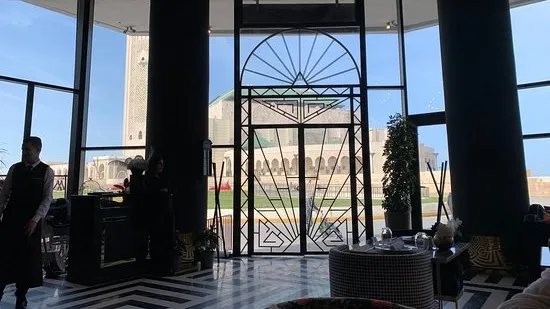

Exploring the Dual Nature of Coffee Culture in Casablanca
In the economic capital of Morocco, a mere few kilometers can transport you from one universe to another. On one side, there are the charming neighborhood cafés where locals gather each morning for a shot of espresso, a cup of black coffee, or a glass of mint tea. On the other side, international chains dominate shopping malls and affluent districts with their signature drinks, co-working spaces, and meticulously curated atmospheres. This contrast is not merely a difference in menus; it represents two distinct ways of experiencing the city.
In bustling streets like Bourgogne, Maârif, Derb Sultan, or Mers Sultan, coffee is primarily a social hub. Here, servers are familiar with their regulars, orders often arrive without being spoken, and conversations flow freely, touching on topics such as current events, football, business, or neighborhood life. Although the furniture may be modest, the essence of these cafés lies elsewhere: patrons come not only to enjoy a drink but also to reconnect with familiar faces.
The Rise of Global Coffee Chains and Their Impact
A few tram stops away, the ambiance shifts dramatically. In the malls and residential areas of Anfa, Californie, or Casa Finance City, international brands offer a standardized experience that includes comfortable seating, power outlets at every table, reliable Wi-Fi, ambient music, and an extensive menu of beverages. These establishments are designed to encourage customers to linger, transforming coffee from a mere consumption experience into a multi-faceted space for work, meetings, or personal relaxation.
This evolution reflects the changing dynamics of Casablanca, particularly with the rise of remote work, freelancers, and students seeking quiet spaces. These establishments attract clients looking for more than just a cup of coffee; some spend hours there with their laptops open, alternating between video conferences and indulgent breaks.
At the same time, traditional Casablanca cafés fulfill specific social functions. They welcome card games or dominoes, neighborly chats, and impromptu meetings. Orders are typically simple and served quickly, with a steady turnover of customers contributing to the neighborhood's daily rhythm. Here, time seems to belong to the community.
Moreover, the differences in consumer behavior are evident. International chains highlight seasonal beverages, customizable recipes, and imported pastries inspired by global trends, often leveraging a robust social media presence. Here, coffee can become a subject of aesthetic presentation; patrons photograph their drinks, laptops, or surrounding decor before even tasting their beverage. In contrast, these practices remain peripheral in traditional cafés, where the focus is more on human interaction than visual appeal.
Price also serves as a distinguishing factor. A cup of coffee in a neighborhood establishment remains affordable for a broad audience, while the bill at international chains reflects not just the drink but also the ambiance, service, location, and overall experience. Consequently, two cups of coffee can vary dramatically in price depending on where they are consumed.
However, contrasting these two worlds would be overly simplistic. Many Casablancans naturally transition between the two throughout the day, depending on their needs, budget, or habits. The neighborhood café remains a favored spot for friend reunions, spontaneous chats, or daily breaks, while international chains appeal more to those seeking an environment conducive to work, professional meetings, or moments of tranquility. Thus, one does not replace the other; these two models coexist, serving complementary lifestyles and expectations. Furthermore, in recent years, a third option has emerged in Casablanca's landscape. Young entrepreneurs are launching independent cafés inspired by the specialty coffee shop movement, emphasizing the quality of coffee, the origin of beans, and preparation methods.
As reported by lopinion.ma.