
The diplomatic ties between Spain and Morocco have been characterized by a complex interplay of cooperation and conflict, marked by several pivotal moments that have shaped their relationship over the years. Recent developments, particularly concerning the migration crisis in Ceuta, have reignited discussions about the dynamics between these two nations. Despite the Spanish government’s assertion that Morocco remains a "reliable partner," voices within the political landscape, including the minority coalition partner Sumar, have urged for a closer examination of Morocco's role in the migration issue. Sumar has articulated that the current situation transcends mere migration, framing it as a consequence of political decisions rather than an isolated crisis. This shift in narrative highlights the underlying tensions that continue to influence bilateral relations between Madrid and Rabat.
Key Historical Moments in the Rabat-Madrid Relationship
Looking ahead, 2025 marks a significant milestone as it will be half a century since the Green March of 1975, when Morocco sought to assert its claim over Western Sahara. This military and political maneuver was orchestrated by King Hassan II during a period of intense domestic unrest. The mass mobilization of Moroccan citizens toward the Western Sahara border drew widespread condemnation from the United Nations, which had previously brokered an agreement with the Franco regime for a referendum aimed at decolonization. However, Morocco's subsequent occupation of the territory lacks legal justification, while the Sahrawi people's quest for self-determination remains supported by international bodies.
Another notable episode occurred during José María Aznar's administration when the crisis surrounding Perejil Islet emerged. Historically recognized as a Spanish territory since 1668, the islet was invaded by Moroccan gendarmes in 2002, leading to one of the most severe diplomatic confrontations between the two nations. The crisis escalated until the Spanish government executed a military operation that restored the Spanish flag to the islet, with the United States stepping in as a mediator to defuse tensions.
Furthermore, the first and only visit by the Spanish Royal Family to Ceuta and Melilla in 2007 under President José Luis Rodríguez Zapatero marked another critical moment. King Juan Carlos I's visit incited significant anger from King Mohammed VI of Morocco, who has long claimed sovereignty over these territories. This diplomatic faux pas led to the summoning of the Spanish ambassador for consultations until the situation was resolved.
In August 2014, another crisis emerged when the influx of migrants arriving from Morocco peaked, prompting the Interior Minister, Jorge Fernández Díaz, to travel to Tetouan to address the irregular immigration surge. This migration crisis unfolded as over 1,400 individuals reached the shores of Cadiz within a fortnight. The Spanish government later deemed the situation resolved, notably without criticism directed at Moroccan authorities, despite underlying tensions that stemmed from the incident.
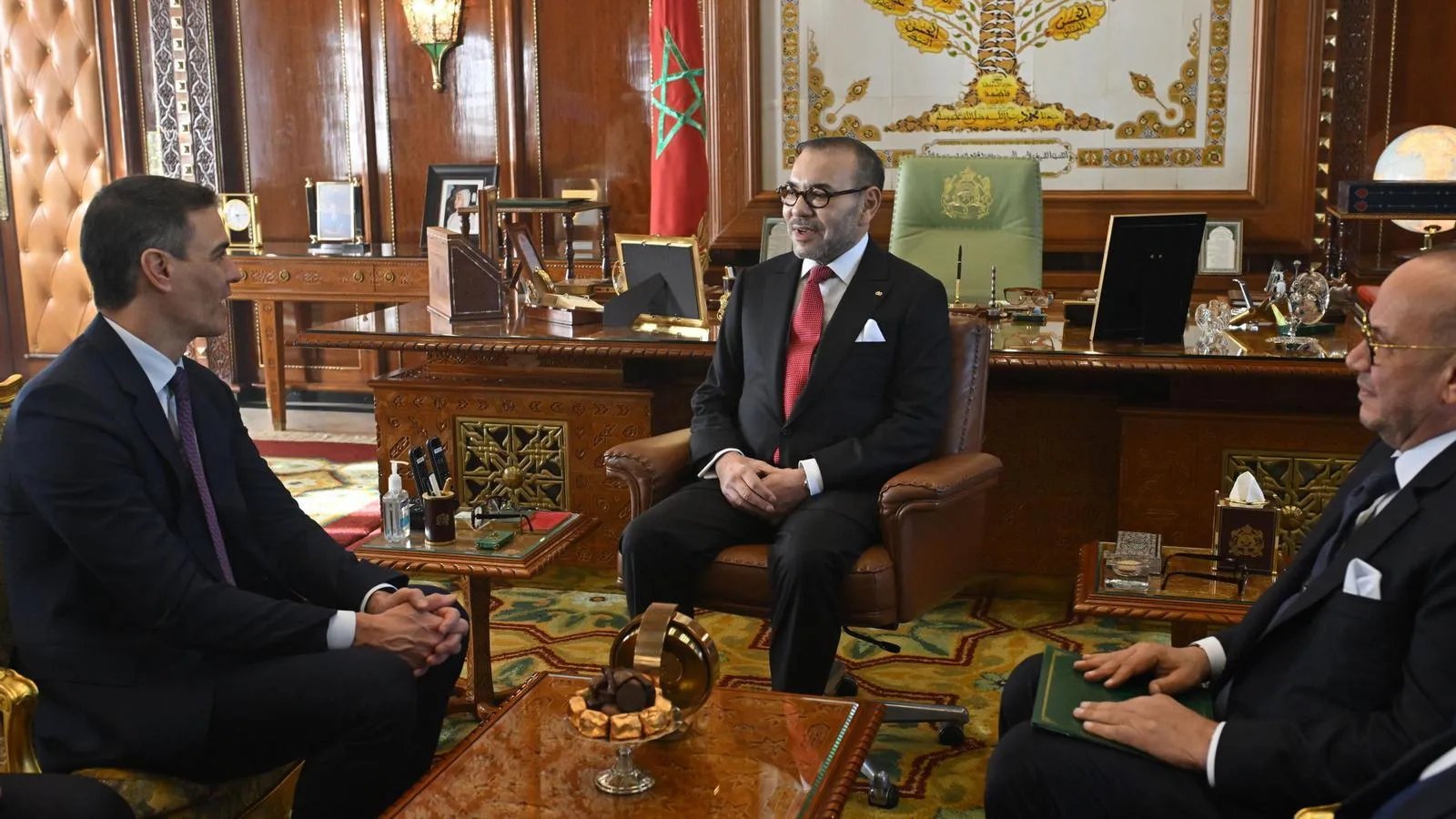
Most recently, the diplomatic relationship faced significant strain in 2021 when Spain permitted the entry of Brahim Ghali, leader of the Polisario Front, for medical treatment. This decision triggered a sudden migration crisis in Ceuta, with over 10,000 individuals crossing the border in a short span. The tensions were eventually eased when both nations agreed to a new framework for cooperation in 2022, which included measures to better manage irregular immigration. Moreover, Spanish Prime Minister Pedro Sánchez's endorsement of Morocco's stance on Western Sahara marked a notable shift in Spain's historical policy, paving the way for improved relations. Sánchez's visits to Morocco in 2023 and 2024 further indicate a commitment to strengthening ties, with government statements reflecting a perception of bilateral relations as "excellent" by late 2023.
As reported by en.ara.cat.