
The Growing Challenges of Moroccan Drug Trafficking into Europe
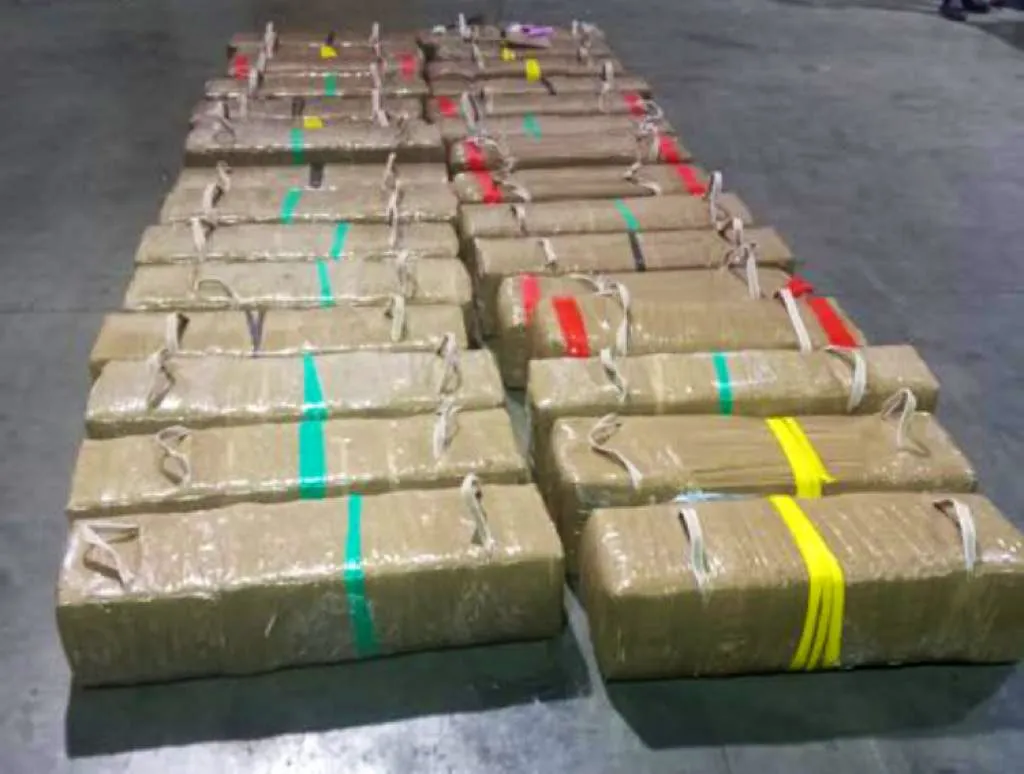
Recent data from Spain's Intelligence Center against Terrorism and Organized Crime has shed light on the alarming expansion of drug trafficking networks originating from Morocco to Europe, highlighting the increasing diversity of narcotics involved. According to reports published by "Europa Sur," incidents over the past couple of years illustrate the scope of these operations. In a notable recent case, the Spanish Civil Guard’s customs and border unit successfully thwarted an attempt to smuggle 10.2 kilograms of hashish from Morocco through the port of Ceuta. The operation resulted in the arrest of a Moroccan national residing in France who was preparing to board a ferry bound for Algeciras.
The findings from operations in Italy further reveal the transnational nature of these drug trafficking activities, showcasing a complex web of networks involved in the drug trade. For instance, Italian carabinieri apprehended a Moroccan man and woman in a coastal area between Capaccio Paestum and Eboli in southern Italy, where they were found in possession of 2.4 kilograms of cocaine and crack cocaine. Subsequent searches of their residences uncovered additional quantities of Moroccan hashish, marijuana, heroin, and cocaine. Simultaneously, these operations also unveiled an alarming trend: the possession of firearms, with authorities seizing three weapons and 280 rounds of ammunition, indicating a significant escalation in the criminal undertakings linked to these networks.
Seizures and Implications of Drug Trafficking
In a staggering revelation, Spanish authorities reported a seizure of 75.1 tons of hashish in the province of Cadiz within a single year, underscoring the vast quantities of narcotics flowing from Morocco across the Mediterranean. These consecutive law enforcement operations have implicated numerous Moroccan nationals in criminal networks responsible for the distribution and storage of these illicit substances throughout Europe. The data suggests that the Moroccan government may need to address the growing challenges posed by these criminal enterprises and their implications for countries on the northern shore of the Mediterranean.
In 2025 alone, authorities in Cadiz confiscated approximately 75.1 tons of cannabis resin, contributing to a national total of 198 tons seized across various regions in Spain. Additionally, cocaine seizures in the province amounted to 8.3 tons, equating to nearly one-third of the total quantity confiscated nationwide. The Spanish authorities have recorded at least 1,019 arrests in drug-related cases, a statistic that not only reflects the scale of the seizures but also highlights the increasing influx of Moroccan hashish into Spain. These transnational criminal organizations are funneling their profits back into an illicit drug economy, exacerbating the challenge for law enforcement agencies.
As these trends continue, the involvement of Moroccan nationals in these drug trafficking networks appears to extend beyond mere transportation roles, encompassing storage, distribution, and promotion of a variety of narcotics. The diverse range of drugs being trafficked indicates that the revenues generated from these illicit activities are becoming a significant contributor to Morocco’s parallel economy.
As reported by news.radioalgerie.dz.