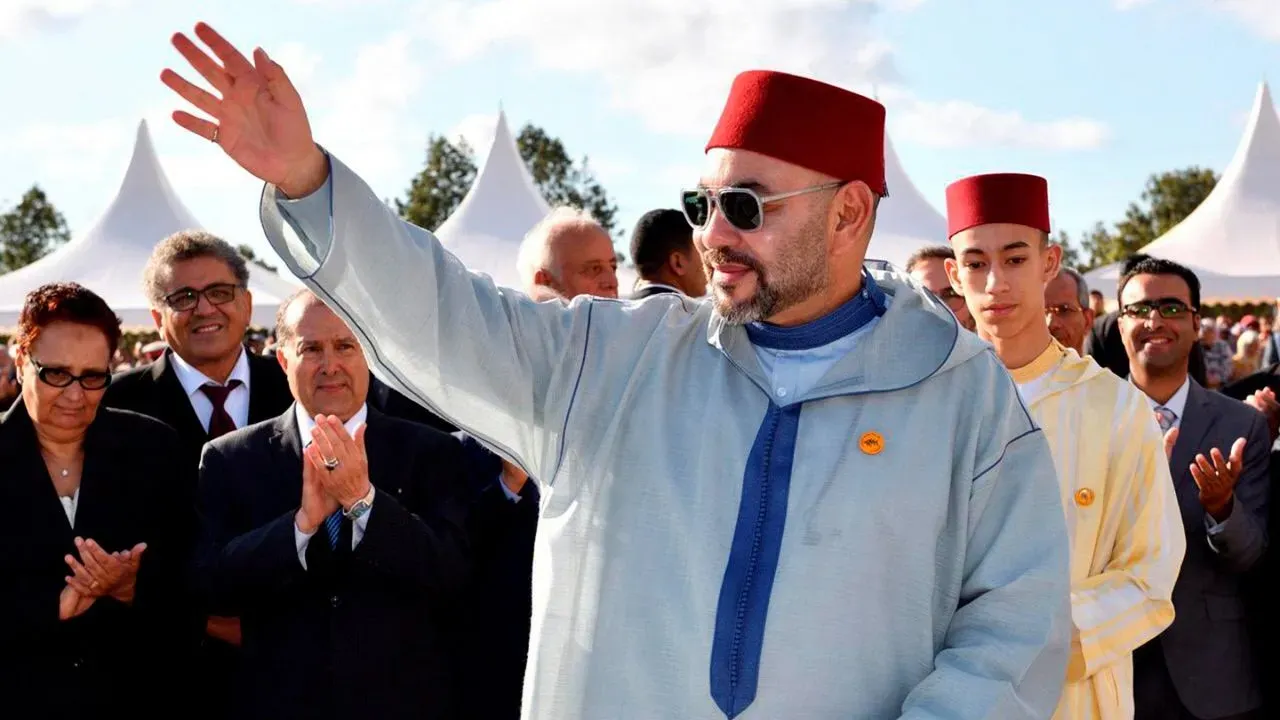

The Expansionist Ambitions of Morocco
The Kingdom of Morocco is increasingly vocal about its ambitions to assert control over the Spanish autonomous cities of Ceuta and Melilla, as well as claims over Western Sahara and parts of Mauritania. This renewed expansionist sentiment has been significantly highlighted in light of the ongoing migratory crisis that has plagued the region. The geopolitical dynamics surrounding these territories are complex, intertwining historical claims with contemporary political motives. Morocco's King Mohammed VI has not hidden his aspirations, which are seen as attempts to reclaim what some Moroccans consider their rightful territory. The assertion of such claims could alter the balance of power in the region, raising concerns and reactions from both Spain and the broader international community.
As the migration crisis deepens, the stakes have become higher, emphasizing the need for strategic responses from both Moroccan authorities and European nations. The influx of migrants seeking refuge often intensifies tensions at borders, notably in Ceuta and Melilla, which serve as gateways to Europe. In this context, Morocco's expansionist rhetoric can be interpreted as both a defensive posture and a strategic maneuver to leverage its geographical position. The situation presents a multifaceted challenge that not only affects regional stability but also influences international relations, particularly between Africa and Europe.
Implications for Regional Stability
The situation surrounding Morocco's claims over Ceuta and Melilla is emblematic of broader issues relating to territorial integrity and national sovereignty. As the country grapples with its aspirations, the implications for regional stability are profound. Increased military presence and assertive diplomatic posturing could lead to escalated tensions, making diplomatic engagements crucial. For Spain, safeguarding its territorial integrity while addressing the migration crisis is a balancing act fraught with challenges.
International observers are keenly watching how this situation evolves, given its potential to impact migration flows, security arrangements, and bilateral relations between Morocco and Spain. As both nations navigate this precarious landscape, the need for dialogue and cooperative solutions is more pressing than ever. The outcome will not only shape the future of Ceuta and Melilla but also set a precedent for how similar territorial disputes may be addressed in the future.
As reported by lavozdegalicia.es.