
The Future of Work in an AI-Driven World
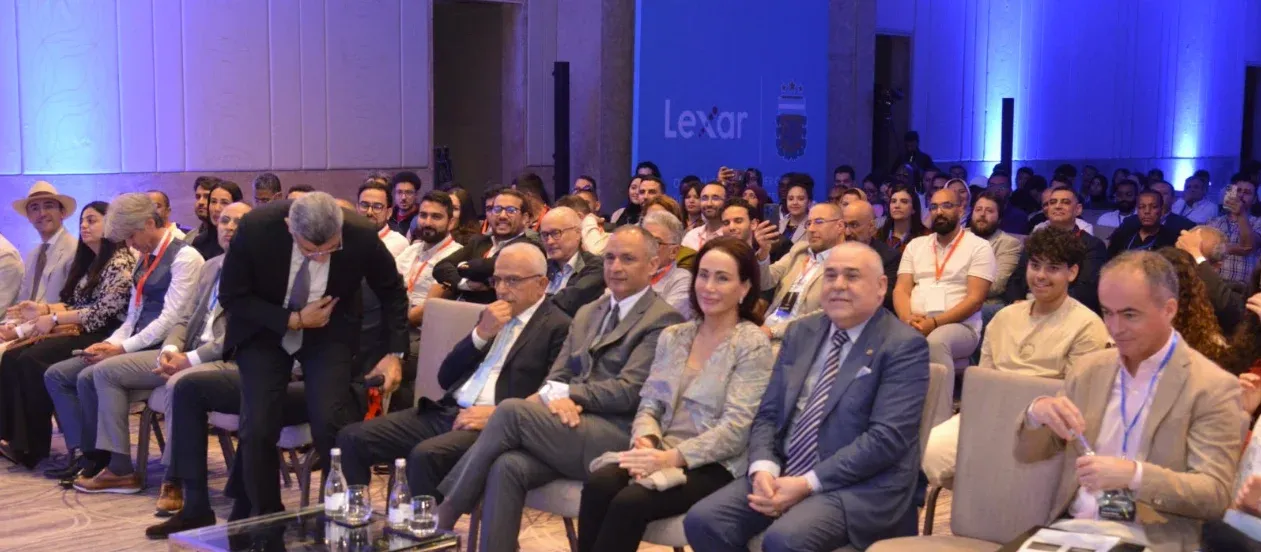
As we advance into an era dominated by artificial intelligence (AI), the discourse surrounding the role of human workers becomes increasingly vital. On May 23, 2026, Casablanca hosted the inaugural AI-Casablanca conference, which centered on the theme of human labor in the age of AI. This conference gathered an array of stakeholders, including government officials, entrepreneurs, and international experts, all focused on exploring the implications of AI integration in the workplace.
The event was orchestrated by Morocco Business Catalysts, a prominent organization dedicated to enhancing the economic and technological landscape in Morocco and across Africa. The Minister of Industry and Commerce, Ryad Mezzour, set a compelling tone for the discussions by asserting that the progression of AI is inevitable. He emphasized that rather than resisting this technological advancement, the most pragmatic approach is to utilize AI as a tool to refine and enhance human skills.
In his address, Mezzour painted a stark picture of the future labor market, suggesting that within a decade, AI could potentially perform all tasks currently undertaken by humans, spanning manual labor to creative and analytical roles. While this prospect may seem daunting, he urged attendees to embrace this challenge as an opportunity to cultivate uniquely human abilities that machines cannot replicate.
Echoing this sentiment, Abdellatif Maâzouz, the President of the Casablanca-Settat Regional Council, encouraged startups and small businesses to adopt AI technologies, highlighting the time-saving benefits already experienced in the council's program preparations. His call to action underscored the importance of integrating AI within local enterprises to boost operational efficiency.
Balancing Human Skills with AI Efficiency
As the conference progressed, a panel of AI specialists provided deeper insights into the evolving landscape of business operations. Dominique Lahaix, an expert in the field, argued that companies must find a balance between leveraging data-driven marketing intelligence and maintaining human-centric skills. He posited that while AI tools can bolster productivity and streamline processes, they fundamentally alter the internal workings of businesses and necessitate a reevaluation of traditional business models.
The overall consensus from the AI-Casablanca conference was clear: while AI presents unprecedented opportunities for startups and small businesses, it also poses a substantial threat to many existing jobs. The challenge lies in striking a balance between utilizing AI's efficiency and preserving the essential human qualities that contribute to the workplace. The dialogue initiated at this conference is crucial as it shapes the future trajectory of work in an increasingly automated world, encouraging stakeholders to collaboratively redefine the role of human labor.
As reported by lnt.ma.