The Maghreb's Intricate Position in the US-Israel-Iran Conflict
The Maghreb region is closely observing the ongoing US-Israeli conflict with Iran and its subsequent ramifications across the Middle East, recognizing the stark geopolitical and economic implications that will inevitably influence the power dynamics within North Africa. The airstrikes targeting Tehran are not just military actions; they are part of a broader strategic narrative that encompasses critical issues such as the fate of Western Sahara, alliances throughout the Sahel, and the strained relations between North African neighbors, Algeria and Morocco. Historically, Tehran has viewed Algeria as a strategic ally, albeit to a lesser extent with Tunisia, while perceiving Morocco as an adversary. This longstanding enmity has led to divergent responses from Algiers and Rabat regarding the evolving situation.
Algeria is attempting to navigate a complex diplomatic landscape, striving to uphold its principles while safeguarding its interests. The nation is benefiting from an upswing in energy prices, positioning itself as a significant player in the oil and gas markets. Conversely, Morocco perceives the conflict as an opportunity to reinforce its strategic ties with Washington, Israel, and Gulf states, particularly in light of ongoing negotiations concerning Western Sahara—a territory that Morocco claims and has occupied for decades.
Morocco's diplomatic stance took a decisive turn in 2018 when it severed ties with Iran, citing allegations of Iranian support for the Polisario Front, the Sahrawi independence movement backed by Algeria. With the onset of war in the region on February 28, Morocco quickly condemned Iranian actions against its Gulf neighbors while opting for silence regarding the US-Israeli assaults on Iran and Lebanon. This approach mirrors its prior alignment with the Saudi-led coalition against Yemen's Houthis, who are also aligned with Iran. Raouf Farah, an Algerian-Canadian political scientist, aptly notes that Morocco's current stance stems from its historical animosity towards Tehran, its partnership with Washington, and the sensitive nature of the Western Sahara conflict.
Internal Pressures and the Western Sahara Dilemma
In December 2020, Morocco normalized relations with Israel as part of the Abraham Accords, obtaining US recognition of its claim over Western Sahara in exchange. This diplomatic realignment has strengthened Morocco's ties with the US, positioning it as a crucial ally in Africa while enhancing cooperation with Israel. However, this pivot has not been well-received domestically, where public sentiment largely opposes the Moroccan monarchy's alignment with Israel and the US amid escalating tensions in the region. Researcher Nacer Djabi highlights the divergence between public opinion and government actions, indicating that the Moroccan populace is increasingly critical of the monarchy's foreign policy. Despite the rising unrest, the political climate in the Maghreb often stifles dissent, leaving citizens with limited avenues to express their discontent.
The Western Sahara issue remains central to Morocco's diplomatic and domestic strategy, gaining momentum with US backing for backdoor negotiations among the key players involved. These discussions, set to resume in Washington, aim to reach a conclusive agreement as outlined in UN Security Council Resolution 2797, which grants Morocco unprecedented support for its autonomy plan over the disputed territory. Algeria, steadfast in its support for the Sahrawi people's right to self-determination, severed ties with Morocco in 2021, primarily due to the escalating tensions surrounding Western Sahara and Morocco's burgeoning relationship with Israel. This geopolitical rivalry is not only about territorial claims but also reflects a deeper struggle for influence within the Sahel region.
Morocco's official rhetoric often links the Polisario Front to Iran, a narrative that the Sahrawi Liberation Movement vehemently denies. Such allegations could be strategically employed by Rabat to categorize the Polisario as a 'terrorist entity,' thereby undermining its legitimacy, particularly if negotiations falter. For Algeria, the current geopolitical climate presents significant risks, emphasizing the importance of avoiding isolation during this crisis. An anonymous Algerian diplomatic source conveyed that the nation is focused on diversifying its partnerships and minimizing dependence on Western supply chains while navigating the delicate diplomatic terrain.
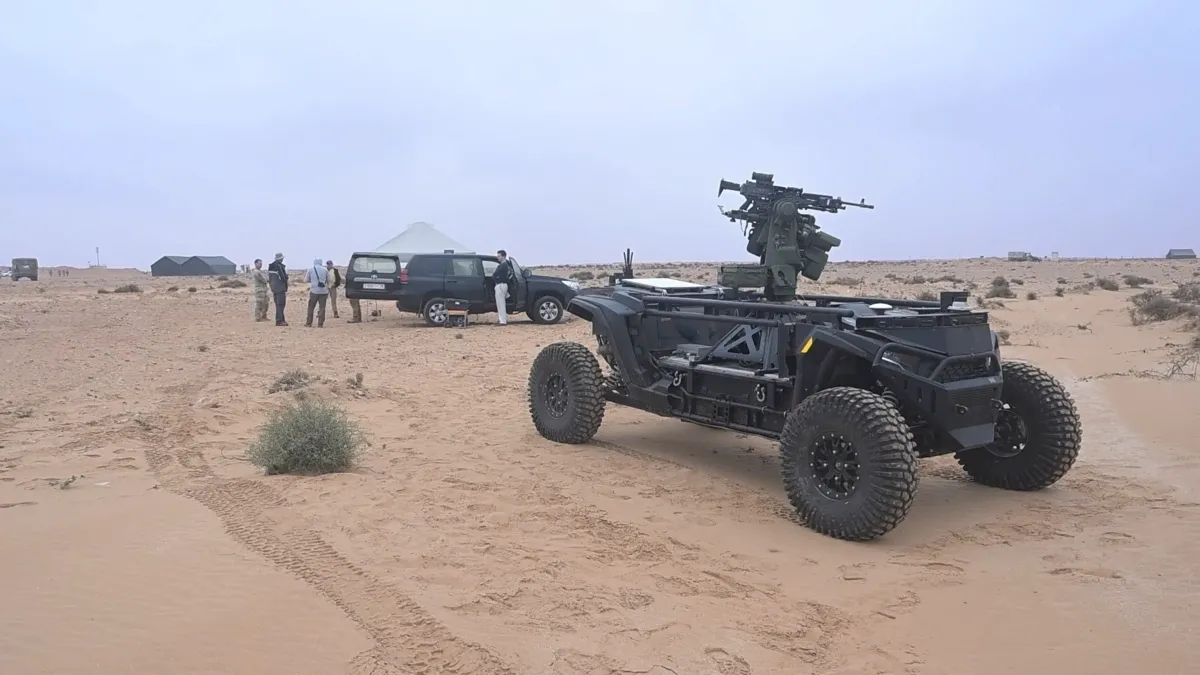
Despite the lack of an imminent military confrontation, the ongoing arms race between Algeria and Morocco, both major arms importers in Africa, raises concerns about future escalations. The Algerian government is treading carefully, striving to maintain a pragmatic approach that doesn’t provoke the ire of the US while also avoiding perceptions of alignment with Washington's stance. Algeria has called for restraint amid the US-Israeli strikes against Iran, expressing solidarity with Arab nations affected by military aggression, without directly naming Iran as the aggressor. This careful balancing act showcases the complexities of Maghreb politics as it seeks to uphold its non-interference principles in a rapidly changing regional landscape.
As reported by middleeasteye.net.