
The Misconception Surrounding Academic Qualifications
The first revelation comes from the PNEA 2019 report, which contradicts popular belief by indicating that academic diplomas, including doctorates, have little to no significant impact on student performance. The data is striking: students taught by teachers with merely a bachelor's degree sometimes outperform those whose instructors hold doctoral degrees. This leads to an important realization: success in education is not determined by the number of years spent in higher education but rather by initial teacher training and practical experience.
Teachers trained at the pedagogical centers (CRMEF) demonstrate a significant and positive impact on student learning outcomes. In contrast, those hired in an emergency manner, often with hastily arranged training lasting only a few days, tend to negatively affect results. The paradox is harsh: Morocco hired around 35,000 contract teachers between 2016 and 2018 to address a shortage, yet this urgent policy has compromised the profession's integrity. The aspirational new model labeled 'Future Teacher'—which includes an education degree, a year at the CRMEF, and an internship—was designed to elevate standards. However, due to administrative challenges, this training year often shrinks to just four months.
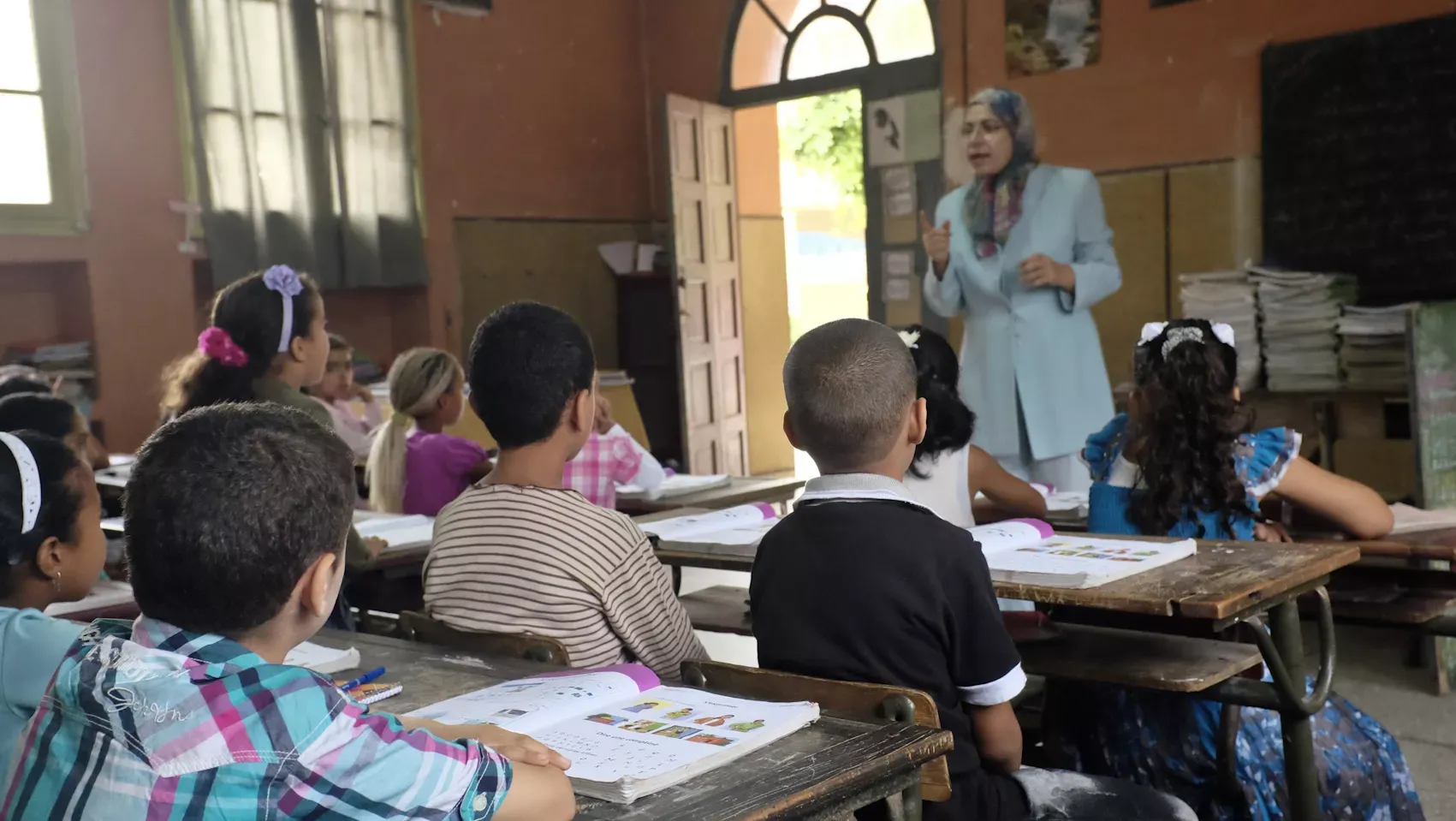
New teachers face the daunting task of managing overcrowded classrooms without having acquired the necessary didactic and pedagogical tools, betraying the reformative promise made to them.
Continuous Training: A Silent Waste
While initial training shows significant shortcomings, continuous education is hardly in a better state. The TALIS 2024 report reveals that 90% of teachers participate in training sessions; however, the PNEA 2019 tempers this optimism with a troubling statistic: more than 60% of primary teachers have not benefited from any useful training in the last five years. Even more alarming, 61% to 64% of those who do participate deem these training modules as irrelevant, overly theoretical, and disconnected from classroom realities. Statistical models confirm this inefficacy: continuous training does not significantly affect middle school test scores, rendering the financial investments largely futile. Teachers perceive these sessions as mere administrative formalities, devoid of any recognition in career advancement, effectively stifling any potential for professional development.
Beyond the inadequacies of training, the everyday reality of the teaching profession raises alarms. Nearly 300,000 teachers bear the weight of the Moroccan education system. A significant majority, 78% in middle schools, chose this career out of vocation, a figure that surpasses the international average. However, this sense of calling clashes with the harsh reality of their compensation. The TALIS 2024 survey highlights a dismal scenario: only 21% of primary teachers and 39% of secondary teachers express satisfaction with their salaries. A starting salary of approximately 5,000 dirhams net falls woefully short when juxtaposed against the cost of living.
The 2023 Unified Status introduced an additional 9 billion dirhams and promised salary increases; however, the much-debated raise of 2,500 dirhams for new hires remains at the center of ongoing labor disputes, fostering a deep sense of injustice among educators. The working conditions exacerbate the discontent: 70% of teachers experience significant administrative and professional stress, and 68% struggle to maintain classroom discipline. Average class sizes hover around 40 students, and can reach up to 55 in underprivileged neighborhoods, where one-third of students tend to drop out. Territorial disparities are glaring, with rural areas suffering from isolation and a lack of infrastructure that further deteriorates teaching conditions.
Although there are superficial signs of recognition, they are less prevalent in the most challenging schools, as if the efforts made under precarious conditions are paradoxically the least valued.
As reported by mobile.telquel.ma.