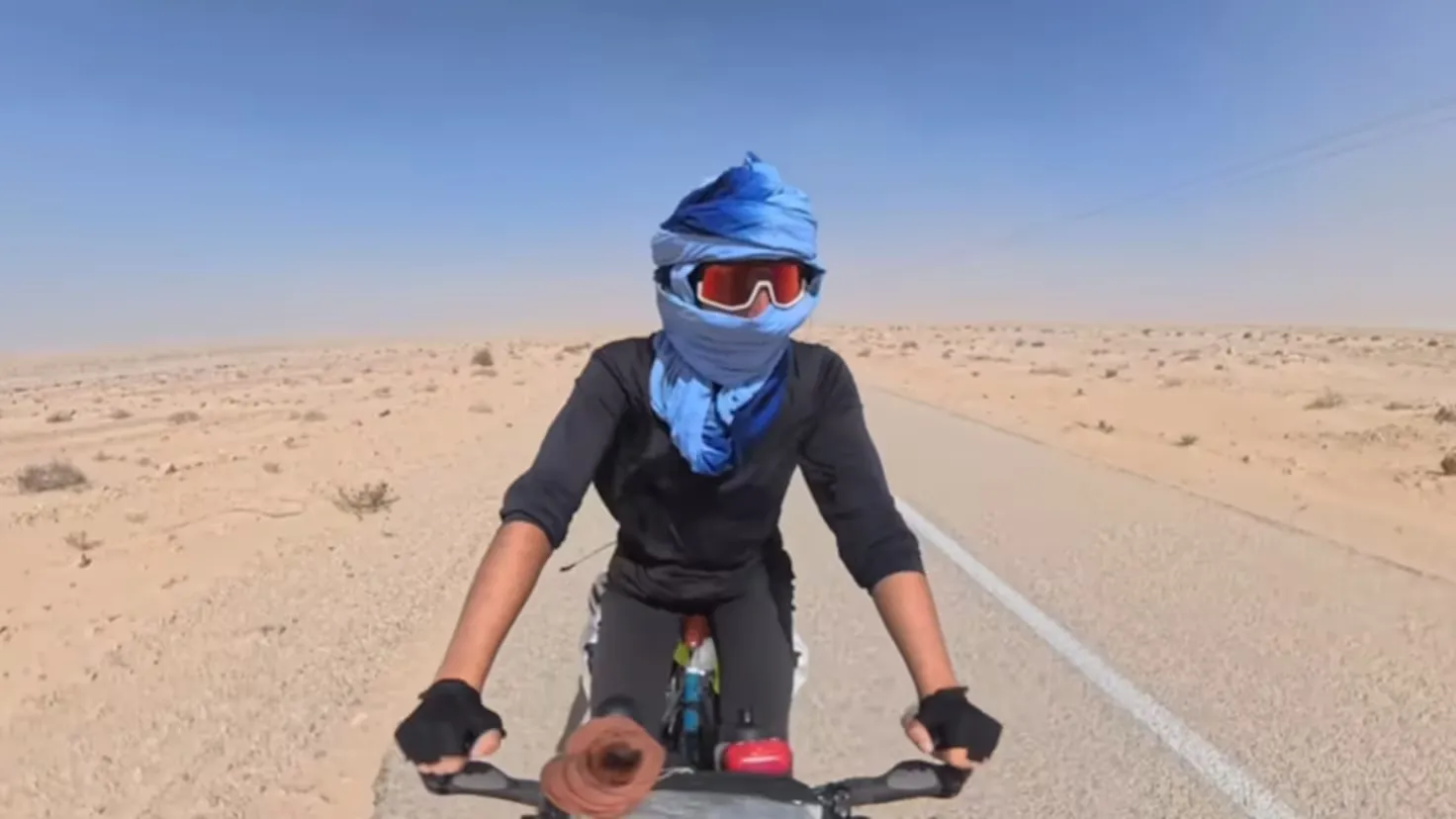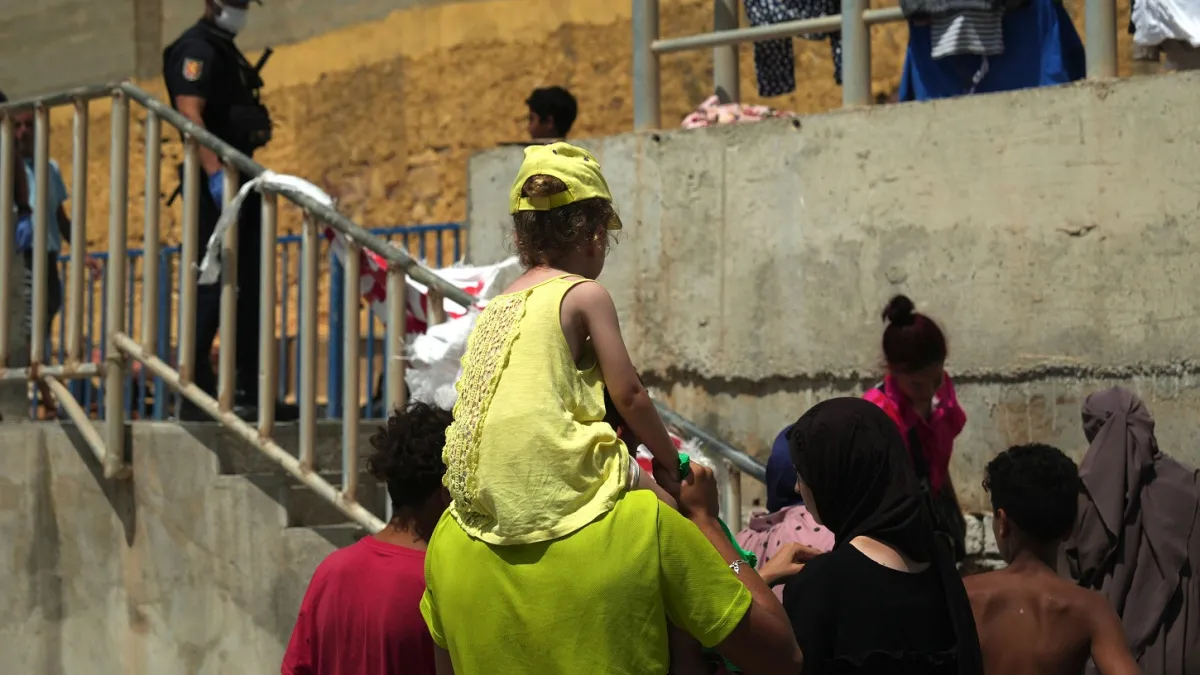

The perilous maritime escape to Ceuta involves the lives of at least 72,000 individuals, many holding Moroccan passports. This mass migration is driven not solely by the stark economic disparities, pervasive poverty, and lack of job opportunities in Morocco, but also by the severe oppression that many endure within their own country. Renowned Moroccan journalist Ali Lmrabet articulates this reality, stating, "This is proof that everyone wants to leave Morocco. Those with education and resources head to Canada, while the vast majority aim for Europe. If no one understands this, it's because they choose not to." The reasons prompting a generation of Moroccans to view Ceuta, located just a few kilometers from their homeland, as a potential escape route are complex and multifaceted, particularly given the inherent risks, including the possibility of drowning during their attempts to swim to safety.
Moreover, the motivations extend beyond economic factors, encompassing the broader spectrum of personal freedoms. An exiled Berber from the Rif region, who has lived in the Basque Country since 2017, reflects on this lack of freedom, lamenting, "In Morocco, there is no freedom; it is pure dictatorship." The jailing of youth who protested for basic rights, such as hospitals, universities, and jobs, in Alhucemas starkly illustrates the oppressive political climate. Political prisoners continue to fill Moroccan jails, arrested for breaching three critical taboos: the monarchy, Islam, and territorial integrity. Currently, Sahrawi prisoners from the Camp of Dignity, Rif activists, and youth from the recent GenZ212 protest movement are serving sentences, with many seeking asylum in Europe to escape persecution.
Ali Lmrabet emphasizes the universal desire for a dignified life alongside fundamental freedoms, stating, "They are leaving due to the socio-economic situation, the absence of freedoms, and the hope for a better future. Everyone yearns for a dignified life with fundamental liberties. Some simply ask, 'If Westerners live better, why can't I?' This succinctly summarizes the current crisis." It becomes evident that not all young people are crossing to Ceuta in search of economic improvement; a significant number are fleeing a country where life prospects are severely curtailed by repression, social control, and a lack of freedoms.
The Evolving Nature of Repression in Morocco
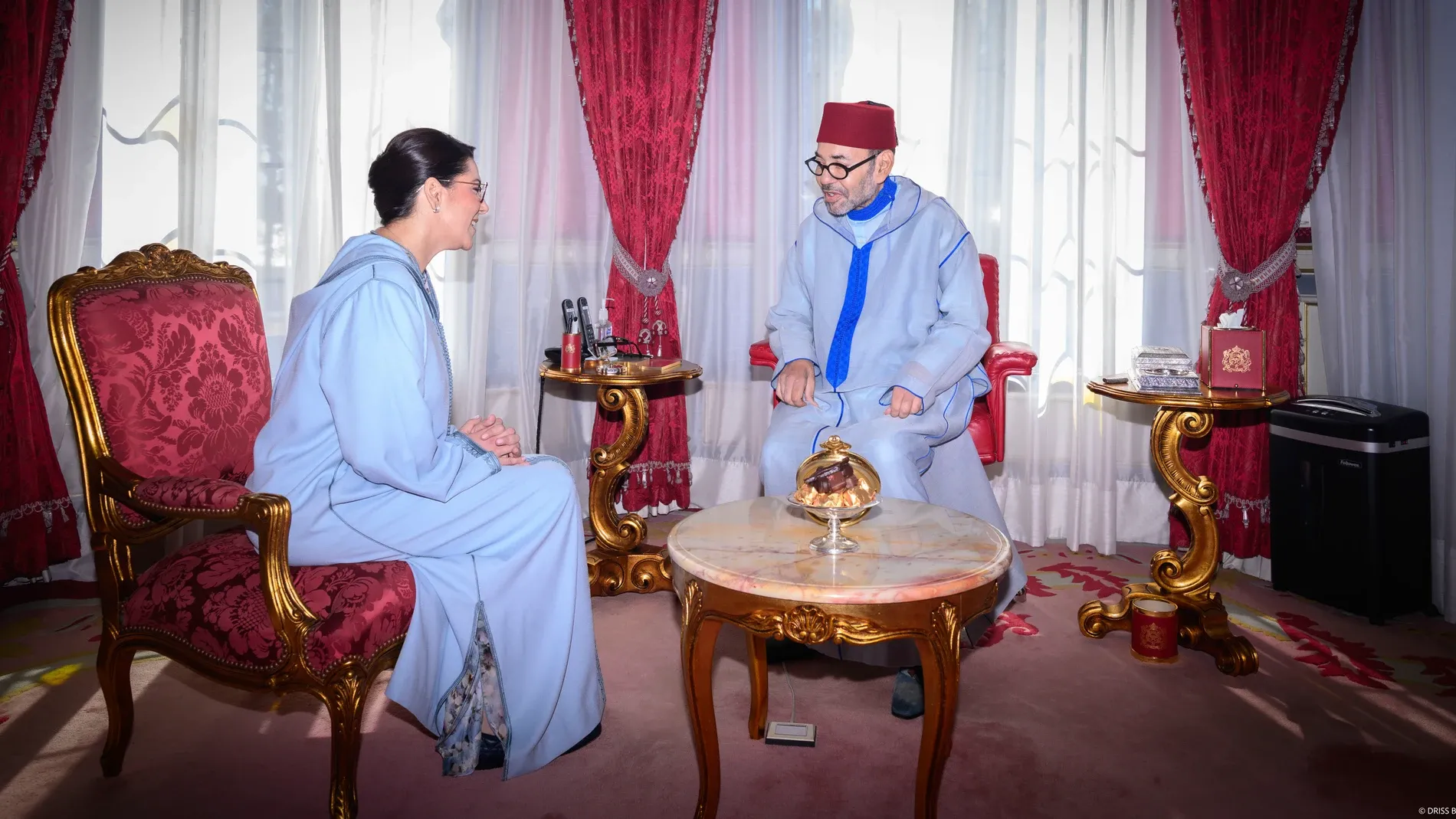
Although King Mohammed VI is perceived as leading a period of political liberalization, the reality is that conditions have deteriorated compared to when he ascended the throne 27 years ago. Over these decades, the nature of repression has transformed; it is no longer limited to imprisoning dissenters. Today, it encompasses smear campaigns, digital surveillance, travel restrictions, intimidation of family members, and leveraging accusations related to personal life, as documented by organizations like Human Rights Watch and Amnesty International. While the king has successfully developed major infrastructures, such as Africa's first high-speed train, and strengthened Morocco's ties with significant allies like the United States, Israel, China, and Russia, there remains a critical area of concern: the respect for human rights and individual freedoms.
In Morocco, being a single mother often leads to social ostracism, premarital sexual relations are illegal, and women who seek abortions outside legal frameworks face criminalization. Furthermore, homosexuality is still punishable by law, child marriages persist, and religious marriages, devoid of legal recognition, disadvantage women, leaving them vulnerable and sometimes abandoned without financial support. This systemic inequality has fueled widespread discontent. One heart-wrenching case involves Khadija, who took her own life at 18 after her father forced her into marriage with a widower in their village. Human rights organizations advocate for the establishment of regulatory bodies to oversee such practices independent of government influence.
Another notable case is that of Amina Fiali, who tragically took her life at just 16 years old after being coerced into marrying a man she accused of raping her. In response to public outcry, the amendment to Article 475 of the Penal Code, which allowed rapists to evade prosecution by marrying their victims, was repealed in 2014. Among those who sought refuge in Ceuta are Najwa and Khadija, a lesbian couple aged 20 and 22, who fled Morocco to marry in Spain after three years of concealing their relationship due to fear of reprisals. Their families remained unaware of their sexual orientation, mistaking them for mere friends. They shared their journey of love in a local publication, expressing their desire to break free from a life filled with deception.
Struggles for Equality and Rights
Nevertheless, the outdated Penal Code is compounded by delays in the second reform of the Moudawana, or Family Code, which epitomizes the conflict between modernization and tradition. King Mohammed VI ordered a review of this code in 2023, following its announcement a year earlier. The proposed reform would introduce significant advances for women, such as recognizing mothers' rights over their children and mitigating penalties faced by remarried women. However, complete equality remains elusive, as polygamy is still permitted under certain conditions, and inheritance laws continue to favor men. The contentious rule of _taasib_ allows male relatives to inherit when a woman lacks male descendants, highlighting the ongoing inequalities. This issue is particularly sensitive, as the king has made it clear that reforms cannot contradict religious tenets, which presents a significant challenge for feminist organizations advocating for change.
One of the most outspoken activists against these regulations is Ibtissam Lachgar, founder of the Alternative Movement for Individual Liberties (MALI), who is currently serving a two-and-a-half-year prison sentence for posting a photo of herself online wearing a shirt that reads, "God is a lesbian." Despite the oppressive climate, Moroccan society has demonstrated remarkable resilience, organizing protests and demanding rights. Civil society has been building spaces for resistance for decades, with feminists, human rights defenders, journalists, lawyers, and LGBTQ+ activists learning to operate within the confines of what is permissible. As formal avenues for activism become increasingly complex, informal networks gain prominence. Consequently, the internet has emerged as a crucial platform for protest, where activists coordinate demonstrations, expose abuses, and share testimonies.
However, the crackdown on online dissent extends even to Moroccan activists residing in Europe. This year alone, there have been notable arrests, including that of 28-year-old Zineb Kharroubi, who was detained at Marrakech airport for supporting the GenZ212 youth movement on social media, and rapper and filmmaker El Mahdi Lyoubi, who spent a month and a half in prison. The struggle for freedom and dignity continues for many, as they navigate the treacherous waters of oppression and seek a better future.
As reported by publico.es.