
Wiam's Struggle: A Story of Fear and Resilience
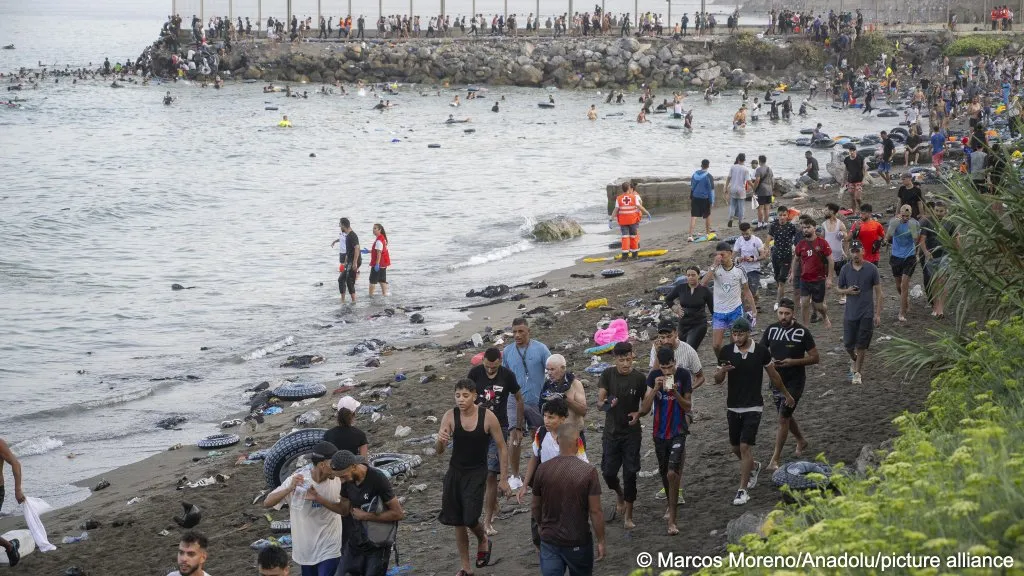
Wiam, a 23-year-old migrant, has spent over a week sleeping on the bare ground of an outdoor football field in the La Reina neighborhood of Ceuta. This makeshift shelter, hastily established by local residents, has become a refuge for her and other women who, just a month ago, were strangers. Driven by fear, Wiam swam to reach the city, escaping a nightmare in Morocco where her father threatened her life. "My father wanted to abuse me, and he threatened to kill me if I returned. I needed to flee and change my life," she recounted to EFE, revealing the traumatic circumstances that pushed her to embark on this dangerous journey.
A Community's Effort Amidst Adversity
Wiam's story intertwines with that of many other mothers, young women, and girls who have temporarily settled in Ceuta to find a sense of safety. Lying on the ground atop blankets donated by locals or mats provided by a nearby mosque, they face significant hardships, lacking basic amenities such as showers and having only one bathroom available. The majority of the area is devoid of shade, leaving them vulnerable under the scorching sun during the peak hours of the day. Unlike groups of men distributed around other parts of the city, many of these women communicate their desire for privacy through gestures, requesting not to be filmed. Despite the grim conditions, they strive to maintain order in their daily lives, with mothers diligently folding donated clothing, organizing supplies, and distributing available food.
Wiam has found that sharing this space exclusively with other women and children has been pivotal in helping her cope with the emotional toll of her journey. "I feel very safe here," she states, expressing how quickly she has formed friendships with others in similar situations. In Ceuta, her goal extends beyond merely seeking employment; she aims to escape the constant danger and lack of protection she faced in her home country.
The makeshift shelter in La Reina emerged from the desperate initiative of local residents who witnessed increasing cases of extreme vulnerability and assaults on girls sleeping outdoors. Abdelah Mustafa, president of the Sidi Embarek Neighborhood Association, which oversees the organization of this space, explains, "We decided to provide them with shelter and refuge." What began as an emergency accommodation for just ten individuals quickly swelled to nearly 300 women and children, overwhelmed by the collapse of official resources.
Local residents are actively contributing by providing blankets and sheets from their homes to ensure that migrants do not have to sleep directly on the ground. They also take turns to conduct nighttime surveillance around the sports facility, demonstrating a strong sense of community. "We leave here early in the morning, trying to find space for all those arriving. We prefer to be here, even with the limited resources available, rather than having them in the mountains unprotected," Abdelah emphasizes, highlighting the community’s commitment to supporting those in need.
The demographic of those crossing this time has surprised local residents. "It has been very strange. Previously, the majority were men, but this time it's women, children, babies, and even disabled boys," Abdelah notes, reflecting on the unusual circumstances of this migration wave. "It was like a collective madness," he recalls, describing the bewilderment many of these women experienced upon arrival. Some left their homes for simple errands, only to find themselves at the beach because they were told the border was open, while their mothers anxiously awaited their return home. Wiam, like many women enduring this ordeal, dreams of relocating to the mainland to start a new life where she no longer has to live in fear.
As reported by telecinco.es.