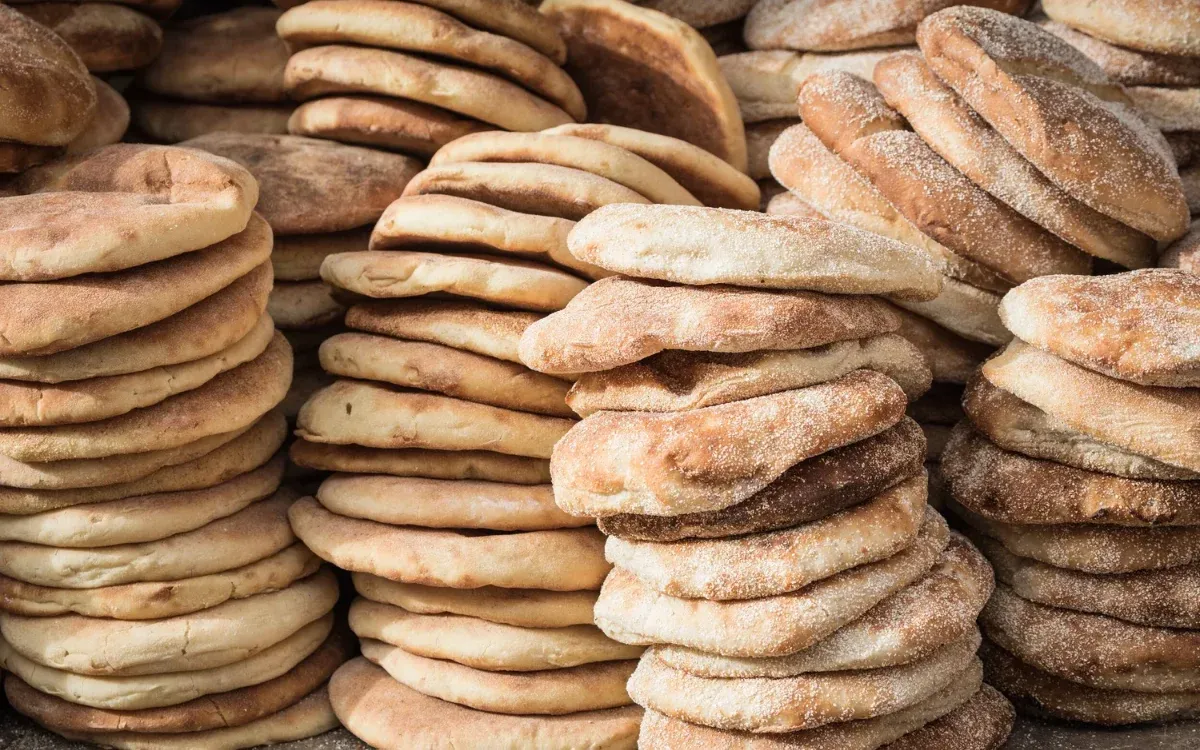

In Morocco, a troubling trend has emerged in the bakery industry, where some bakers are reportedly adding sugar to the bread dough without informing customers. This practice has raised significant concerns among consumer protection organizations and health experts, especially considering the potential risks it poses to individuals who must monitor their sugar intake, such as diabetics. A recent investigation conducted by Hespress highlights this issue, revealing that bakers use granulated sugar to achieve a quicker golden color for the bread, making it appear more appetizing and well-baked, despite the possibility that the bread may not be fully cooked internally.
According to Bouazza Kherrati, the president of the Moroccan Consumer Rights Federation, the lack of transparency regarding the ingredients used in bread is particularly alarming. Consumers are often unaware that an additional ingredient has been included, which can lead to serious health implications for those with dietary restrictions. In response to these concerns, the National Federation of Bakeries and Pastries has distanced itself from this practice, asserting that quality bread can be achieved through proper kneading, sufficient resting time, and adequate fermentation without the need for added sugar. However, it is acknowledged that some unregulated bakeries continue to employ this method to expedite production.
The issue extends beyond just the addition of sugar; it encompasses the broader problem of insufficient information available to consumers. Many individuals purchase bread under the assumption that they are aware of its composition, only to discover later that it contains undisclosed ingredients. This lack of transparency is compounded by the fact that many clandestine bakeries operate in various neighborhoods, producing bread of questionable quality that may not adhere to health standards.
As reported by bladi.net.