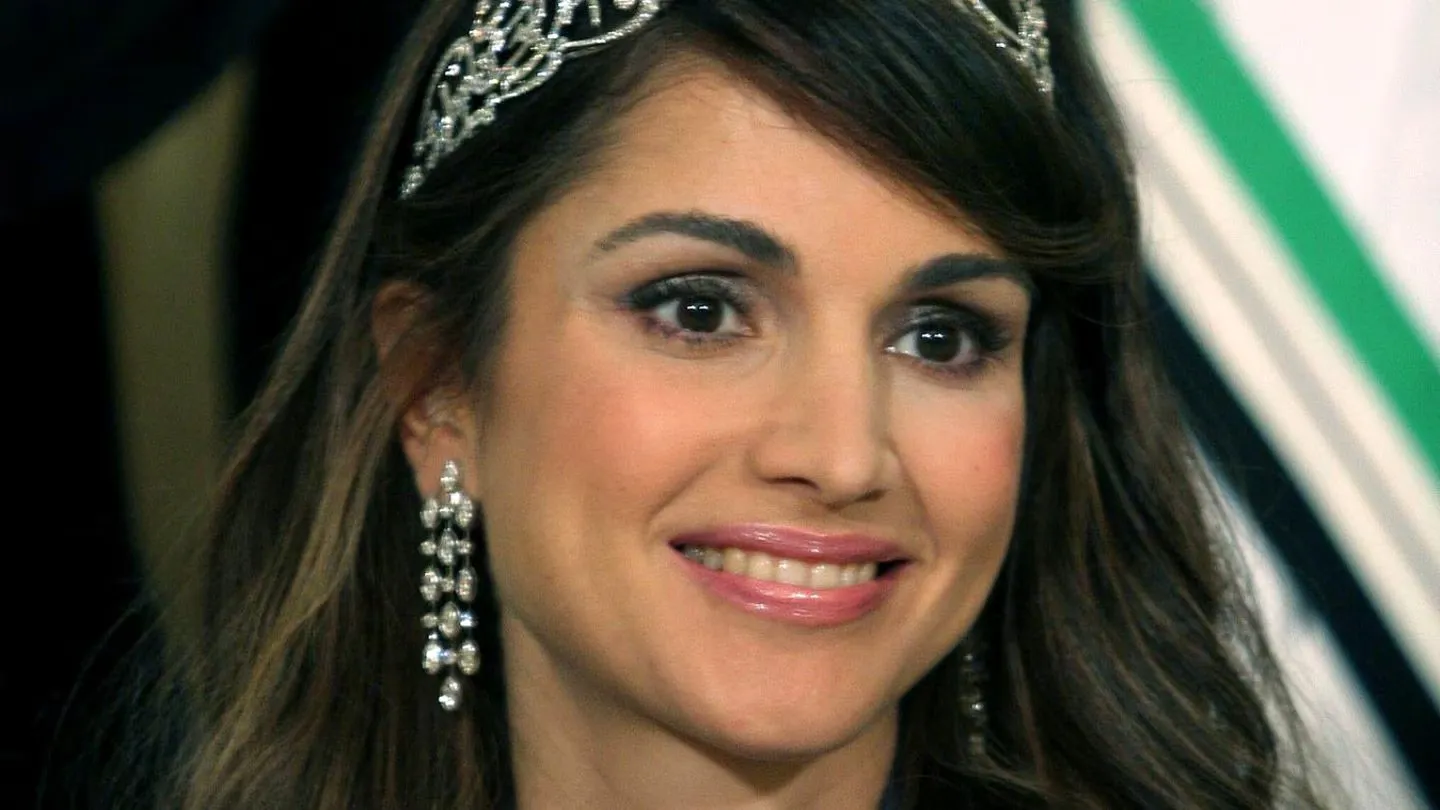

In the realm of royal accessories, certain exquisite pieces often go unnoticed, particularly those belonging to Eastern royalty. Unlike their European counterparts, these regal figures are less frequently in the public eye, making it challenging to access images of their official appearances. While it is not guaranteed that a diadem from a royal treasury will make an appearance at a state dinner, GALA has captured the most breathtaking moments of these stunning jewels for your enjoyment.
One of the most talked-about pieces is Queen Rania's Script Diadem, which she first wore in 2006, a gift from King Abdullah purchased from the renowned jeweler Fred. The world fell in love with its hanging diamonds and the striking central gemstone. However, this remarkable jewel mysteriously vanished for 15 years, only to resurface on a special occasion in a different form. Similarly, Queen Aishwarya of Nepal, who married Crown Prince Birendra in 1970, wore one of the rarest royal jewels—the Nepalese Emerald Diadem—crafted by the Parisian jeweler Fred, until the monarchy in Nepal was officially abolished in 2008.
In another royal story, the late King Hussein's fourth wife showcased a unique sapphire brooch during a meeting with Bill Clinton in 2005. This brooch made a significant comeback 15 years later when it adorned her daughter, Princess Raiyah bint Hussein, on her wedding day, styled in a manner that contrasted with her mother's choice of dark, often blue, gowns. Meanwhile, the disappearance of Princess Lalla Salma of Morocco remains a mystery, as does her scarce public presence. However, Princess Lalla Khadija, from a young age, possessed a mini-diamond diadem. During her first solo appearance in 2019, and again in 2024 during a visit from Brigitte Macron, all eyes were on her, showcasing the growing legacy of this piece.
The illustrious history of royal jewels continues with a fascinating account of the Empress of Iran, who in 1967 donned an extraordinary crown crafted by the prestigious jeweler Van Cleef & Arpels. The crown, a staggering assembly of 1,469 diamonds, 105 pearls, 36 emeralds, and 36 rubies, weighs nearly two kilograms and was created in a secret vault in Tehran, as the gems were not permitted to leave the country. As you explore the gallery, you will discover more about Empress Farah Pahlavi’s crown and its significance in Persian history.
Queen Jetsun Pema of Bhutan wears the enchanting Phoenix crown on significant occasions, including her wedding in 2011 and at state banquets. This crown serves as a powerful symbol of the monarchy and royal legitimacy, especially during Bhutan's National Day celebrations. The origin of its name is revealed in the accompanying photo gallery.
Before ascending to the throne in 1941, Mohammad Reza Pahlavi commissioned two diadems and three necklaces from the French luxury jeweler Boucheron for his wedding to an Egyptian princess in 1939. One of these, a diamond diadem adored by his firstborn daughter, Princess Shahnaz, has not been seen since 1967, and the reasons for its disappearance are explored in the images provided.
The tale of the Great Table Diamond, one of the largest pink diamonds discovered, adds another layer to the narrative of royal jewels. Originally adorning the Peacock Throne in Delhi, this diamond was seized by Nader Shah in 1739 and transported to Persia, where it was cut into the Daria-i-Nur and Noor-ul-ain diamonds, both of which remain part of Iran's crown jewels today. The former is featured in Empress Farah's wedding diadem, with more details available in the gallery.
Among the remarkable creations is the Aga Khan Emerald, which has a rich history. This emerald is part of a brooch that Prince Aga Khan commissioned at Cartier for his bride Nina Dyer in 1960. This extraordinary piece was auctioned off, with its recent reappearance at Christie's noted as a thrilling moment by François Curiel. Muzo emeralds, celebrated for their vibrant green color and transparency, add to the allure of this exquisite jewel.
Cartier's fascination with Egyptian motifs, which began in the 1920s, also finds a place in the stories of these jewels. Their collections, inspired by visits to Egypt, include scarabs and symbolic designs, reflecting the ancient culture's beliefs in rebirth and spiritual renewal.
In addition to two diadems from Queen Rania, many more jewels await their moment to shine in this ongoing collection, including the recently rediscovered diamond diadem of Princess Shahnaz.
As reported by gala.de.