
The Foundations of the U.S.-Morocco Alliance
The alliance between the United States and Morocco is steeped in history, dating back over two centuries to a time when both nations were at pivotal points in their respective journeys. The relationship was formalized in 1786 with the signing of the Treaty of Peace and Friendship, which marked Morocco as the first country to recognize the sovereignty of the United States. This treaty not only facilitated trade and navigation between the two nations but also allowed the young American republic to establish its legitimacy on the world stage amid the threats posed by Barbary pirates.
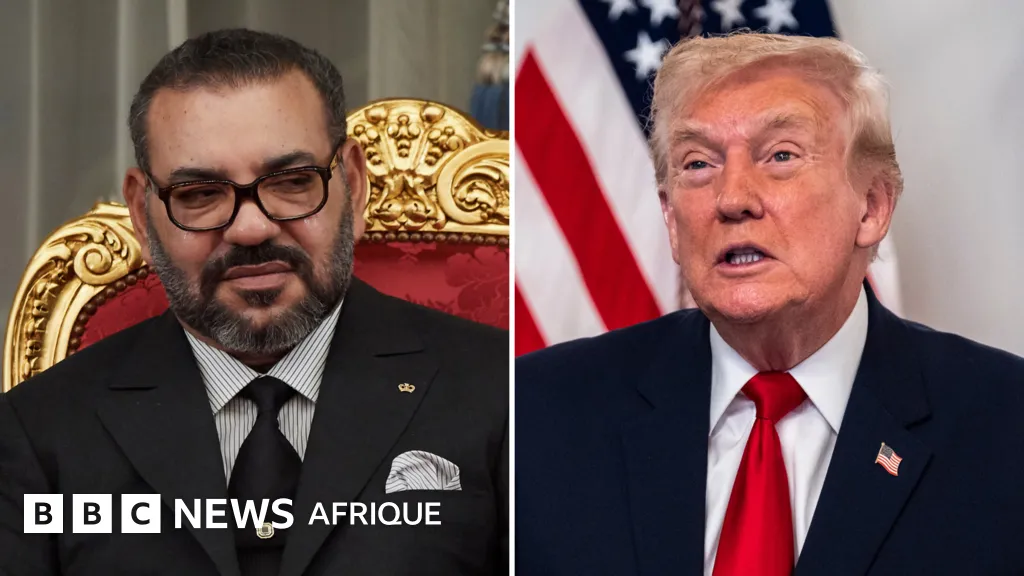
Fast forward to recent developments, the Moroccan King Mohammed VI's decision to rename a major highway in the Sahara after former President Donald J. Trump underscores the unique bond that has evolved, particularly regarding territorial disputes such as the contentious status of Western Sahara. This act of recognition is seen as a token of gratitude for Trump's support of Morocco's claim to the contested territory. In light of recent events, including a mass migration crisis involving over 70,000 individuals fleeing to the Spanish enclave of Ceuta, the implications of this longstanding alliance have become increasingly pertinent.
Impact on Current Migration Crises and Regional Stability
The recent migration crisis reflects not only the human plight but also the intricate geopolitical dynamics at play. The surge of migrants crossing into Ceuta has brought the spotlight on U.S.-Morocco relations, particularly as the American government reacted by emphasizing its strong ties with Morocco while criticizing Spain's immigration policies. Trump's characterization of the situation as a catastrophe akin to an invasion highlights the complexities of international diplomacy where the U.S. has chosen to overlook Morocco's role in facilitating this migration.
As the situation unfolds, the tension between the U.S., Morocco, and Spain is palpable. Spain, a key NATO ally, finds itself caught in a bind as it relies on Moroccan cooperation to manage its northern borders while simultaneously addressing the humanitarian implications of the migration crisis. The crisis has exposed the vulnerabilities within this triangle of alliances, with Spain's military relationship with the U.S. being tested alongside its diplomatic engagements with Morocco.
The broader implications of this alliance resonate beyond mere diplomacy; they encompass security cooperation, economic partnerships, and mutual interests in combating terrorism and transnational crime. The U.S. has recognized Morocco as a major non-NATO ally, enabling military collaboration that includes extensive training exercises and arms agreements. Despite Morocco's non-NATO status, its strategic location and historical ties have rendered it an indispensable partner for the U.S. in North Africa.
As reported by bbc.com.