
Historical Significance and Modern Diplomacy
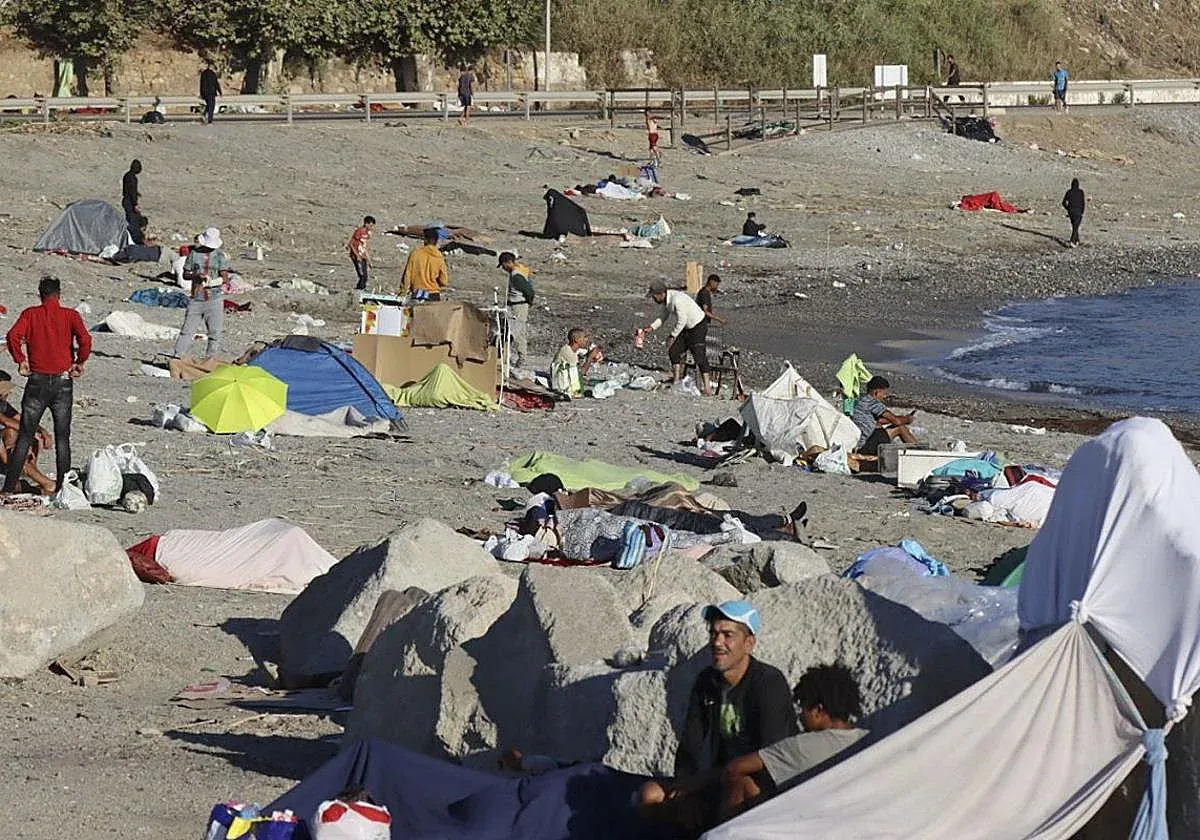
On the night of July 30 to 31, 2026, the Spanish enclave of Ceuta witnessed an unprecedented influx of over 40,000 migrants crossing its border. This event prompted immediate reactions from Pedro Sánchez, the Prime Minister of Spain, who termed it an "attack" and a "violation of the territorial integrity of Spain." Within hours, the Spanish narrative crystallized into a triad of themes: border, sovereignty, and the security of Europe. In contrast, Rabat chose not to engage in a tit-for-tat dialogue, opting instead for a more measured response that unfolded over time.
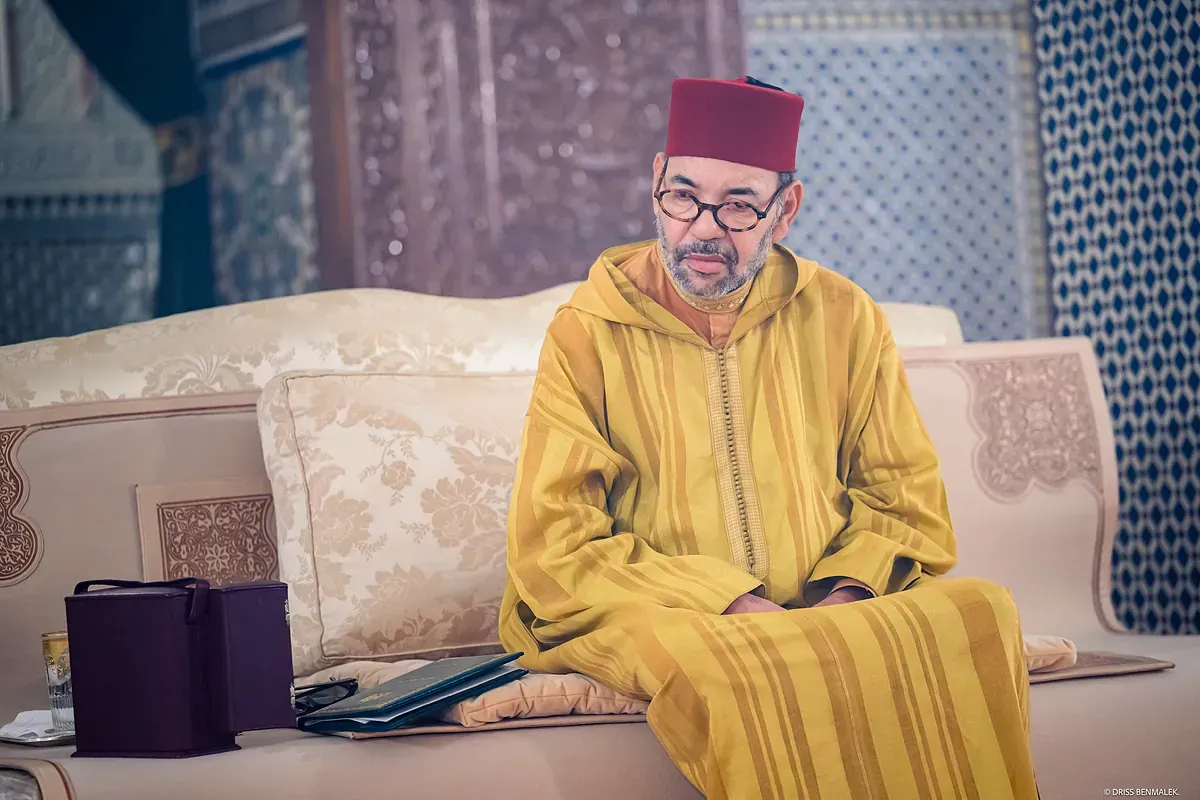
On August 24, 2026, during the religious observance of Mawlid Annabawi, presided over by King Mohammed VI, Ahmed Toufiq, the Minister of Habous and Islamic Affairs, dedicated part of his address to two notable scholars born in Ceuta, namely Cadi Ayyad and Abou Abbès Al-Azafi. He also mentioned the prayers of Imam Al-Jazouli for the liberation of the occupied cities along the Atlantic coast. Notably absent from his discourse was any direct reference to the July crisis, yet the context imbued his remarks with a particular resonance that could not be overlooked.
It would be unwise to attribute diplomatic intentions to Ahmed Toufiq that he did not explicitly express; however, it is essential to recognize that in politics, the context can lend special significance to words that, when taken in isolation, might not carry the same weight. While Madrid was quick to fuel an anti-Moroccan media campaign, Rabat appeared to allow events to unfold over a more extended timeline.
Memory as a Diplomatic Tool
Cadi Ayyad is not merely a footnote in the history of Ceuta; he was born in the city during the 11th century, where he studied and served as a judge. Reminding people of his existence centuries later does not change the current status of the enclave, nor does it alter borders or treaties. However, diplomacy is not solely played out in legal texts; it also unfolds in narratives, representations, and the ability to frame discourse. While Spain focuses on borders, Morocco evokes a rich historical narrative. Madrid's reasoning is rooted in present legalities, whereas Rabat calls upon a historical depth that predates the current political configuration of the Iberian Peninsula by several centuries.
The two narratives do not converge, and it is for this reason that it would be imprudent to transform a historical reference into a diplomatic doctrine. Memory, no matter how potent, cannot alone constitute a foreign policy. It can nourish a claim, maintain a historical continuity, and shape national representation; it may even pave the way for a doctrine. Yet, it cannot replace one. This presents a significant challenge for Rabat.
If the reference to Cadi Ayyad is merely a nod to heritage, it will remain just one symbol among many. Conversely, if it contributes to a broader reflection on Moroccan territories under Spanish administration, it then becomes a component of a larger political narrative. Madrid cannot afford to ignore this rhetoric, fully aware that the history of these territories intertwines with issues of sovereignty, ruptures, and competing memories. Moreover, Madrid recognizes that Rabat has never fundamentally abandoned the question of Ceuta and Melilla.
The use of scholars, manuscripts, and memory instead of an official declaration prompts one to wonder: why this approach? Perhaps because declarations respond to immediate events, while narratives endure over time. A crisis may fade from the headlines, but a historical figure remains resilient against the passage of time. Yet, memory does not reclaim a city or redraw a border; it merely serves as a reminder that a city possesses a history, a history ripe for retelling.
In Rabat, the pressing question now is whether this history should merely be recounted or whether it can serve as the prologue to a political claim.
As reported by maroc-hebdo.com.