
The Historical Context of Moroccan-Spanish Relations
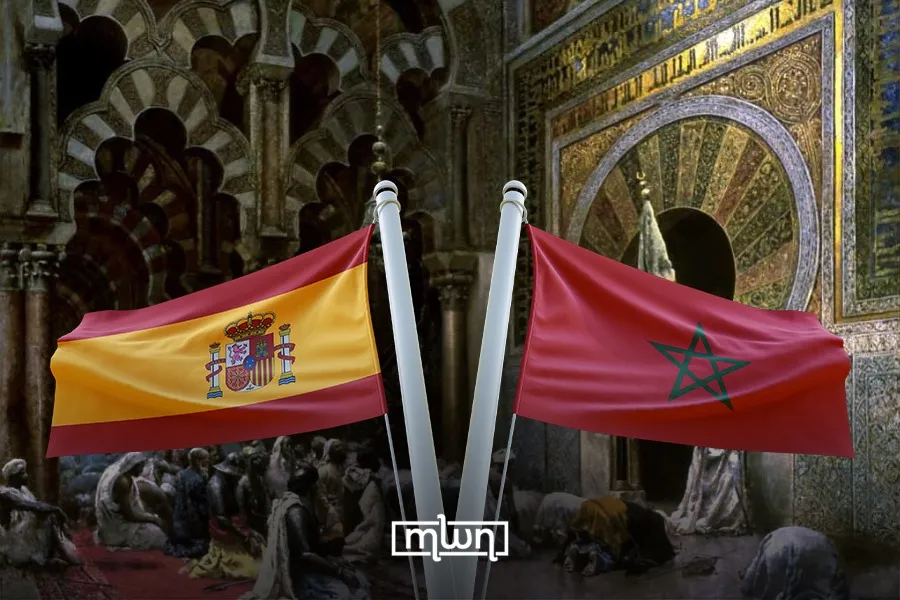
The complex relationship between Morocco and Spain has been shaped by centuries of historical interactions, particularly regarding the image and perceptions that Spaniards have formed about Moroccans throughout their shared history. Understanding the persistent mistrust that has characterized bilateral relations requires a deep dive into the historical backdrop, particularly focusing on the end of Muslim rule in the Iberian Peninsula. After the fall of Granada, Spanish identity began to take shape around the rejection of anything associated with Islam, leading to a process of cultural and historical 'purification' that sought to sever ties with the Arab-Muslim past. This endeavor not only targeted the last remnants of Islam in Spain, namely the Moriscos, but also extended to Moroccans, who, due to their geographical proximity, became the focal point of disdain and scorn.
The early architects of modern Spanish identity engaged in a vigorous campaign to denigrate Moroccan culture, religion, and societal structure. By portraying Moroccans as primitive and barbaric, they sought to reinforce a narrative that denied any positive contributions Muslims may have made to Spain’s historical development. This narrative was fueled by fear stemming from historical conflicts, including attacks by Moroccan corsairs, which left a lasting scar on the Spanish collective memory. Such traumatic events transformed Moroccans into symbols of fear and hostility, further complicating the relationship between the two nations.
Instrumentalization of Perceptions and Military Confrontations
The military confrontations between Spain and Morocco solidified a deeply ingrained negative perception of Moroccans within the Spanish psyche. Following the 1859 War of Tetouan, Spaniards increasingly characterized Moroccans as treacherous and savage, reinforcing these stereotypes throughout the colonial era. This image was strategically exploited by both proponents and opponents of military intervention in Morocco, with each group leveraging the supposed brutality of Moroccans to further their political agendas. The trauma of the Rif War in 1921, wherein thousands of Spanish soldiers lost their lives, intensified these negative perceptions, embedding a narrative of Moroccans as bloodthirsty primitives into Spanish society. Moreover, the participation of Moroccan troops in the Spanish Civil War exacerbated existing tensions, as they were unjustly blamed for suffering inflicted upon the Spanish populace while the roles of other foreign powers were downplayed. This led to a widespread resentment against Moroccans that has persisted throughout Spanish history, making any attempts at rehabilitating their image seem futile. The historical memory of violent confrontations and the ensuing vilification of Moroccans have created a legacy of antagonism that continues to influence contemporary perceptions.
Despite efforts by various regimes, including Franco's attempts to reshape the narrative surrounding Moroccans, the deeply entrenched stereotypes have proven resistant to change. The legacy of colonialism and the complex interplay of mutual perceptions between Spain and Morocco highlight that the historical relationship cannot be simplified to mere disputes but rather represents a tapestry of intertwined memories and experiences that continue to echo in today's socio-political landscape.
As reported by moroccoworldnews.com.