
Challenges Faced by Students in Agadir
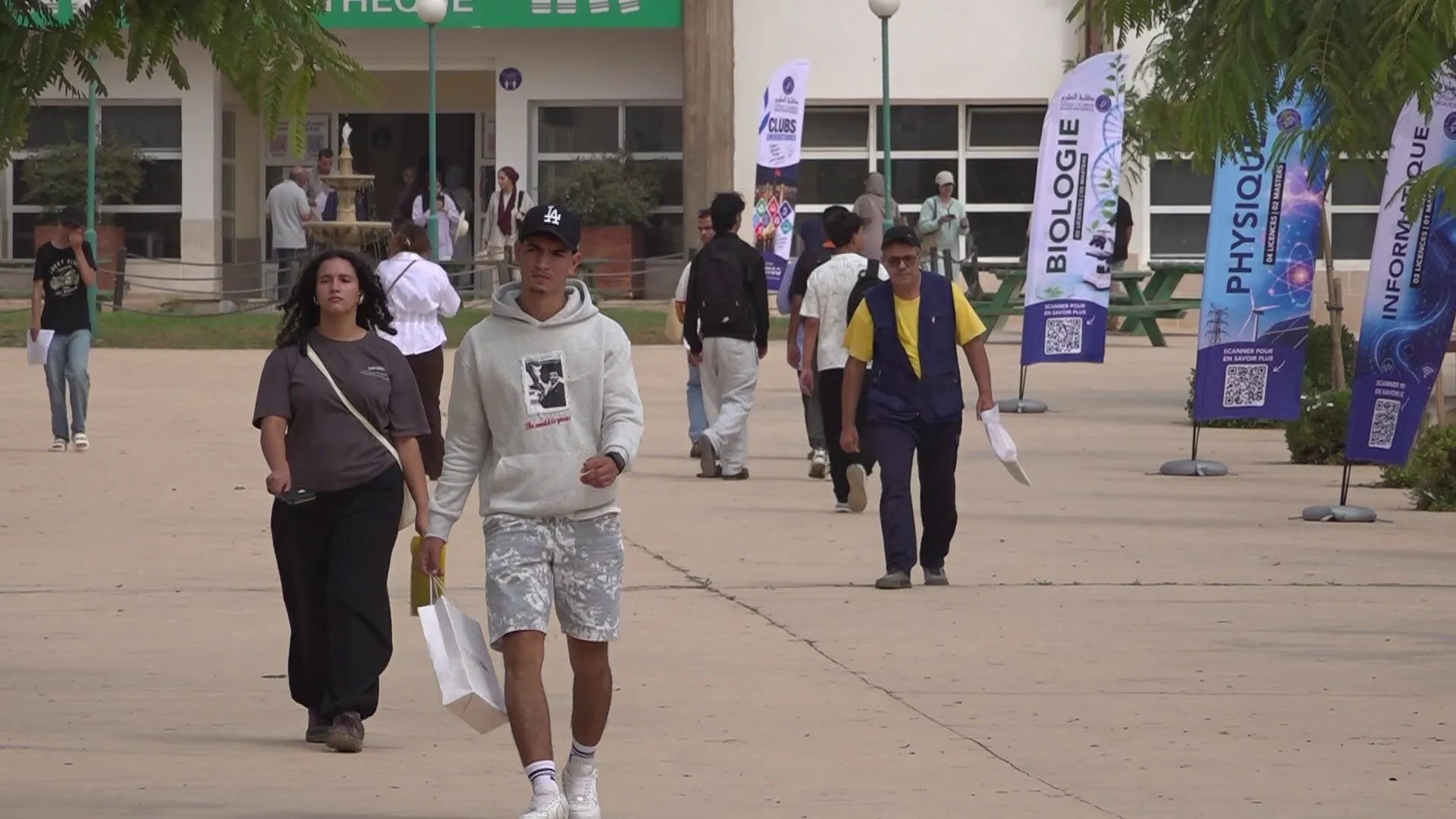
In Agadir, finding a monthly rental room at an affordable price poses a significant hurdle for many students eager to pursue their education at Ibn Zohr University. This dire situation forces some students to limit their presence on campus to only exam periods, while others choose to abandon their studies altogether. The call for intervention from relevant authorities has intensified, as families, who once hoped to see their children achieve their academic dreams, now face immense financial strain.
Mohamed Aouad, a student at Ibn Zohr University, expressed in a statement to Le360 that students arriving from various provinces within the Souss-Massa region and beyond quickly encounter exorbitant rental prices. In a three-bedroom apartment, the cost of a single room can range between 1,500 and 2,000 DH per month, making student life increasingly untenable. This financial burden compels some to search for more affordable housing options in distant neighborhoods, adding lengthy commutes to their academic challenges. Others resort to only attending exams, while some abandon their educational pursuits, opting instead to work on farms in Chtouka or in local businesses like restaurants and cafes in Agadir to make ends meet and support financially struggling families.
Consequences of Rising Rental Prices
Aouad warns that this ongoing crisis significantly contributes to university dropout rates, which in turn exacerbates unemployment and breeds social issues such as delinquency, homelessness, and theft. He attributes the problem to the outgoing government, which has failed to provide enough university housing facilities. Moreover, the concentration of various faculties in major cities necessitates that students from smaller towns and rural areas travel long distances to continue their education.
The student identifies several factors contributing to the spike in rental prices, including speculation and the influence of real estate brokers, who seem to operate without sufficient oversight from governing bodies. Additionally, the rise of short-term rental options, sometimes exceeding 500 DH per night, further restricts students' access to affordable monthly rentals. Aouad calls on the next government to take responsibility and implement effective solutions to a problem that recurs with each new academic year.
Abdelaziz Ouaâthmane, a new student at Ibn Zohr University who recently moved to Azrou Aït Melloul after obtaining his baccalaureate in Taliouine, shares a similar experience. He has encountered high prices for all his needs, with housing being the most pressing concern, and his search for a room has thus far proven fruitless. He notes that the number of students dropping out of higher education continues to rise, driven by increasing prices of essential goods and daily living expenses. Ouaâthmane emphasizes the harsh reality that students face, which robs them of educational opportunities and the ability to shape their futures as they envision.
Aziza Othmani, an activist in Agadir, describes the rental prices in neighborhoods like Salam, Jit Sakan, Dakhla, Tamdid, and Al Qods as "unreasonable." These exorbitant costs have forced her to drive her children to the university daily, despite living far from the institution. She questions the role of various stakeholders in addressing this alarming increase in rental prices, which has turned the prospect of completing a three-year degree into an elusive dream for many students.
According to Samir Akarzabi, a real estate broker in Agadir, the rise in rental prices can be attributed to several investors intentionally withholding their properties from the market. This results in high demand amidst a limited supply, leading to a troubling scenario where students, often accompanied by their parents, search in vain for suitable accommodations.
As reported by fr.le360.ma.