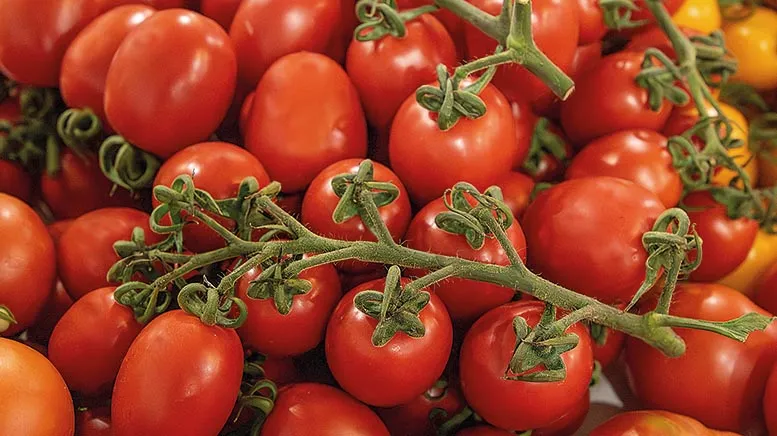

Decline in Spanish Tomato Production Amidst Increased Competition
In recent years, the Spanish tomato industry has faced alarming declines in production, particularly for fresh consumption. This downturn has coincided with a significant rise in tomato imports from Morocco, as outlined by Juan Jesús Lara, president of the Tomato Committee of FEPEX, in an opinion piece published on Demócrata.es. Historically, the production and marketing of tomatoes have been foundational to Spanish and European agriculture, especially in regions such as Almería, Granada, Murcia, Alicante, and the Canary Islands, where an intricate economic and social structure has flourished around this crop, providing hundreds of thousands of direct and indirect jobs. Once the leading supplier of tomatoes to the European market, Spain has witnessed a disconcerting 34% decrease in tomato exports to the EU over the past decade, while imports from Morocco have surged by an astonishing 149%.
As a result, Spain's influence in the community market has waned, with Morocco surpassing it as the top tomato supplier since 2022. Since the implementation of the agricultural protocol of the EU-Morocco Association Agreement in 2012, Moroccan tomato exports to the EU have risen by 52%, with community purchases increasing by 34% in the last ten years. This decline is not merely coincidental; it is taking place in a context where European farmers are held to increasingly rigorous labor, social, environmental, and phytosanitary standards, while products imported from third countries enter the European market without adhering to these essential regulations.
Repercussions of Recent EU Decisions on Imported Products
The situation has worsened following recent actions by the European Commission, which has undermined two pivotal rulings from the Court of Justice of the EU dated October 4, 2024. These rulings acknowledged Western Sahara as a distinct territory from Morocco, thereby excluding tomatoes produced there from the tariff advantages of the EU-Morocco Association Agreement. They mandated clear labeling of origin, measures that were favorably received by FEPEX as they protect community producers and ensure truthful information for consumers. However, in direct negotiations with Morocco, the Commission has allowed these products to benefit from tariff advantages and has altered labeling regulations, depriving consumers of transparency and violating fundamental principles of community law.
This issue extends beyond tomatoes, as it also threatens other vegetables, with Moroccan authorities aiming to expand irrigated land in Western Sahara by 13,000 hectares, which could lead to a production increase of over 1,000%. Consequently, FEPEX firmly believes that the European Parliament should not ratify the Association Agreement set for October. It is crucial for European institutions to establish a differentiated customs and control regime for products originating from Western Sahara, ensuring that EU trade policies do not inadvertently support a production model built on regulatory asymmetries incompatible with EU values and principles.
As reported by valenciafruits.com.