The New World Cup Format: A Double-Edged Sword
The newly revamped World Cup format, which has increased the number of participating teams from 32 to 48, aims to infuse the tournament with greater diversity and promote global development in soccer. However, the current assessment reveals that the 104 matches, while undoubtedly testing the patience of fans and players alike, do not guarantee a groundbreaking evolution in the sport. This year's tournament, hosted across North America, has extended over four weeks, with the final trophy presentation set for July 19 in New Jersey. This extended timeline is a direct result of FIFA President Gianni Infantino's push for an expanded tournament structure, a decision made in 2017 that has been met with skepticism regarding its actual benefits. Infantino proclaimed this move as a historic decision that would usher the World Cup into the 21st century, yet it has also been accompanied by unfulfilled promises that have raised concerns about its true impact.
Infantino once claimed that the length of the tournament, along with the player workload, would remain unchanged, yet the reality is that the tournament now stretches to 39 days and includes eight matches instead of the previous seven necessary to clinch the title. Nevertheless, nations such as Jordan, Curaçao, Uzbekistan, and Cape Verde have relished their debut on the World Cup stage, with their valiant efforts against powerhouses like Spain and Argentina contributing to the tournament's rich tapestry of stories.
Assessing the Outcomes: A Mixed Bag for Global Football
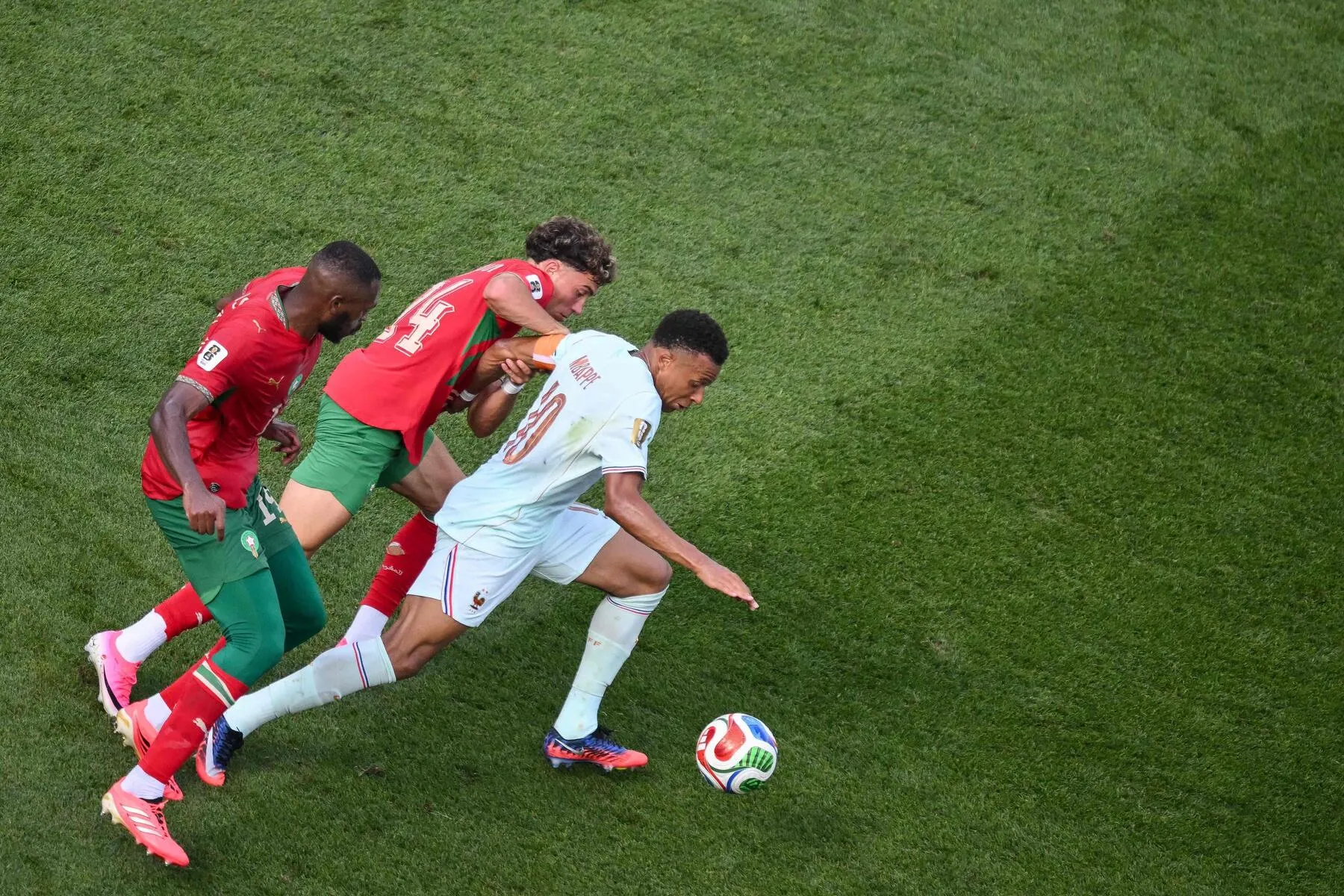
While Austria celebrated its qualification as a group winner in the UEFA zone under the old 32-team format for the first time in 28 years, it is crucial to critically analyze the implications of the expanded tournament. Although 104 matches have filled broadcasting slots and enriched FIFA’s coffers, they ultimately reflect the established power dynamics in global soccer. It became evident soon after the quarterfinals that the champions of this 23rd edition would once again emerge from either Europe or South America. The initial enthusiasm surrounding Africa's participation quickly waned after the group stage, with only Morocco and Egypt advancing past the first round, while four teams advanced merely as third-place finishers. This stark reality highlights the limitations faced by African nations in the tournament despite their early successes.
Statistically, Africa's representation in the Round of 16 remains better than expected, with two teams exceeding the average of 1.3 based on performance since the tournament expanded to 32 teams in 1998. However, North, Central America, and the Caribbean saw a remarkable achievement, with three representatives reaching the knockout stage for only the second time in history, aided by the home advantage enjoyed by the USA, Mexico, and Canada.
Europe, on the other hand, experienced a decline, sending only six teams to the Round of 16, marking a significant drop from its peak in 2018. South America performed slightly above expectations with four teams advancing. Meanwhile, Asia faced disappointment, failing to secure any representation in the knockout stage for the third time since 2006. The expansion of the tournament was also accompanied by Infantino's assertion that the increased number of qualifiers would enhance the quality of play as more nations invest in their football infrastructure. However, the effectiveness of such investments remains questionable without reliable management to ensure funds are directed appropriately.
In retrospect, this 48-team tournament may merely serve as a temporary phase in the World Cup's evolution. Infantino has openly expressed his ambition for a 64-team format, especially with the 2027 elections on the horizon and no opposition candidates in sight. With six nations potentially hosting the next tournament, the feasibility of such an expansion grows more tangible. Although fan reactions may be muted regarding the upcoming expansion, the complexities surrounding group stage progressions and predictable outcomes may dampen the excitement surrounding the tournament's matches. Ultimately, the current climate suggests a shift towards consuming football in smaller, more digestible segments, reflecting the evolving nature of sports consumption.
As reported by diepresse.com.