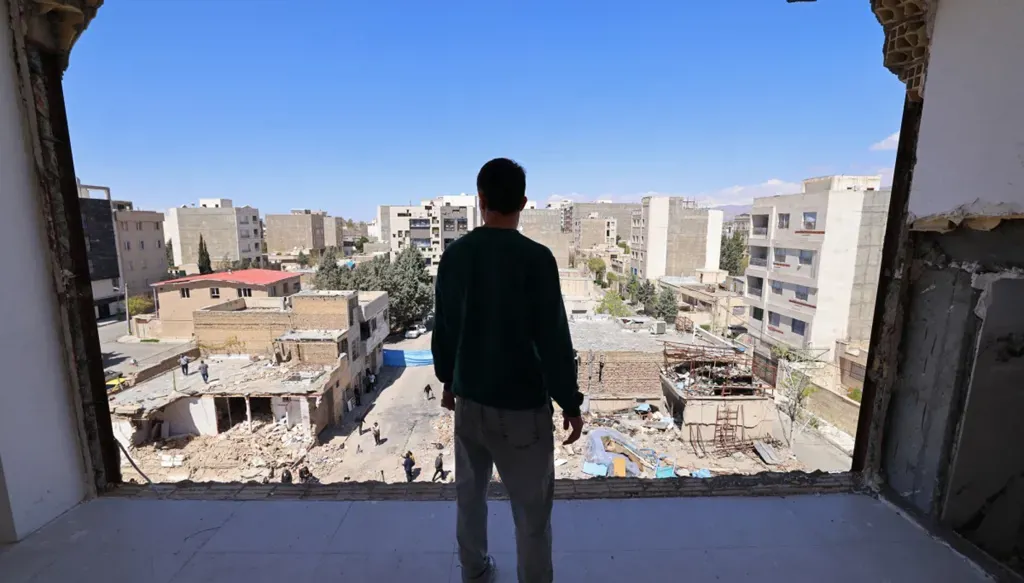

Understanding the Economic Ramifications of the Iranian War in the Maghreb
The Iranian conflict has far-reaching consequences extending well beyond its immediate geographical boundaries, particularly impacting the economic landscape of the Maghreb region. Tunisia, Algeria, and Morocco, while geographically distant from Iran, find themselves embroiled in a complex web of economic and political calculations that can either enhance their regional influence or exacerbate existing tensions. The interplay between regional stability and economic growth becomes a focal point for these countries as they navigate the uncertainties brought about by the ongoing conflict.
In recent years, the Iranian war has heightened geopolitical tensions, influencing energy prices and trade relations across North Africa. The Maghreb countries, heavily reliant on energy imports, are particularly vulnerable to fluctuations in oil prices, which are often manipulated by the geopolitical climate surrounding Iran. As these nations assess their economic strategies, they must consider the implications of their relationships with both Western powers and Iran, balancing partnerships that can bolster their economies against the risks posed by regional instability.
Moreover, the war has led to an increase in military expenditures in the Maghreb as countries seek to enhance their defense capabilities in response to potential threats. This diversion of resources from social and economic development to military spending poses significant challenges for governments aiming to promote growth and stability. The economic calculations of these countries must therefore account for both the immediate costs of military engagement and the long-term impacts on their economic health and societal wellbeing.
Strategic Partnerships and Economic Opportunities
Amidst these challenges, the Maghreb nations are also presented with unique opportunities for strategic partnerships. Countries like Morocco and Algeria are exploring new avenues for investment and trade, particularly with emerging economies that may not be as influenced by the Iranian conflict. Collaborations with countries in Asia and Africa could provide alternative markets for their goods and services, creating a buffer against the volatility of traditional trade routes.
Furthermore, the potential for increased tourism and cultural exchange can serve as a catalyst for economic revitalization in the region. As the world becomes more interconnected, the Maghreb can leverage its rich cultural heritage to attract international visitors, thereby stimulating local economies. However, to capitalize on these opportunities, governments must ensure political stability and a favorable business environment, which are often threatened by the ripple effects of distant conflicts.
In conclusion, the Iranian war has significantly impacted the economic calculations of the Maghreb region, compelling countries to reassess their priorities in the face of external pressures and internal challenges. By navigating these complexities with foresight and strategic planning, the Maghreb nations can potentially transform adversity into opportunity, fostering regional cooperation and sustainable growth in an increasingly uncertain world.
As reported by annahar.com.